From the conversion glossary
Concepts referenced in this article, defined.
SEO can be a powerful tool for SaaS companies to reach their target audience and traffic.
Concepts referenced in this article, defined.
Run rigorous A/B tests and personalize every visit on Shopify or any storefront — no engineers required.
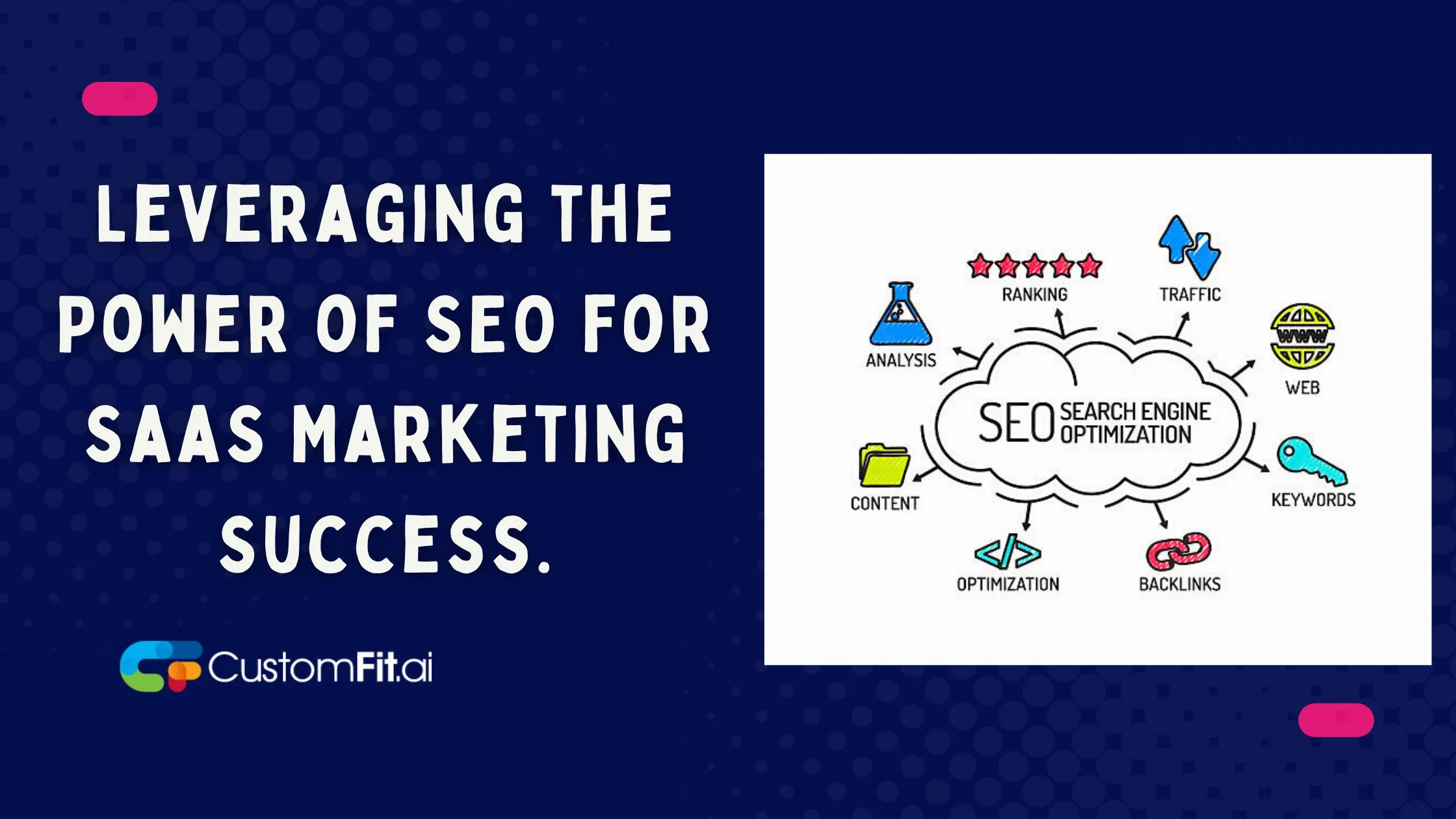
Search engine optimization (SEO) is an important part of any digital marketing strategy. It is the process of improving the visibility of a website or web page in a search engine's natural or "organic" search results. SEO matters especially for SaaS companies competing against larger players with bigger budgets. Done well, it helps SaaS businesses reach their target audience and drive consistent traffic without relying entirely on paid acquisition. That said, SEO takes time and ongoing effort. The goal here is to walk through practical tips SaaS companies can use to make SEO work for them.
Content optimization is one of the most important aspects of SEO. This means creating content that is keyword-rich and relevant to your target audience. Using keywords that match your product or service helps search engines understand what the page is about, which improves your chances of appearing in the SERPs for related queries. Beyond keywords, the content itself needs to be genuinely useful. Visitors who find answers stay longer, and search engines treat that engagement as a signal of quality.
Technical optimization covers the website's structure and code so search engines can crawl and index it efficiently. This includes URL structure, page loading speed, and meta tags. The site also needs to be mobile-friendly and free of broken links or server errors. These are table-stakes requirements: getting them wrong can suppress rankings even when the content is strong.
Links from other websites increase a page's authority in the eyes of search engines. Building those links takes real effort: publishing content other sites want to reference, contributing to industry publications, and forming relationships with complementary businesses where linking makes sense for both sides. Quality matters more than volume here.
For SaaS companies targeting a specific geographic market, local SEO is worth prioritizing. It involves optimizing for location-specific keywords, creating content relevant to that market, and getting listed in local directories. A verified Google Business Profile is the starting point.
Without measurement, it is impossible to know what is working. Setting up Google Analytics (or a comparable tool) lets you track visits, user behavior, and conversions. Reviewing that data regularly helps you spot what to fix and where to double down.
Keyword research is the process of finding the terms potential customers actually use when searching for products or services like yours. Once you know which keywords are both relevant and realistic to rank for, you can focus your content and on-page optimization on those terms rather than guessing.
Meta tags are HTML elements that pass information about your page to search engines. A well-written title tag and meta description help search engines categorize the page correctly and can improve click-through rates from the search results page.
Submitting to reputable directories increases the chances that your site appears in relevant searches and gets discovered by the right audience. It is a straightforward step that contributes to broader visibility.
Schema markup gives search engines structured data about your content, making it easier to display rich results. Adding it to key pages, such as pricing, reviews, or FAQ sections, can improve how your listings appear in the SERPs.
Sharing content on social media extends its reach beyond organic search alone. It puts your material in front of potential customers who may not have found you through a Google query, and it creates opportunities to answer questions and build familiarity with your product.
For SaaS companies, SEO helps build visibility, establish credibility, and bring in qualified traffic that converts better than most paid channels over time. Understanding the fundamentals, producing content that fits your audience, and maintaining the technical health of your site are the three pillars that underpin most successful SaaS SEO programs.
SEO is a long-term investment, not a quick fix. For SaaS companies, the payoff is consistent organic traffic and a lower cost per acquisition compared to paid ads. By covering the basics (content, technical health, link building, local search where relevant, and ongoing measurement) and sticking with it, a SaaS company can build a durable organic presence that supports growth well beyond any single campaign.