From the conversion glossary
Concepts referenced in this article, defined.
Looking for a Shopify-friendly Kameleoon alternative? See why ecommerce brands choose CustomFit.ai for faster A/B testing and CRO.
Concepts referenced in this article, defined.
Run rigorous A/B tests and personalize every visit on Shopify or any storefront — no engineers required.
Most ecommerce and D2C teams reach the same moment eventually.
You have traffic coming in from paid ads, search, affiliates, and email. You know there is room to improve conversion rate, but every change feels risky. You want to test, and you do not want to slow down development, hurt site performance, or break what already works.
That is usually the point where teams start evaluating A/B testing and conversion rate optimization platforms more seriously.
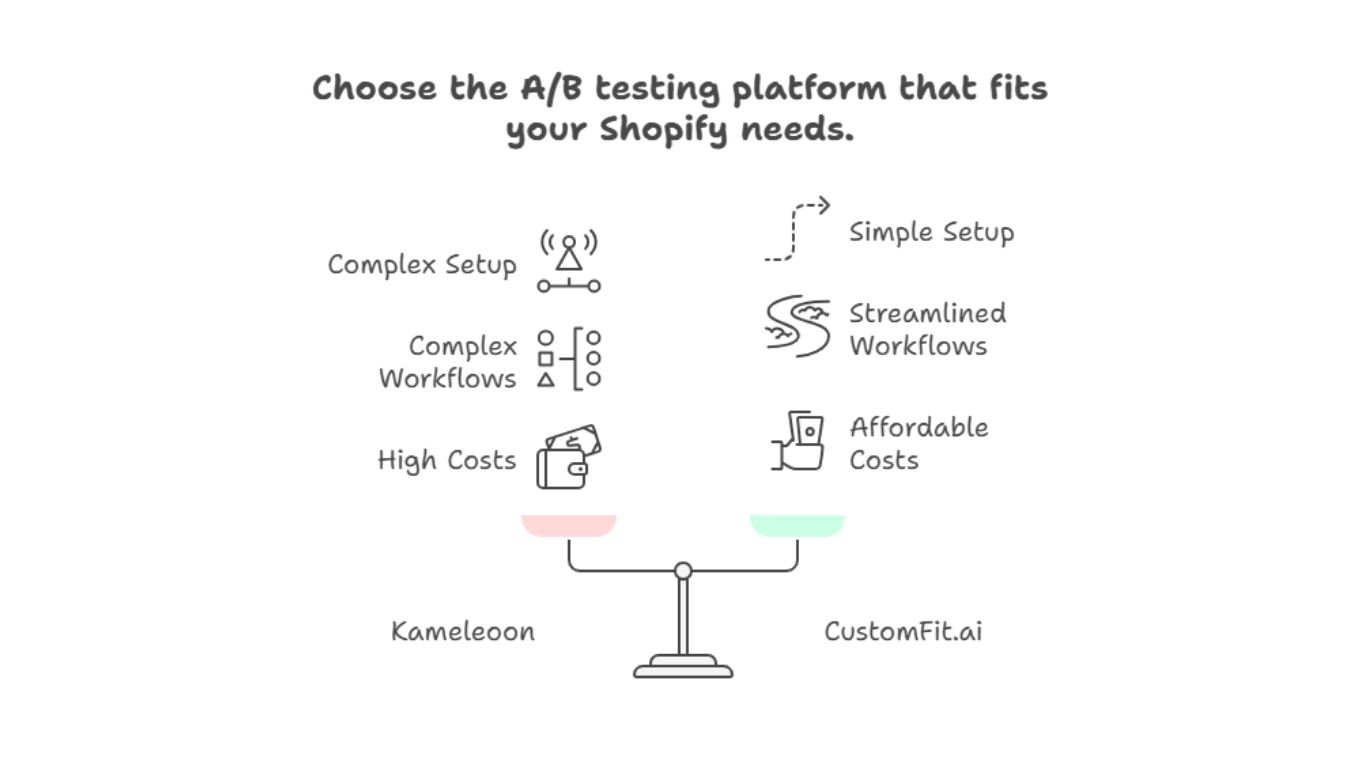
Kameleoon is one of the well known names in experimentation and personalization. It is capable, feature rich, and built with enterprise use cases in mind. For many Shopify brands, though, that power can feel heavy. Setup takes time, workflows feel complex, and the cost can be hard to justify when the core need is simple.
So how do you test faster, learn quicker, and improve conversion rate without turning experimentation into a large engineering project?
This is where teams begin looking for a Kameleoon alternative that fits how modern Shopify brands actually operate.
In this guide, we will walk through what Shopify teams really need from an A/B testing platform, why many brands look beyond Kameleoon, and why CustomFit.ai has become a strong alternative for Shopify A/B testing and CRO. This is not a feature checklist or a product pitch. It is a practical look at fit, workflows, and outcomes.
If you are comparing A/B testing software, evaluating an A/B testing tool for Shopify, or trying to decide how to scale experimentation without adding friction, this article is for you.
Kameleoon is built for large, complex organizations. That is both its strength and its limitation.
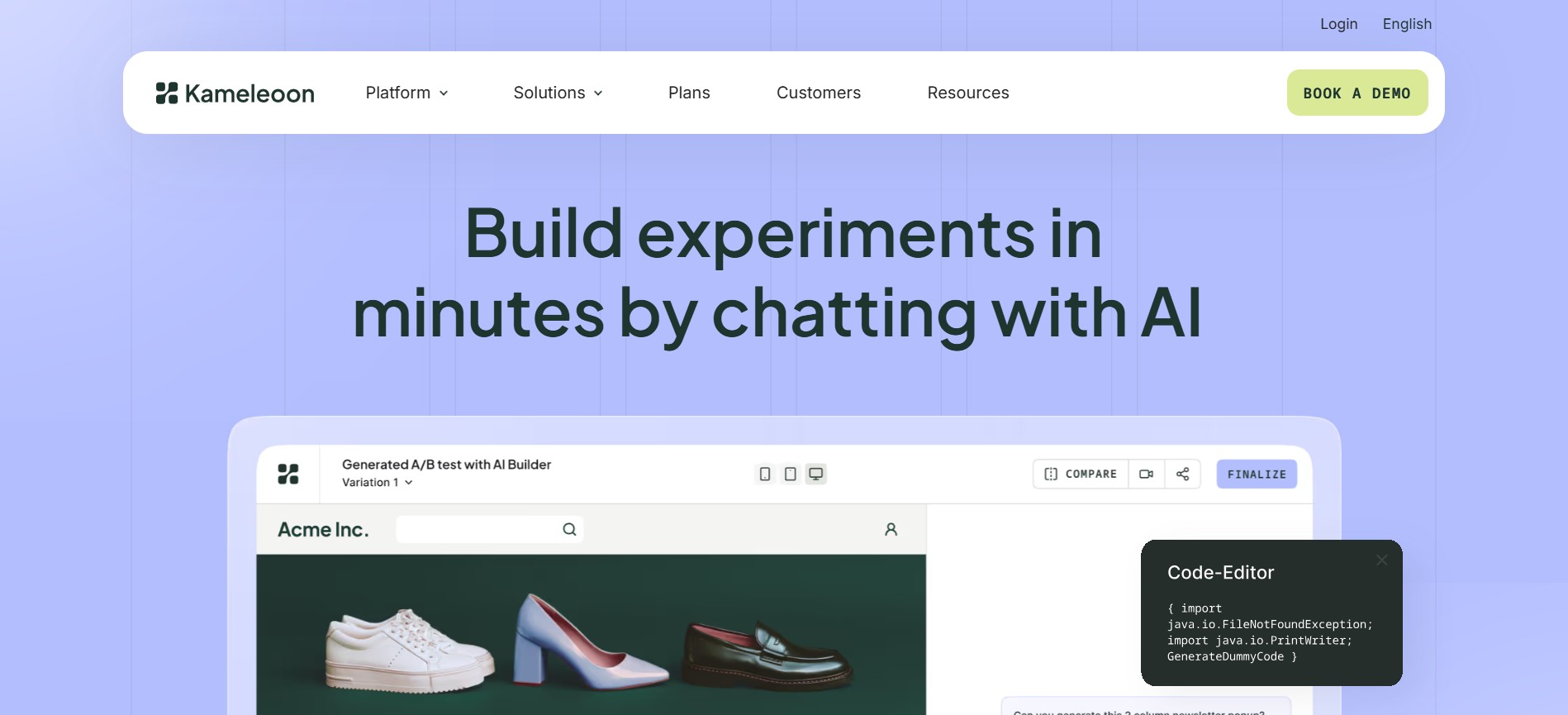
For enterprises with dedicated experimentation teams, long planning cycles, and heavy backend integration, Kameleoon can make sense. Many Shopify and D2C brands operate very differently, though. They move fast, they test often, they run lean teams, and they rely on marketing and growth teams to drive experimentation.
When these teams adopt enterprise experimentation tools, a few problems appear quickly. Setup feels heavy and slow. Simple tests need technical involvement. Costs scale faster than value, and iteration speed drops.
As a result, experimentation becomes occasional instead of continuous. CRO turns into a project instead of a system.
Shopify brands searching for a Kameleoon alternative are not looking for fewer capabilities. They want better alignment with how they work.
Before comparing tools, it helps to clarify what matters most for Shopify brands.
Most teams want to answer practical questions. Can we test without developer bottlenecks? Can marketers launch experiments safely? Will this affect site speed or paid ads? Can we personalize experiences by audience? Do results clearly tie back to revenue?
An effective A/B testing platform for Shopify has to support frequent testing without adding risk or overhead.
This is where many traditional platforms struggle.
Enterprise experimentation platforms often assume dedicated engineering support, long test cycles, complex data pipelines, and advanced statistical teams.
Ecommerce experimentation is different.
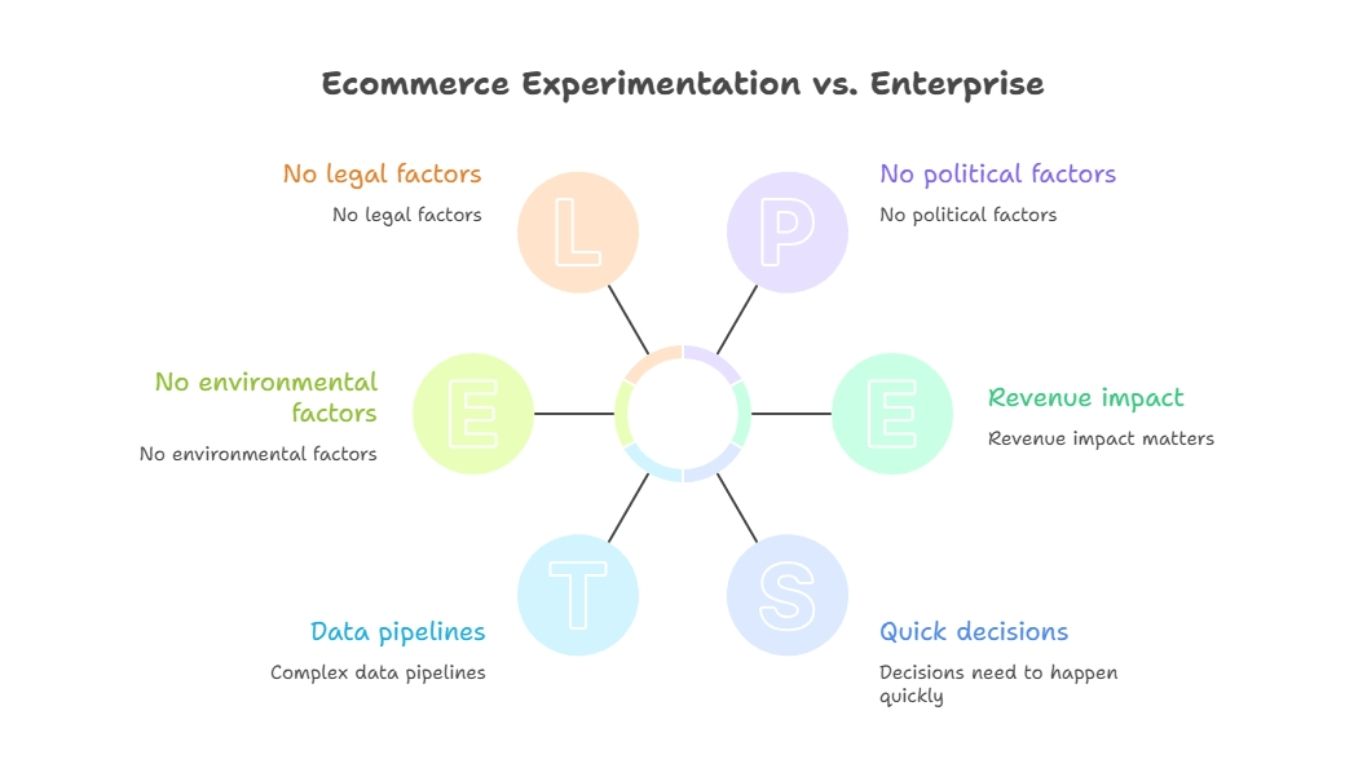
Tests are smaller and more frequent. Decisions need to happen quickly. Results have to be obvious and actionable, and revenue impact matters more than statistical theory.
For Shopify and D2C brands, the goal is not experimentation for its own sake. The goal is to increase conversion rate, improve checkout completion, and make better use of existing traffic.
A Kameleoon alternative has to be designed around these realities.
CustomFit.ai positions itself as a conversion rate optimization company and an A/B testing platform built specifically for ecommerce.
Instead of adapting an enterprise tool to Shopify, it starts with Shopify workflows and builds outward.
That difference shows up in a few important ways: visual test creation without heavy setup, Shopify friendly integration and structure, safe experimentation on live stores, and a clear focus on conversion rate and revenue.
For Shopify brands, this alignment reduces friction and increases adoption.
CustomFit enables A/B testing and personalised optimisation.
One of the most common reasons A/B testing fails is not tooling. It is process.
Marketing teams want to test ideas quickly. Engineering teams are busy with product work. When every experiment needs code changes or approvals, testing slows to a crawl.
CustomFit.ai removes much of this friction by enabling visual A/B testing. Marketers can create and launch tests on live Shopify pages without waiting weeks for development.
This changes experimentation from something teams talk about into something they actually do.
Many teams approach A/B testing with one goal: find a winner.
But CRO is not only about winning individual tests. It is about building understanding. Why did this version perform better? What does that tell us about user intent? How can we apply the insight elsewhere?
CustomFit.ai supports this learning-focused approach by making it easy to run, measure, and iterate on experiments continuously.
That mindset shift is often what Shopify teams are missing when they use heavier tools like Kameleoon.
On paper, enterprise platforms often look more capable.
But power without usability rarely delivers results.
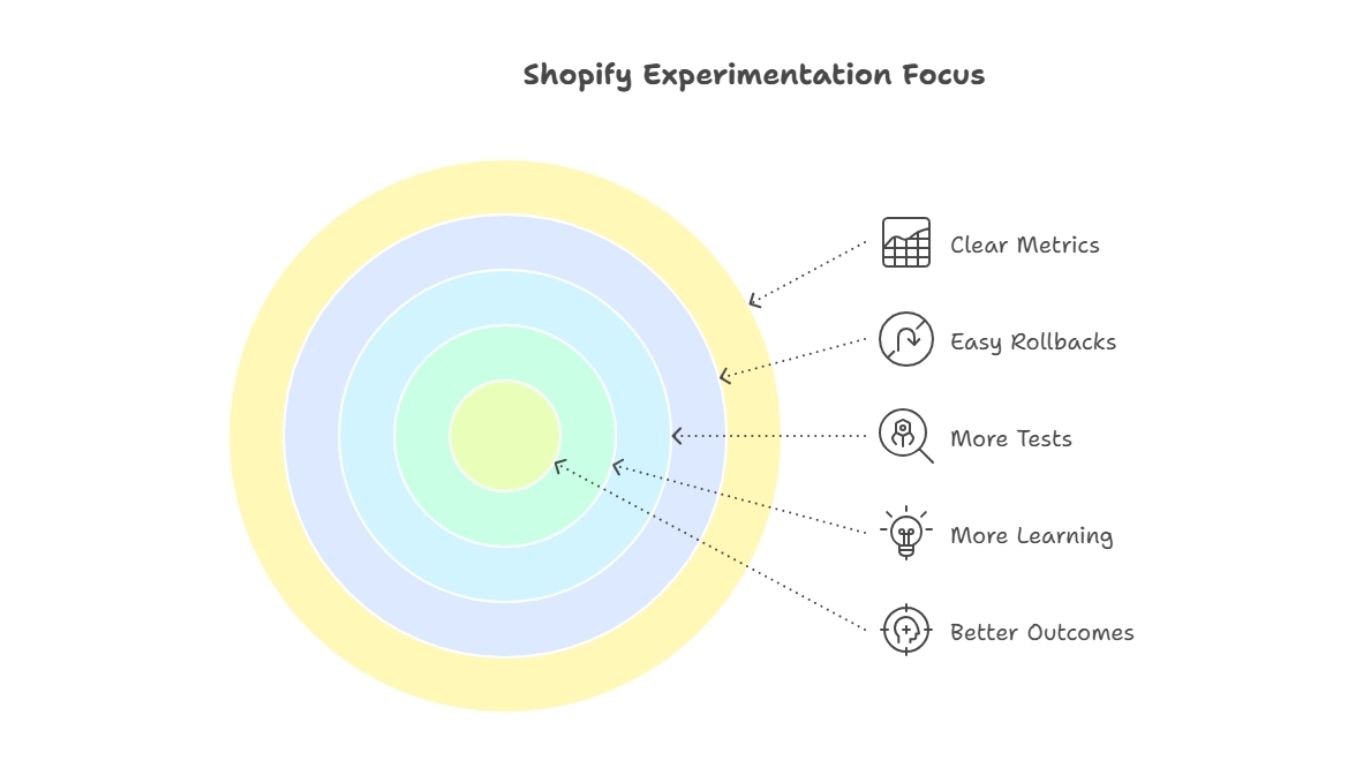
Shopify brands benefit more from fast test setup, simple targeting, clear metrics, and easy rollbacks.
CustomFit.ai focuses on these fundamentals rather than overwhelming teams with complexity.
The result is more tests, more learning, and better outcomes.
Personalization is often bundled with experimentation platforms, but many teams never use it.
Why? Because personalization setups are complex and hard to maintain.
For ecommerce, personalization does not need to be complicated. Show different messaging to new visitors. Highlight bundles for repeat customers. Adjust content by traffic source. Personalize based on browsing behavior.
CustomFit.ai lets teams layer personalization on top of A/B testing in a way that feels natural.
Instead of building complex rules, teams can test personalized experiences and scale what works.
One of the biggest concerns Shopify brands have when testing is paid ads. Will this hurt conversion signals? Will costs increase? Will learning phases reset?
These concerns are valid when tests are uncontrolled.
CustomFit.ai supports safer testing by allowing gradual traffic allocation. Teams can start experiments on a small percentage of traffic and scale only when results are stable.
That reduces risk and builds confidence, especially for brands heavily reliant on paid acquisition.
Shopify provides the foundation. CRO makes it perform better.
Most Shopify stores struggle with similar issues: unclear value propositions, overloaded product pages, hidden trust signals, and confusing checkout flows.
A/B testing lets teams address these issues systematically.
CustomFit.ai integrates cleanly with Shopify, so teams can test these elements without rebuilding themes or touching core checkout logic.
That makes CRO accessible instead of intimidating.
This is not about which tool is better in absolute terms. It is about fit.
Kameleoon works well for enterprise environments with dedicated experimentation infrastructure.
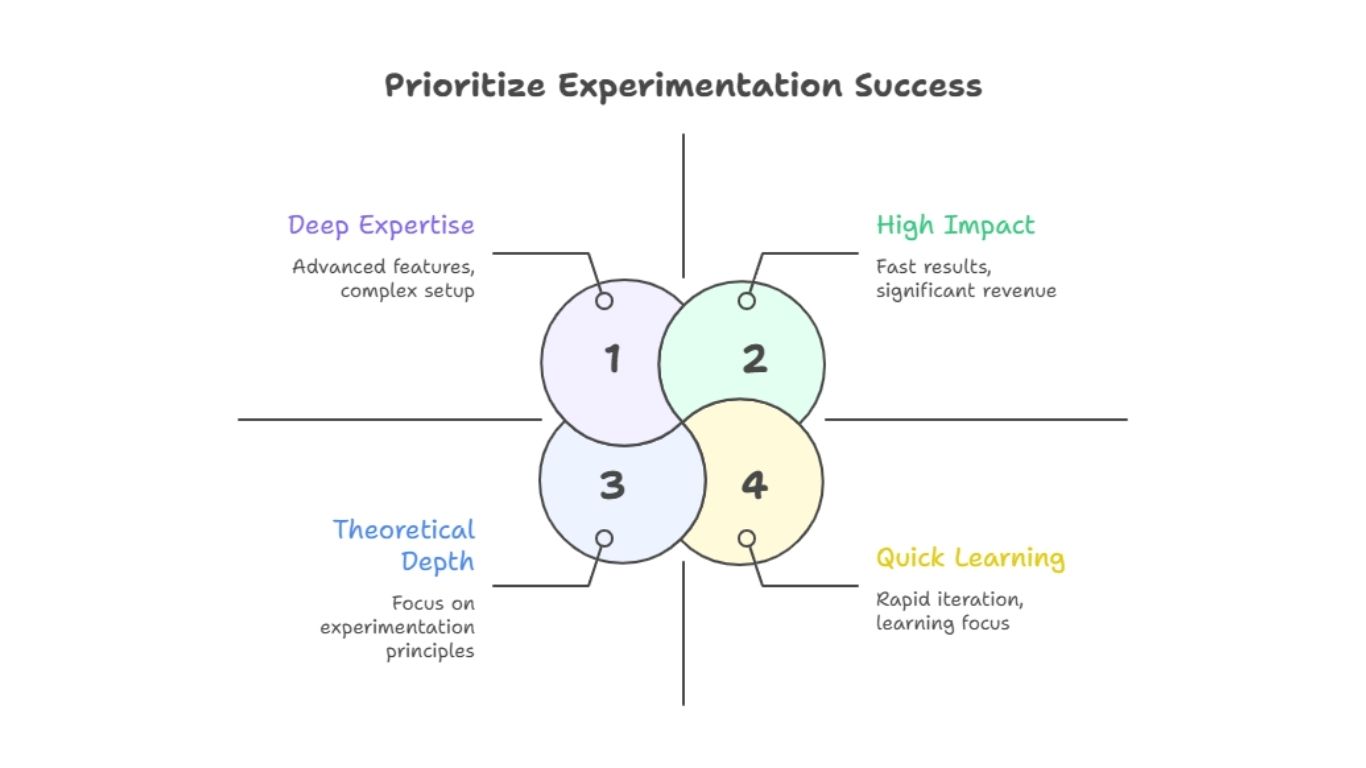
CustomFit.ai works well for Shopify and D2C brands that want speed, clarity, and control.
Teams choosing a Kameleoon alternative are often prioritizing ease of use over feature depth, speed over complexity, and revenue impact over experimentation theory.
CustomFit.ai aligns closely with those priorities.
CRO tools should ultimately drive outcomes that matter: increase conversion rate, improve revenue per visitor, reduce cart abandonment, and increase checkout completion.
CustomFit.ai emphasizes these metrics instead of vanity data.
That focus helps teams justify experimentation efforts internally and align CRO with business goals.
The biggest advantage of choosing the right A/B testing tool is not the tool itself. It is the culture it enables.
When testing is easy and safe, teams test more often, learning accelerates, decisions become data driven, and growth becomes more predictable.
CustomFit.ai supports this culture by removing friction at every step of the experimentation process.
CustomFit.ai is a strong fit for Shopify brands scaling paid ads, D2C brands focused on conversion improvement, marketing teams that want autonomy, founders who want clarity rather than complexity, and teams tired of slow experimentation cycles.
It is especially relevant for brands that want to move fast without sacrificing stability.
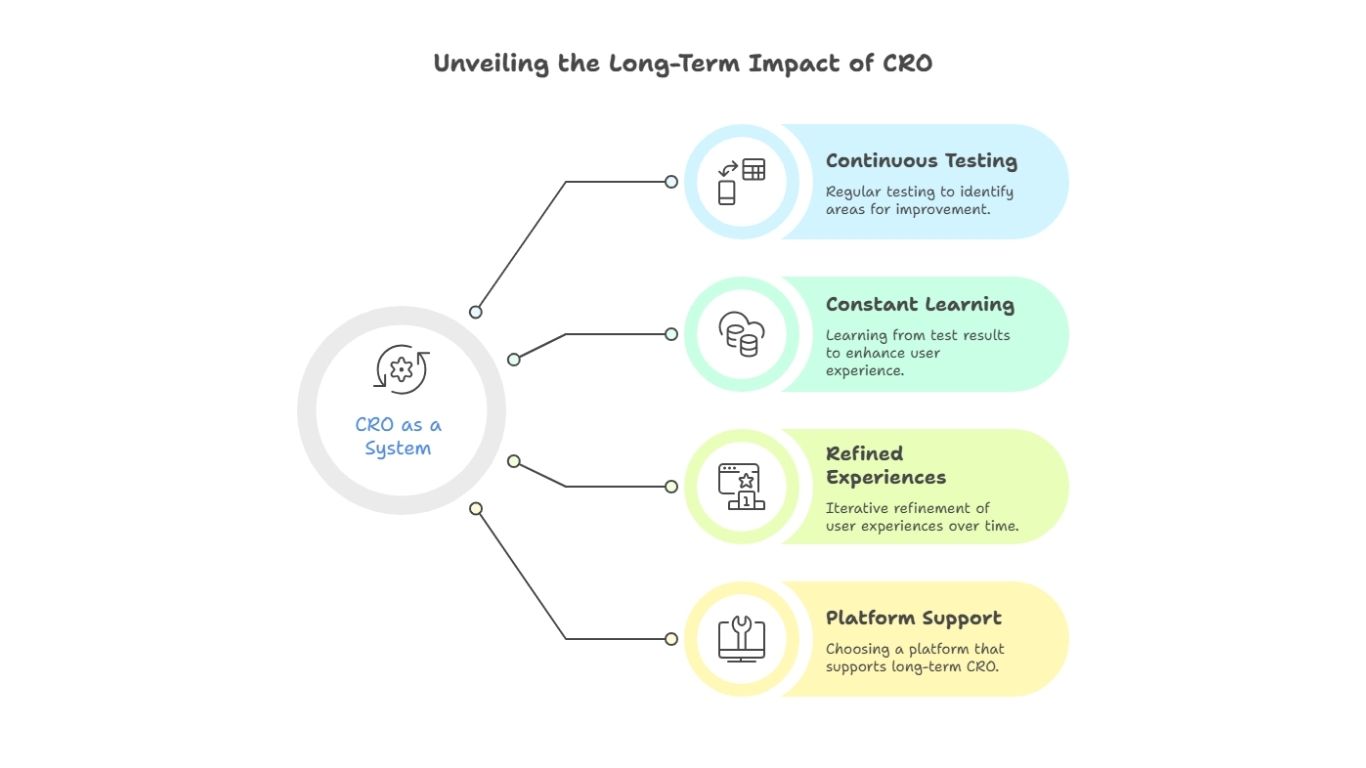
Many brands treat CRO as a project: redesign the site, run a few tests, move on.
The most successful brands treat CRO as a system. They test continuously, learn constantly, and refine experiences over time.
Choosing an A/B testing platform that supports this long term approach is critical.
CustomFit.ai is designed around that philosophy.
Choosing an A/B testing platform is not about the features on a pricing page.
It is about how well the tool fits your team, your workflow, and your growth stage.
For Shopify brands and D2C teams, the ideal Kameleoon alternative is one that enables frequent testing, minimizes risk, and keeps the focus on conversion rate and revenue.
CustomFit.ai fits this role by offering a Shopify friendly A/B testing and CRO platform built for speed, clarity, and outcomes.
In a competitive ecommerce market, the ability to learn faster than competitors is the real advantage.
For many Shopify and D2C brands, CustomFit.ai is a strong Kameleoon alternative because it offers faster setup, visual testing, and ecommerce focused CRO capabilities.
Shopify brands often find enterprise tools like Kameleoon complex, expensive, and slower to iterate. They prefer tools aligned with ecommerce workflows.
CustomFit.ai lets teams run A/B tests, personalize experiences, and optimize key pages to improve conversion rate and revenue.
Yes. CustomFit.ai allows controlled traffic allocation and safe testing, which helps protect paid ads performance.
Most tests can be created visually, so marketers can experiment without heavy engineering involvement.
It focuses on ecommerce use cases, prioritizing ease of use, speed, and revenue impact over enterprise complexity.
Yes. CustomFit.ai integrates with Shopify and supports testing across product pages, collections, carts, and landing pages.