From the conversion glossary
Concepts referenced in this article, defined.
Master landing page optimization with AI-driven personalization and AB testing. Discover how CustomFit.ai helps D2C brands improve conversions by personalizing landing pages based on user intent. Learn practical strategies for optimizing your landing
Concepts referenced in this article, defined.
Run rigorous A/B tests and personalize every visit on Shopify or any storefront — no engineers required.
When you land on a webpage that seems to understand exactly what you need, you don't spend much time thinking about why. You stay longer, scroll further, and maybe even click "Buy Now." Behind that experience is a combination of landing page optimization, personalization, and AB testing working together.
Getting someone to visit your website is only part of the job. The harder part is getting them to convert.
That's where personalization comes in. Not the superficial kind (like showing your first name) but intent-driven personalization that adapts content, layout, and messaging based on who the visitor is, where they came from, and what they are likely looking for.
AI-driven personalization, paired with structured AB testing, can help you build high-converting landing pages. CustomFit.ai is one way to make that process more manageable.
Your landing page is often the first and sometimes only impression a visitor gets of your brand. It has a few seconds to:
Too often, brands treat landing pages like static brochures. A better mental model: a good landing page behaves like a skilled salesperson who adjusts the pitch based on who's listening.
Landing page optimization is about removing friction, making content feel relevant, and guiding the visitor toward the next step without overwhelming them.
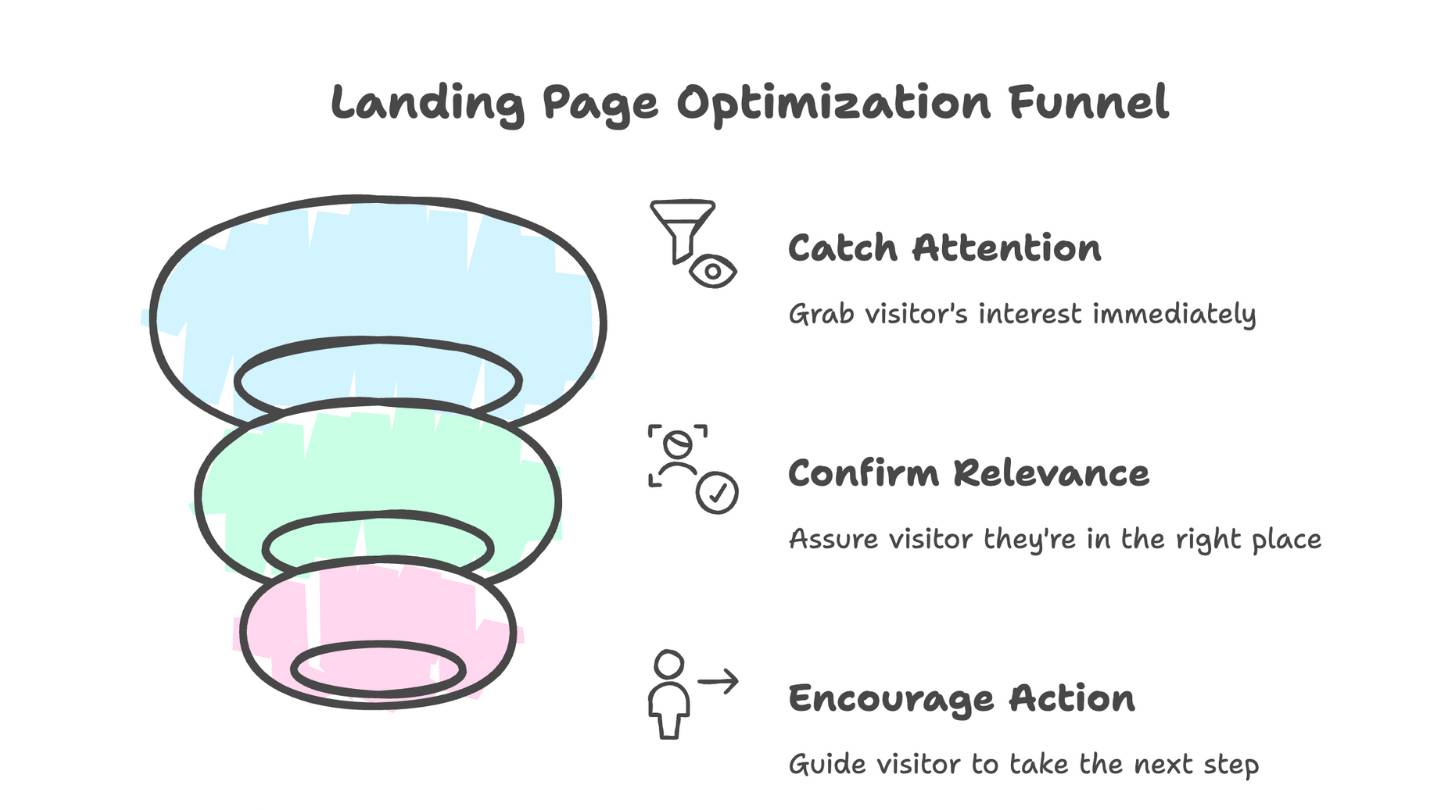
There is no single recipe, but most high-performing landing pages share these traits:
Even when you check all these boxes, performance can still lag. That is where personalization and testing come in.
Think about the last time you searched for something like "best shoes for flat feet" and landed on a generic homepage with hundreds of shoe types. You probably left quickly.
Now imagine the same search taking you to a page that said:
"Discover Supportive Shoes Designed for Flat Feet, Loved by 10,000+ Customers Like You."
That's personalization. It matches intent.
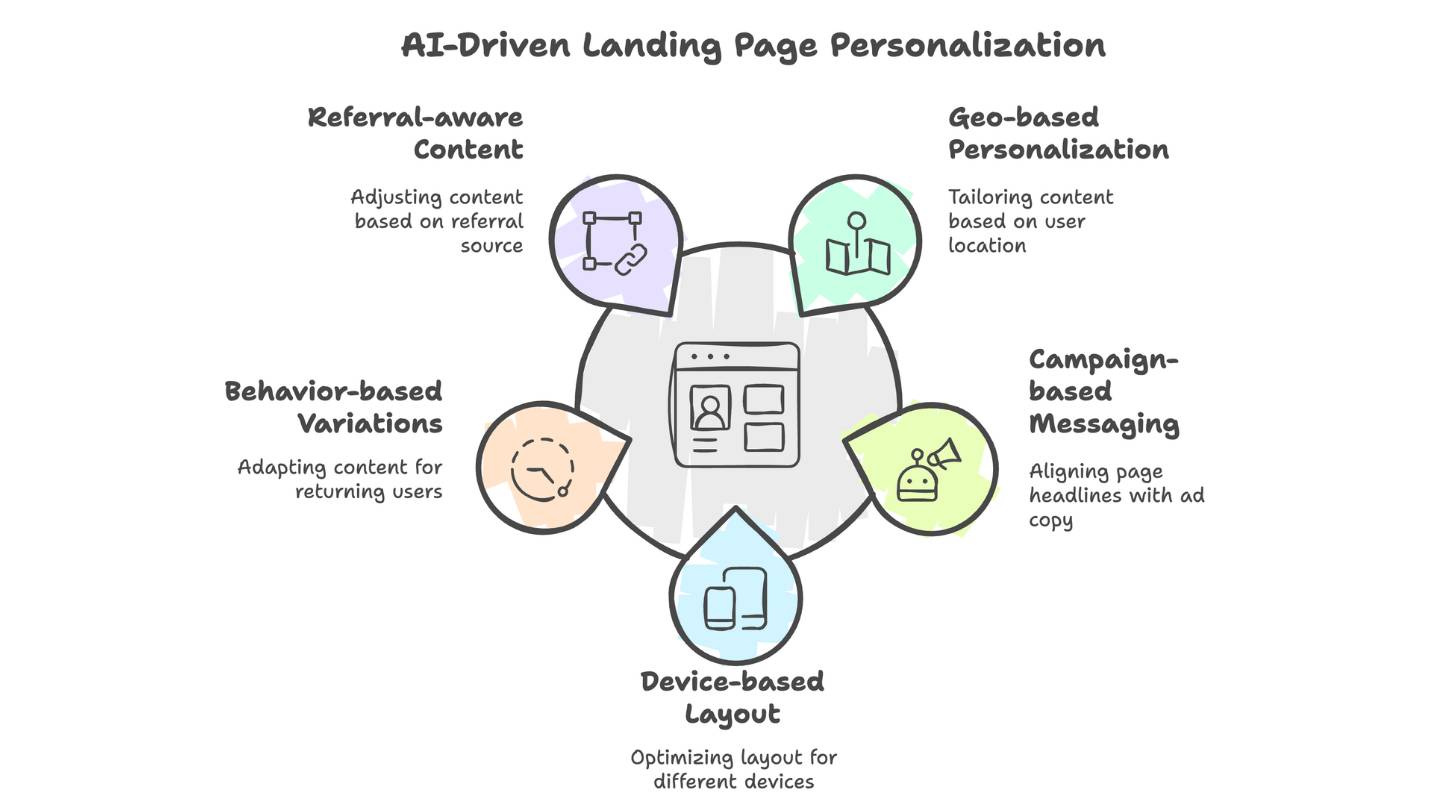
CustomFit.ai lets you make these kinds of adjustments without overhauling your entire site or involving a dev team. You can adapt what visitors see on your landing pages based on who they are, where they came from, which ad they clicked, or what device they're using.
Here are practical approaches you can implement using CustomFit.ai:
This kind of intent-matching keeps visitors engaged because it reduces cognitive friction. They don't have to work hard to figure out whether your product fits them; the page communicates that it does.
Personalization only works when you know what resonates. That's what AB testing is for.
By testing two versions of a page (or specific elements like CTAs, headlines, or layouts), you gradually learn what works for your audience. With CustomFit.ai, this doesn't require manually managing code or switching between clunky interfaces. You set up experiments, define goals (button clicks, form submissions, scroll depth), and let the data guide decisions. You're running controlled experiments rather than acting on opinions.
These changes may seem minor, but they can produce meaningful shifts in user behavior, especially when combined with personalization.
If you've just signed up for CustomFit.ai, here's how you can start optimizing your landing pages right away:
Define precise segments using conditions like:
Show unique messages or CTAs to each group.
These tools make your landing page feel dynamic and relevant without adding tech debt or slowing things down.
Here are a few example use cases common for D2C brands:
They visit your page but never buy. With CustomFit, you could:
They clicked your reel, but the landing page doesn't feel connected.
People add to the cart but leave. Try this:
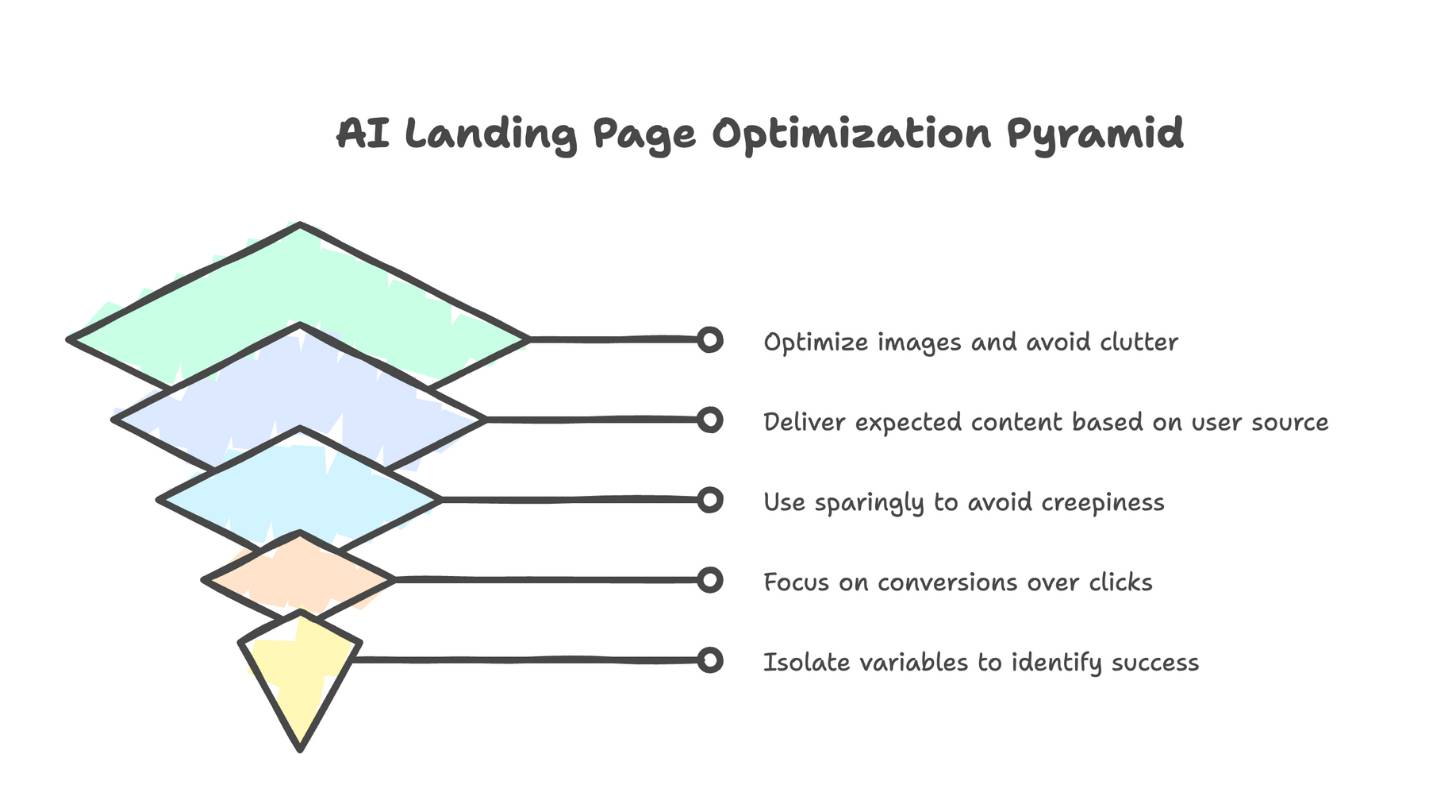
A few guiding principles as you begin:
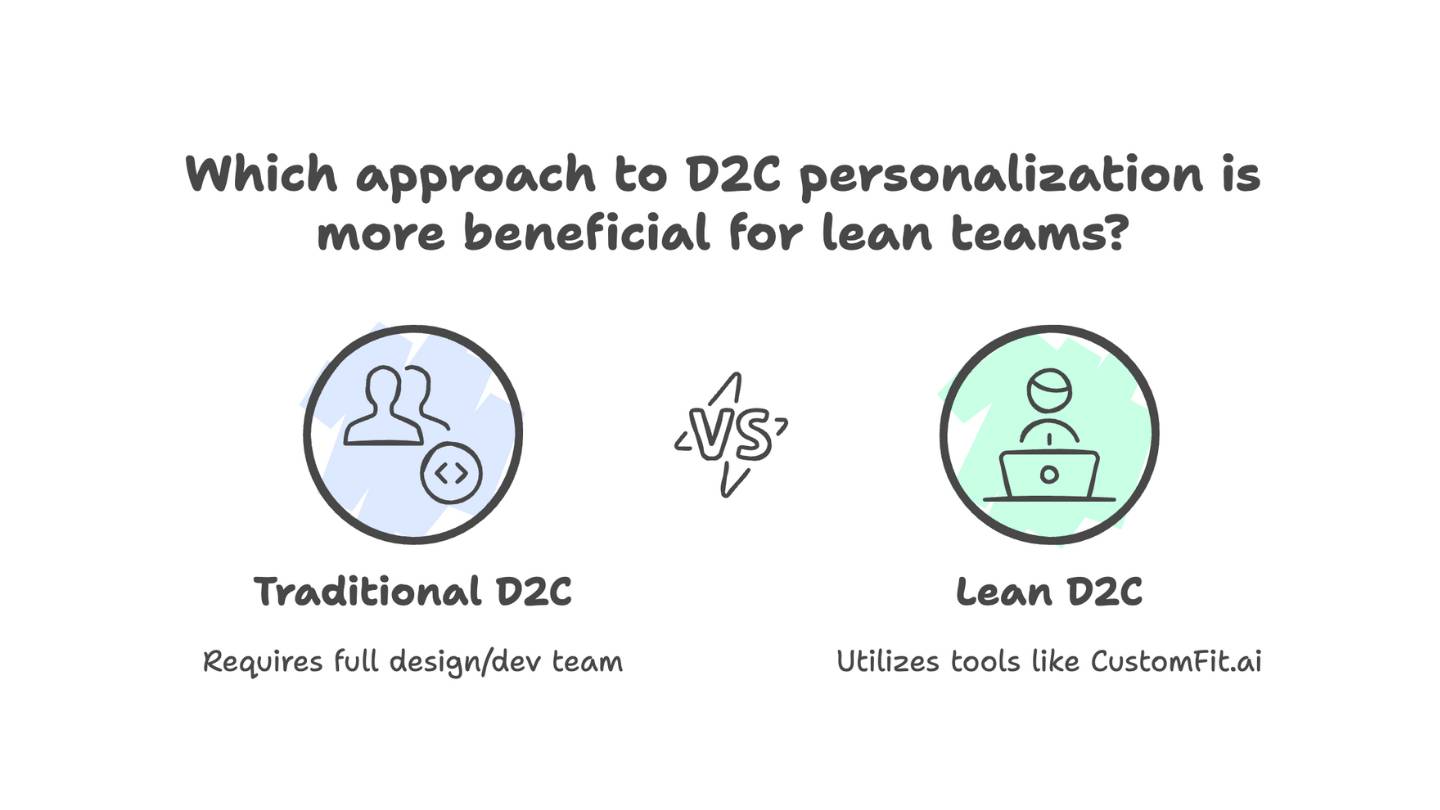
No. Lean D2C teams often benefit the most. When you don't have a full design or dev team, tools like CustomFit.ai give you agility. You can launch tests, tweak layouts, and adjust messaging without waiting on engineering.
It lets you treat every visitor as a distinct segment, even if you're a team of two.
Start with high-impact elements: headlines, CTAs, images, and social proof. Use CustomFit.ai's visitor data to identify which areas need attention.
Not if done correctly. Google supports A/B testing as long as the tests don't manipulate bots or violate cloaking rules.
It depends on the product. Higher-cost or more complex items need more information. Use scroll tracking to see if users are reaching important sections.
CustomFit.ai tracks engagement and conversions by segment, so you can see whether personalized experiences outperform default versions.
Yes. Organic visitors also have different intents. Personalizing by referral source, behavior, or return status can improve engagement across all traffic types.
The best landing pages don't shout. They feel like a conversation rather than a pitch. With AI-driven personalization and structured A/B testing, you're not just improving metrics; you're building better user experiences.
Start with one landing page. Test, tweak, personalize, and watch your conversions tell you what's working.