5 Experiments Jewellery Brands Should Run to Increase Conversions in 2026

Jewellery is an emotional purchase. Unlike everyday products, people do not buy jewellery casually. They pause. They zoom in on the images. They read reviews carefully. They compare designs across multiple tabs. Sometimes they add an item to the cart and return days later before making a decision.

This behavior creates a unique challenge for ecommerce jewellery brands. Traffic alone does not guarantee sales. The experience around the product determines whether a visitor becomes a customer.

In 2026, successful jewellery ecommerce brands are not relying on design intuition or guesswork. They are running structured experiments across their websites and marketing channels.

They test product page layouts. They test trust signals. They test pricing perception. They test shipping incentives. They test engagement features like AR try on and social proof.

These experiments are not random design tweaks. They are controlled A/B testing programs designed to increase conversion rate while protecting brand perception.
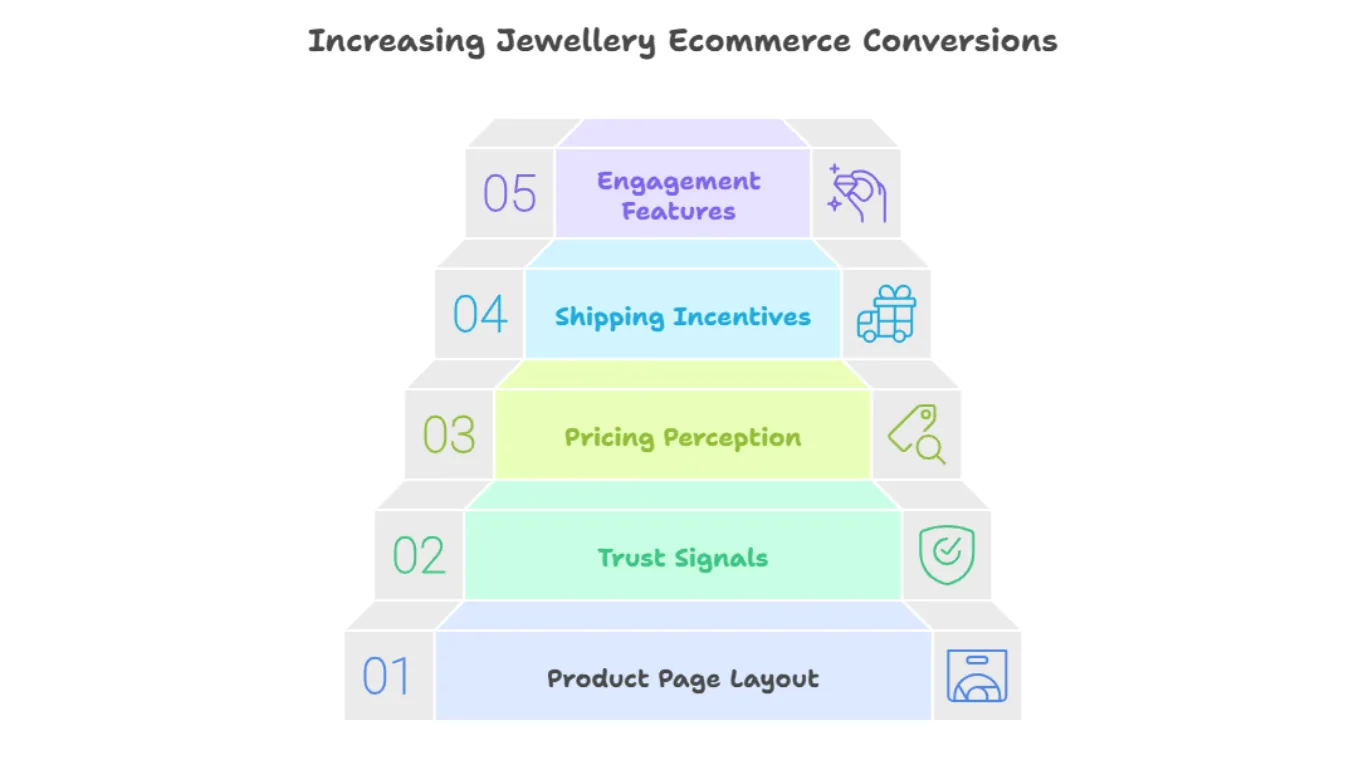
Increasing Jewellery Ecommerce Conversions

This article explores five high impact experiments jewellery brands should run in 2026 to improve ecommerce performance. We will also discuss practical ways to execute these tests, how to measure results, and how ecommerce brands are using modern experimentation frameworks to improve sales.

Along the way, we will also explain how platforms such as CustomFit.ai, a conversion rate optimization company focused on ecommerce experimentation, help brands implement structured A/B testing programs without heavy engineering involvement.

If you run an ecommerce jewellery store and want to increase conversion rate, these experiments will help you move from assumptions to data driven decisions.

Why Jewellery Ecommerce Requires Experimentation

Jewellery ecommerce is different from many other product categories.

Customers care deeply about trust, authenticity, craftsmanship, and emotional meaning. A small difference in presentation can dramatically influence purchase behavior.

For example:

The position of certification badges can influence trust.
The size of product images can influence perceived quality.
The way shipping information is presented can reduce hesitation.
The way a product story is told can increase emotional connection.

Because these elements interact in complex ways, the safest approach is structured experimentation.

A/B testing allows jewellery brands to test variations of their ecommerce experience while protecting existing revenue.

Instead of redesigning everything at once, brands experiment incrementally and scale what works.

Experiment 1: Product Page Layout Testing

For most jewellery ecommerce stores, the product page is where the purchase decision happens.

Customers spend more time here than anywhere else on the site. They analyze product images, read details, check price, and evaluate trust signals.

Small layout changes can significantly influence conversion rate.

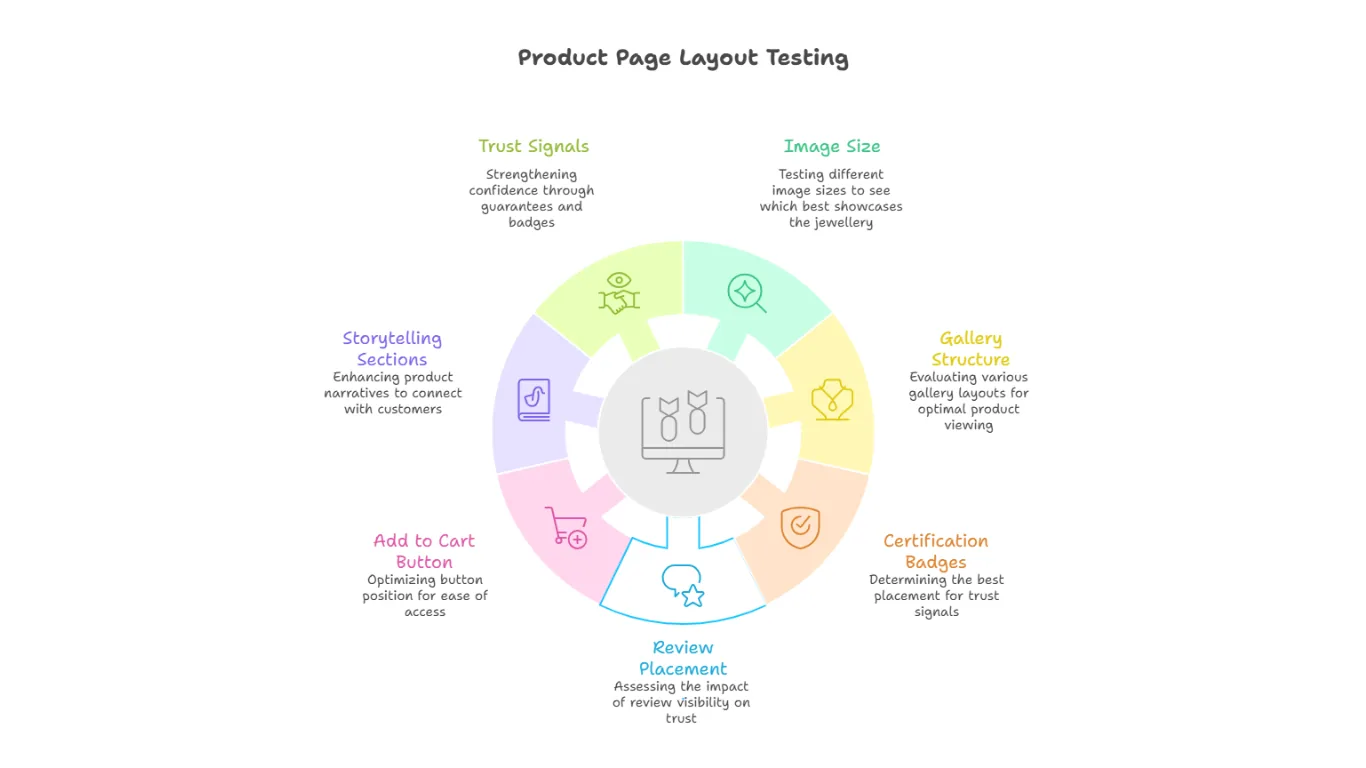
Product Page Layout Testing

Best Practices for A/B Testing Product Page Layouts for Online Jewellery Stores

Jewellery brands commonly test the following elements.

Image size and gallery structure
Placement of certification badges
Review placement and visibility
Add to cart button position
Product storytelling sections
Trust signals and guarantees

For example, a jewellery store may test whether placing customer reviews directly below the price increases trust compared to placing them lower on the page.

Another test might evaluate whether showing gemstone certification badges near the add to cart button increases purchase confidence.

Using an A/B Testing Platform allows brands to run these tests without redesigning the entire page.

These experiments help answer a critical question.

What information do customers need to see first to feel confident enough to buy?

Experiment 2: Pricing and Value Presentation

Jewellery purchases often involve significant emotional and financial consideration.

Price perception plays a powerful role in the buying decision.

Instead of simply testing price changes, jewellery brands experiment with how value is presented.

What A/B Testing Ideas Should Jewellery Brands Run on Their Ecommerce Websites?

Some effective pricing experiments include:

Displaying price breakdowns for materials and craftsmanship
Testing installment payment messaging
Showing limited edition indicators
Testing anchor pricing for premium collections
Highlighting lifetime service benefits

For example, showing "handcrafted using ethically sourced diamonds" near the price can increase perceived value without changing the price itself.

Structured AB testing allows brands to understand whether these messaging variations increase conversion rate.

This approach protects brand prestige while optimizing revenue.

Experiment 3: AR Try On Experiences

Online jewellery shopping often suffers from one major limitation.

Customers cannot physically try the product.

This creates hesitation.

To address this challenge, many jewellery brands are experimenting with augmented reality try on features.

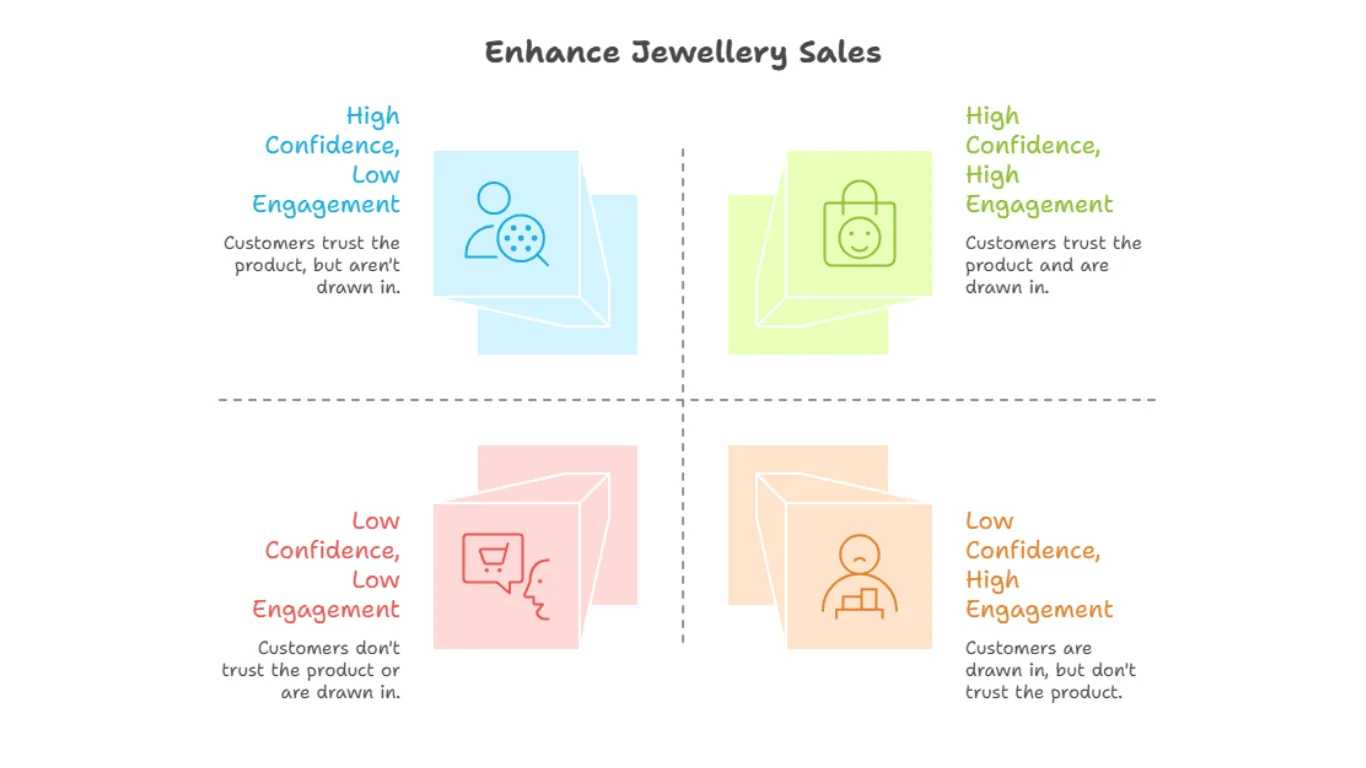
Enhance Jewellery Sales

Experimenting With AR Try On Features for Online Precious Metal Sellers

AR try on tools allow customers to visualize rings, necklaces, or earrings on themselves through their smartphone camera.

These tools can dramatically increase engagement.

However, AR features must be implemented thoughtfully.

Brands should experiment with:

Placement of the AR try on button
Whether AR appears automatically or requires interaction
AR try on on product page versus separate section
Impact of AR on mobile conversion rate

A/B testing these elements helps determine whether AR improves purchase confidence or simply adds complexity.

For jewellery brands targeting younger audiences, AR experimentation often produces strong engagement results.

Read about What Is Price A/B Testing and How to Run It Without Losing Revenue in 2026?

Experiment 4: Shipping and Delivery Transparency

Jewellery purchases often involve anxiety about delivery.

Customers want to know when their item will arrive and whether it will be secure.

Shipping messaging can significantly influence conversion rate.

Shipping Messaging Experiments

Jewellery brands often test:

Free shipping thresholds
Delivery time messaging
Insurance coverage messaging
Secure packaging reassurance
Express delivery options

For example, testing the message "Fully insured delivery within 48 hours" near the add to cart button can reduce hesitation.

A/B testing shipping transparency often improves checkout completion rates.

This type of experiment is especially important for high value jewellery purchases.

Experiment 5: Loyalty and Repeat Purchase Programs

Jewellery brands often underestimate the importance of repeat purchases.

Customers may buy gifts, anniversary jewellery, or complementary pieces over time.

Loyalty programs can encourage long term relationships.

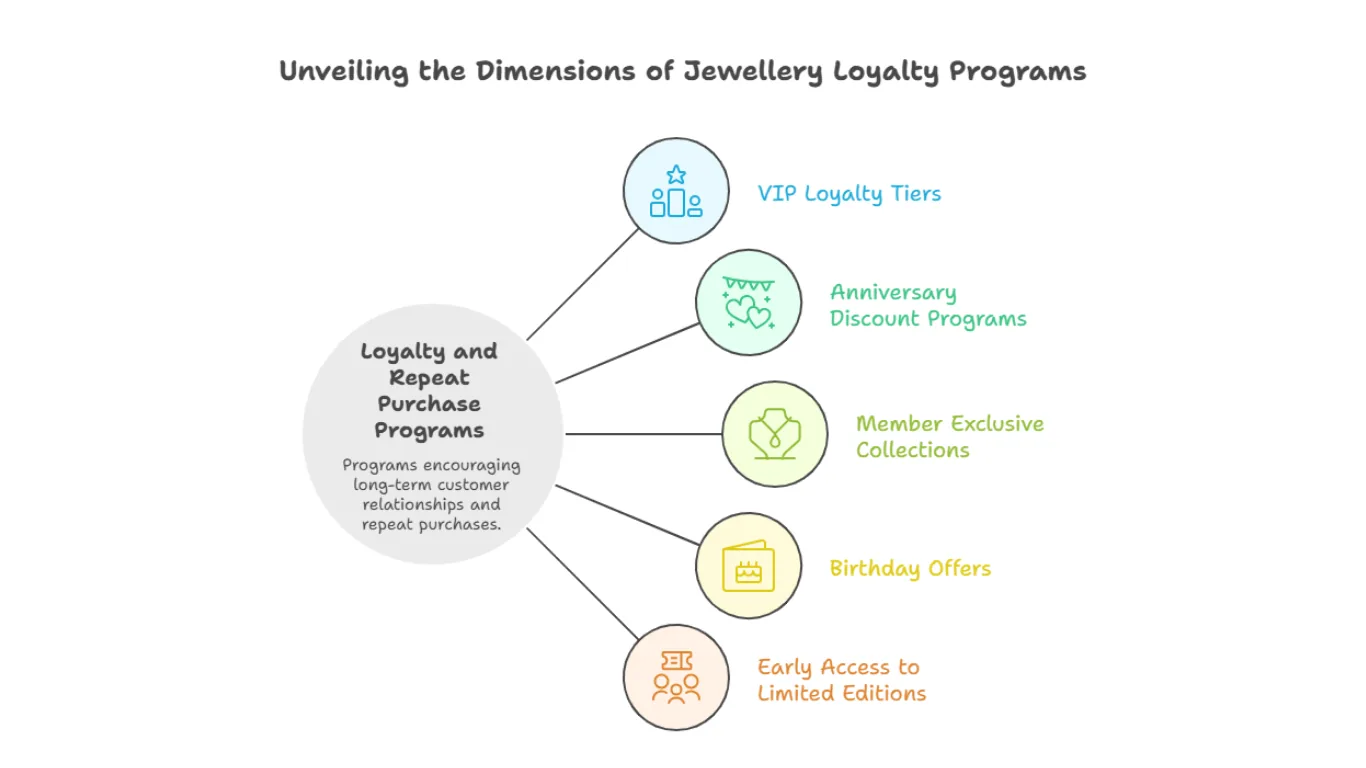
Unveiling the Dimensions of Jewellery Loyalty Programs

What Kind of Customer Loyalty Program Experiments Boost Sales for Luxury Jewellery Houses?

Jewellery brands often experiment with:

VIP loyalty tiers
Anniversary discount programs
Member exclusive collections
Birthday offers
Early access to limited editions

Testing how loyalty messaging appears on product pages or during checkout can influence repeat purchase behavior.

An A/B testing tool allows brands to evaluate whether loyalty messaging increases immediate conversion rate or primarily affects future purchases.

Both outcomes matter.

Innovative Digital Marketing Tests for Premium Accessory Retailers

Beyond website experiments, jewellery brands are also testing marketing channels and campaigns.

Innovative digital marketing tests include:

Personalized landing pages for ad campaigns
Influencer specific product pages
Story driven campaign messaging
Limited time collection launches

These experiments help brands understand how storytelling and presentation influence buyer psychology.

How High End Ornament Makers Use Social Media Experiments

Social media is a powerful discovery channel for jewellery brands.

However, not all campaigns perform equally.

Jewellery brands run structured social media experiments to understand what resonates with their audience.

Social Media Experiment Ideas

Testing short video versus image ads
Testing behind the scenes craftsmanship content
Testing user generated content campaigns
Testing influencer styling videos

Brands often connect social media campaigns to dedicated landing pages where AB testing continues.

This end to end experimentation approach helps maximize campaign performance.

Influencer Collaboration Experiments

Influencers can dramatically influence jewellery brand visibility.

However, collaborations must be tested carefully.

How Can Jewellery Brands Experiment With Influencer Collaborations?

Brands often experiment with:

Single influencer campaigns versus multi influencer campaigns
Influencer curated collections
Affiliate style partnerships
Limited edition collaboration drops

Using A/B testing on influencer landing pages allows brands to measure how collaboration messaging influences conversion rate.

Customer Engagement Experiments That Work for Jewellery Brands

Customer engagement experiments focus on building trust and emotional connection.

Examples include:

Displaying real customer proposal stories
Showing live purchase notifications
Highlighting limited inventory signals
Testing appointment booking for consultations

These engagement elements influence confidence and urgency.

Split testing helps determine which elements increase purchase probability.

Read More: GIVA Case Study- Elevating Conversions Through Personalized Shopping Journeys with CustomFit.ai

Best Tools for Running Jewellery Ecommerce Experiments

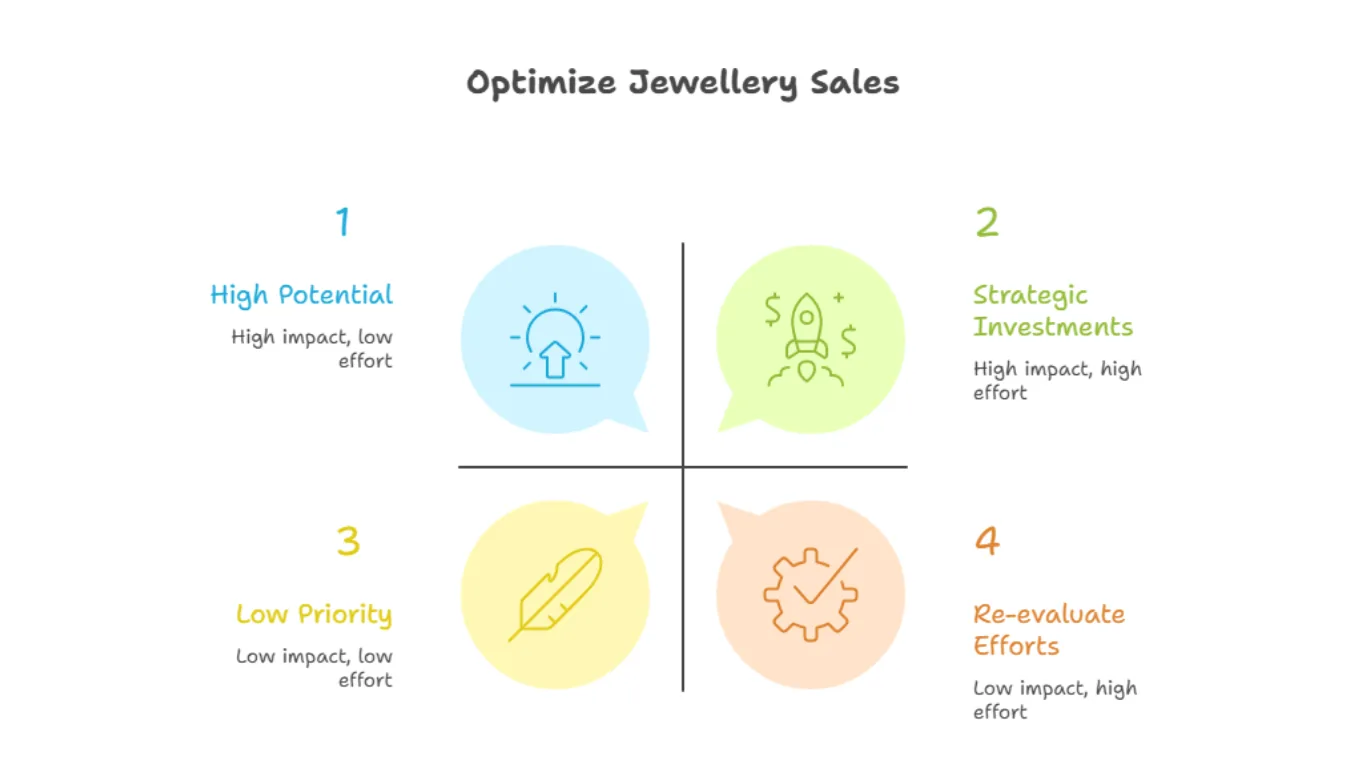
Optimize Jewellery Sales

Jewellery ecommerce experiments require tools that support:

Visual page modifications
Traffic segmentation
Revenue tracking
Device specific experiments
Safe rollout mechanisms

An A/B Testing Platform built for ecommerce allows jewellery brands to run experiments without disrupting the customer experience.

CustomFit.ai is an example of an experimentation platform designed for ecommerce brands that want to test website changes, personalization, and user behavior variations safely.

Instead of relying on guesswork, brands can run controlled tests and scale winning experiences.
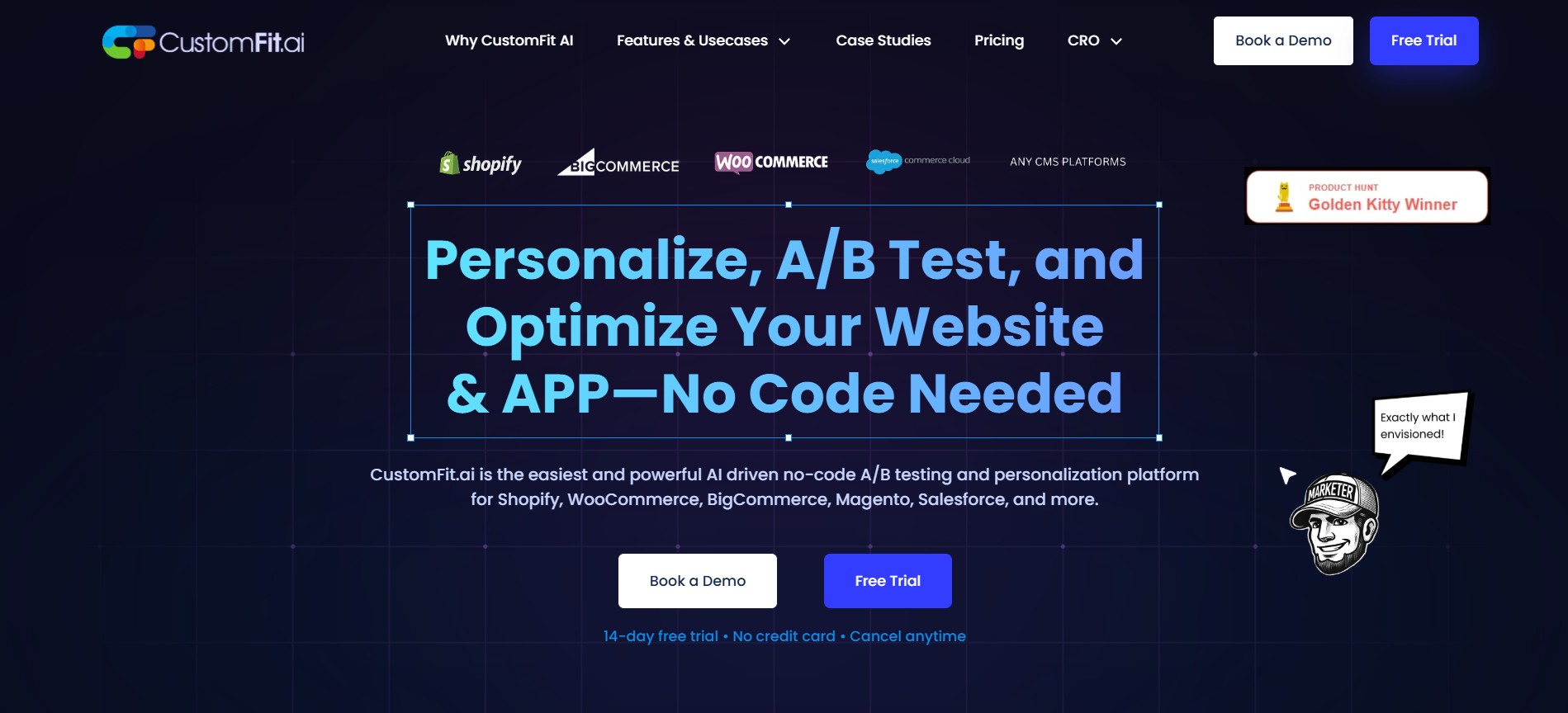
customfit ab testing and website personalization platform

Platforms for Conducting Jewellery Ecommerce Split Testing

Modern experimentation platforms allow jewellery brands to test:

Product page layouts
Checkout messaging
Pricing perception
Shipping messaging
Personalized offers

These tests are typically implemented through a visual experimentation interface that allows marketing teams to launch experiments without heavy developer involvement.

This approach allows faster learning cycles.

Real World Impact of Jewellery Ecommerce Experiments

Structured experimentation has helped jewellery brands achieve measurable improvements.

Typical outcomes include:

Higher product page conversion rates
Improved checkout completion
Higher average order value
Lower cart abandonment
Improved customer confidence

Even small improvements can significantly increase revenue.

For example, increasing conversion rate from 1.8 percent to 2.2 percent can dramatically improve profitability when traffic volumes are large.

How CustomFit.ai Supports Jewellery Ecommerce Experimentation

CustomFit.ai is a conversion rate optimization company designed to help ecommerce brands implement structured experimentation.

For jewellery brands, this means being able to test:

Product page layout variations
Trust signal placement
Shipping messaging
Customer engagement elements
Personalized shopping experiences

Instead of relying on assumptions, jewellery brands can run controlled experiments and evaluate results using clear revenue metrics.

This helps brands increase conversion rate while maintaining the premium experience that jewellery customers expect.

Transactional Benefits of Running Jewellery Ecommerce Experiments

Running structured ecommerce experiments can help jewellery brands:

Increase conversion rate
Improve customer trust
Increase average order value
Reduce cart abandonment
Improve return on ad spend
Optimize customer engagement

These improvements directly translate into higher revenue and better marketing efficiency.

Conclusion

Jewellery ecommerce is emotional, visual, and trust driven.

Because of this, small changes can have a large impact on performance.

Instead of redesigning entire websites or guessing what customers want, successful jewellery brands run structured experiments.

They test product page layouts. They test pricing perception. They test AR features. They test shipping transparency. They test loyalty programs.

Each experiment reveals insights about customer behavior.

Over time, these insights compound into measurable growth.

Platforms like CustomFit.ai, A/B testing software for ecommerce, help jewellery brands run these experiments safely by enabling controlled A/B testing and revenue analysis.

The goal is not to constantly change the website.

The goal is to learn what truly helps customers feel confident enough to buy.

FAQs

What are some innovative marketing experiments jewellery brands should try?

Jewellery brands should experiment with product page layouts, AR try on experiences, pricing perception messaging, shipping transparency, and loyalty program incentives. These experiments help improve customer trust and increase conversion rate.

What A/B testing ideas should jewellery brands run on their ecommerce websites?

Common A/B testing ideas include testing product image sizes, trust badge placement, pricing messaging, customer reviews placement, and shipping incentives.

How can high end ornament makers use social media experiments effectively?

They can test different types of content such as influencer styling videos, craftsmanship storytelling, and customer testimonials to identify which content drives engagement and conversions.

What customer engagement experiments work best for jewellery brands?

Displaying customer stories, showing live purchase notifications, and highlighting limited inventory signals can improve engagement and trust.

How can AR try on features help jewellery ecommerce stores?

AR try on features allow customers to visualize jewellery products on themselves, increasing engagement and purchase confidence.

How does A/B testing help jewellery ecommerce brands increase conversion rate?

A/B testing allows jewellery brands to compare different versions of their website or marketing campaigns and identify which variation performs better in terms of conversion rate and revenue.

How can CustomFit.ai help jewellery brands run ecommerce experiments?

CustomFit.ai, a CRO platform for ecommerce brands,  provides an A/B testing platform that enables ecommerce brands to test website changes, analyze results, and implement winning experiences safely.

Sapna Johar
CRO Engineer at Customfit.ai

Jewellery is an emotional purchase. Unlike everyday products, people do not buy jewellery casually. They pause. They zoom in on the images. They read reviews carefully. They compare designs across multiple tabs. Sometimes they add an item to the cart and return days later before making a decision.

This behavior creates a unique challenge for ecommerce jewellery brands. Traffic alone does not guarantee sales. The experience around the product determines whether a visitor becomes a customer.

In 2026, successful jewellery ecommerce brands are not relying on design intuition or guesswork. They are running structured experiments across their websites and marketing channels.

They test product page layouts. They test trust signals. They test pricing perception. They test shipping incentives. They test engagement features like AR try on and social proof.

These experiments are not random design tweaks. They are controlled A/B testing programs designed to increase conversion rate while protecting brand perception.

Increasing Jewellery Ecommerce Conversions

This article explores five high impact experiments jewellery brands should run in 2026 to improve ecommerce performance. We will also discuss practical ways to execute these tests, how to measure results, and how ecommerce brands are using modern experimentation frameworks to improve sales.

Along the way, we will also explain how platforms such as CustomFit.ai, a conversion rate optimization company focused on ecommerce experimentation, help brands implement structured A/B testing programs without heavy engineering involvement.

If you run an ecommerce jewellery store and want to increase conversion rate, these experiments will help you move from assumptions to data driven decisions.

Why Jewellery Ecommerce Requires Experimentation

Jewellery ecommerce is different from many other product categories.

Customers care deeply about trust, authenticity, craftsmanship, and emotional meaning. A small difference in presentation can dramatically influence purchase behavior.

For example:

The position of certification badges can influence trust.
The size of product images can influence perceived quality.
The way shipping information is presented can reduce hesitation.
The way a product story is told can increase emotional connection.

Because these elements interact in complex ways, the safest approach is structured experimentation.

A/B testing allows jewellery brands to test variations of their ecommerce experience while protecting existing revenue.

Instead of redesigning everything at once, brands experiment incrementally and scale what works.

Experiment 1: Product Page Layout Testing

For most jewellery ecommerce stores, the product page is where the purchase decision happens.

Customers spend more time here than anywhere else on the site. They analyze product images, read details, check price, and evaluate trust signals.

Small layout changes can significantly influence conversion rate.

Product Page Layout Testing

Best Practices for A/B Testing Product Page Layouts for Online Jewellery Stores

Jewellery brands commonly test the following elements.

Image size and gallery structure
Placement of certification badges
Review placement and visibility
Add to cart button position
Product storytelling sections
Trust signals and guarantees

For example, a jewellery store may test whether placing customer reviews directly below the price increases trust compared to placing them lower on the page.

Another test might evaluate whether showing gemstone certification badges near the add to cart button increases purchase confidence.

Using an A/B Testing Platform allows brands to run these tests without redesigning the entire page.

These experiments help answer a critical question.

What information do customers need to see first to feel confident enough to buy?

Experiment 2: Pricing and Value Presentation

Jewellery purchases often involve significant emotional and financial consideration.

Price perception plays a powerful role in the buying decision.

Instead of simply testing price changes, jewellery brands experiment with how value is presented.

What A/B Testing Ideas Should Jewellery Brands Run on Their Ecommerce Websites?

Some effective pricing experiments include:

Displaying price breakdowns for materials and craftsmanship
Testing installment payment messaging
Showing limited edition indicators
Testing anchor pricing for premium collections
Highlighting lifetime service benefits

For example, showing "handcrafted using ethically sourced diamonds" near the price can increase perceived value without changing the price itself.

Structured AB testing allows brands to understand whether these messaging variations increase conversion rate.

This approach protects brand prestige while optimizing revenue.

Experiment 3: AR Try On Experiences

Online jewellery shopping often suffers from one major limitation.

Customers cannot physically try the product.

This creates hesitation.

To address this challenge, many jewellery brands are experimenting with augmented reality try on features.

Enhance Jewellery Sales

Experimenting With AR Try On Features for Online Precious Metal Sellers

AR try on tools allow customers to visualize rings, necklaces, or earrings on themselves through their smartphone camera.

These tools can dramatically increase engagement.

However, AR features must be implemented thoughtfully.

Brands should experiment with:

Placement of the AR try on button
Whether AR appears automatically or requires interaction
AR try on on product page versus separate section
Impact of AR on mobile conversion rate

A/B testing these elements helps determine whether AR improves purchase confidence or simply adds complexity.

For jewellery brands targeting younger audiences, AR experimentation often produces strong engagement results.

Read about What Is Price A/B Testing and How to Run It Without Losing Revenue in 2026?

Experiment 4: Shipping and Delivery Transparency

Jewellery purchases often involve anxiety about delivery.

Customers want to know when their item will arrive and whether it will be secure.

Shipping messaging can significantly influence conversion rate.

Shipping Messaging Experiments

Jewellery brands often test:

Free shipping thresholds
Delivery time messaging
Insurance coverage messaging
Secure packaging reassurance
Express delivery options

For example, testing the message "Fully insured delivery within 48 hours" near the add to cart button can reduce hesitation.

A/B testing shipping transparency often improves checkout completion rates.

This type of experiment is especially important for high value jewellery purchases.

Experiment 5: Loyalty and Repeat Purchase Programs

Jewellery brands often underestimate the importance of repeat purchases.

Customers may buy gifts, anniversary jewellery, or complementary pieces over time.

Loyalty programs can encourage long term relationships.

Unveiling the Dimensions of Jewellery Loyalty Programs

What Kind of Customer Loyalty Program Experiments Boost Sales for Luxury Jewellery Houses?

Jewellery brands often experiment with:

VIP loyalty tiers
Anniversary discount programs
Member exclusive collections
Birthday offers
Early access to limited editions

Testing how loyalty messaging appears on product pages or during checkout can influence repeat purchase behavior.

An A/B testing tool allows brands to evaluate whether loyalty messaging increases immediate conversion rate or primarily affects future purchases.

Both outcomes matter.

Innovative Digital Marketing Tests for Premium Accessory Retailers

Beyond website experiments, jewellery brands are also testing marketing channels and campaigns.

Innovative digital marketing tests include:

Personalized landing pages for ad campaigns
Influencer specific product pages
Story driven campaign messaging
Limited time collection launches

These experiments help brands understand how storytelling and presentation influence buyer psychology.

How High End Ornament Makers Use Social Media Experiments

Social media is a powerful discovery channel for jewellery brands.

However, not all campaigns perform equally.

Jewellery brands run structured social media experiments to understand what resonates with their audience.

Social Media Experiment Ideas

Testing short video versus image ads
Testing behind the scenes craftsmanship content
Testing user generated content campaigns
Testing influencer styling videos

Brands often connect social media campaigns to dedicated landing pages where AB testing continues.

This end to end experimentation approach helps maximize campaign performance.

Influencer Collaboration Experiments

Influencers can dramatically influence jewellery brand visibility.

However, collaborations must be tested carefully.

How Can Jewellery Brands Experiment With Influencer Collaborations?

Brands often experiment with:

Single influencer campaigns versus multi influencer campaigns
Influencer curated collections
Affiliate style partnerships
Limited edition collaboration drops

Using A/B testing on influencer landing pages allows brands to measure how collaboration messaging influences conversion rate.

Customer Engagement Experiments That Work for Jewellery Brands

Customer engagement experiments focus on building trust and emotional connection.

Examples include:

Displaying real customer proposal stories
Showing live purchase notifications
Highlighting limited inventory signals
Testing appointment booking for consultations

These engagement elements influence confidence and urgency.

Split testing helps determine which elements increase purchase probability.

Read More: GIVA Case Study- Elevating Conversions Through Personalized Shopping Journeys with CustomFit.ai

Best Tools for Running Jewellery Ecommerce Experiments

Optimize Jewellery Sales

Jewellery ecommerce experiments require tools that support:

Visual page modifications
Traffic segmentation
Revenue tracking
Device specific experiments
Safe rollout mechanisms

An A/B Testing Platform built for ecommerce allows jewellery brands to run experiments without disrupting the customer experience.

CustomFit.ai is an example of an experimentation platform designed for ecommerce brands that want to test website changes, personalization, and user behavior variations safely.

Instead of relying on guesswork, brands can run controlled tests and scale winning experiences.

customfit ab testing and website personalization platform

Platforms for Conducting Jewellery Ecommerce Split Testing

Modern experimentation platforms allow jewellery brands to test:

Product page layouts
Checkout messaging
Pricing perception
Shipping messaging
Personalized offers

These tests are typically implemented through a visual experimentation interface that allows marketing teams to launch experiments without heavy developer involvement.

This approach allows faster learning cycles.

Real World Impact of Jewellery Ecommerce Experiments

Structured experimentation has helped jewellery brands achieve measurable improvements.

Typical outcomes include:

Higher product page conversion rates
Improved checkout completion
Higher average order value
Lower cart abandonment
Improved customer confidence

Even small improvements can significantly increase revenue.

For example, increasing conversion rate from 1.8 percent to 2.2 percent can dramatically improve profitability when traffic volumes are large.

How CustomFit.ai Supports Jewellery Ecommerce Experimentation

CustomFit.ai is a conversion rate optimization company designed to help ecommerce brands implement structured experimentation.

For jewellery brands, this means being able to test:

Product page layout variations
Trust signal placement
Shipping messaging
Customer engagement elements
Personalized shopping experiences

Instead of relying on assumptions, jewellery brands can run controlled experiments and evaluate results using clear revenue metrics.

This helps brands increase conversion rate while maintaining the premium experience that jewellery customers expect.

Transactional Benefits of Running Jewellery Ecommerce Experiments

Running structured ecommerce experiments can help jewellery brands:

Increase conversion rate
Improve customer trust
Increase average order value
Reduce cart abandonment
Improve return on ad spend
Optimize customer engagement

These improvements directly translate into higher revenue and better marketing efficiency.

Conclusion

Jewellery ecommerce is emotional, visual, and trust driven.

Because of this, small changes can have a large impact on performance.

Instead of redesigning entire websites or guessing what customers want, successful jewellery brands run structured experiments.

They test product page layouts. They test pricing perception. They test AR features. They test shipping transparency. They test loyalty programs.

Each experiment reveals insights about customer behavior.

Over time, these insights compound into measurable growth.

Platforms like CustomFit.ai, A/B testing software for ecommerce, help jewellery brands run these experiments safely by enabling controlled A/B testing and revenue analysis.

The goal is not to constantly change the website.

The goal is to learn what truly helps customers feel confident enough to buy.

FAQs

What are some innovative marketing experiments jewellery brands should try?

Jewellery brands should experiment with product page layouts, AR try on experiences, pricing perception messaging, shipping transparency, and loyalty program incentives. These experiments help improve customer trust and increase conversion rate.

What A/B testing ideas should jewellery brands run on their ecommerce websites?

Common A/B testing ideas include testing product image sizes, trust badge placement, pricing messaging, customer reviews placement, and shipping incentives.

How can high end ornament makers use social media experiments effectively?

They can test different types of content such as influencer styling videos, craftsmanship storytelling, and customer testimonials to identify which content drives engagement and conversions.

What customer engagement experiments work best for jewellery brands?

Displaying customer stories, showing live purchase notifications, and highlighting limited inventory signals can improve engagement and trust.

How can AR try on features help jewellery ecommerce stores?

AR try on features allow customers to visualize jewellery products on themselves, increasing engagement and purchase confidence.

How does A/B testing help jewellery ecommerce brands increase conversion rate?

A/B testing allows jewellery brands to compare different versions of their website or marketing campaigns and identify which variation performs better in terms of conversion rate and revenue.

How can CustomFit.ai help jewellery brands run ecommerce experiments?

CustomFit.ai, a CRO platform for ecommerce brands,  provides an A/B testing platform that enables ecommerce brands to test website changes, analyze results, and implement winning experiences safely.