From the conversion glossary
Concepts referenced in this article, defined.
Website personalization to increase conversions and engagement
Concepts referenced in this article, defined.
Run rigorous A/B tests and personalize every visit on Shopify or any storefront — no engineers required.
The key to running a successful business is to give the best customer experience you can, starting with the website. When you make your customers feel welcome as they visit your website, they will return for more.
You can do this by personalizing the website to their specific needs.
In a competitive market, website personalization has become a focus of attention because it boosts conversion rates by 15%, which keeps customers happy and helps retain them, and eventually leads to up to 25% more sales.
Businesses are working to increase website visitor engagement through personalization.
Website personalization is the process of giving customers a tailored experience by delivering relevant content and offers based on their behavior, search history, cookies, and more.
Instead of showing the same version of your website to all customers, personalization lets you show dynamic content unique to each customer based on their audience persona.
Customers prefer websites that best fit their needs and give them the experience they want. According to a survey by Accenture, 91% of customers prefer to shop with brands that identify, recall, and offer them appropriate offers and recommendations.
Website and content personalization matter for building loyalty. Without it, a once-repeat consumer may move to a competitor.
Chargebee increased their conversion by 40% by personalizing its website using CustomFit. That shows the real impact of website personalization.
Now you know what website personalization is and why it matters, let's look at the benefits:
Personalization on the web has become one of the most important drivers of modern digital experiences. A few years ago, most websites showed the same content to every visitor. Today, that approach rarely works. Visitors arrive from different channels, have different levels of intent, and expect the website to understand what they are looking for. Web personalization solves this gap by adapting the content, messaging, and product recommendations shown to each visitor based on their behavior, preferences, and context.
For example, a first-time visitor arriving from a Google search might need educational information before they feel comfortable making a purchase. Meanwhile, a returning visitor who already browsed multiple product pages may be ready to buy and should be shown relevant offers or related products. Personalization on the web helps businesses present the right message at the right time without requiring a full redesign of the website.
This shift is especially visible in ecommerce and D2C brands. Instead of showing the same homepage to everyone, brands now tailor the experience based on signals such as location, referral source, device type, browsing behavior, or past purchases. A visitor coming from a paid advertisement may see a landing page aligned with the ad messaging, while a returning customer might see products from categories they previously explored. These small contextual changes often lead to meaningful improvements in engagement and conversion rates.
Another important aspect of web personalization is that it lets teams move away from assumptions. Rather than guessing what users want, teams can run experiments and analyze how different audiences respond to different experiences. This is where personalization and A/B testing often work together. By testing personalized experiences against generic ones, businesses can measure the real impact on revenue, click-through rates, and user engagement.
Modern personalization platforms have also made this process much easier for marketing teams. Instead of relying heavily on developers, marketers can create personalized experiences through visual editors and rule-based targeting. Tools such as CustomFit.ai let teams quickly experiment with personalized product recommendations, targeted banners, dynamic messaging, and segmented landing pages without writing code.
As competition for online attention keeps growing, personalization on the web is no longer a luxury feature. It has become a practical way for businesses to make their websites more relevant, reduce friction in the user journey, and create experiences that feel tailored rather than generic.
There are three popular types of website personalization.
Your homepage is the first point of contact for your website visitors. Personalizing the header and the hero image based on customer persona or visitors' IP addresses will be a welcoming sight for your leads. It will help you increase conversions.
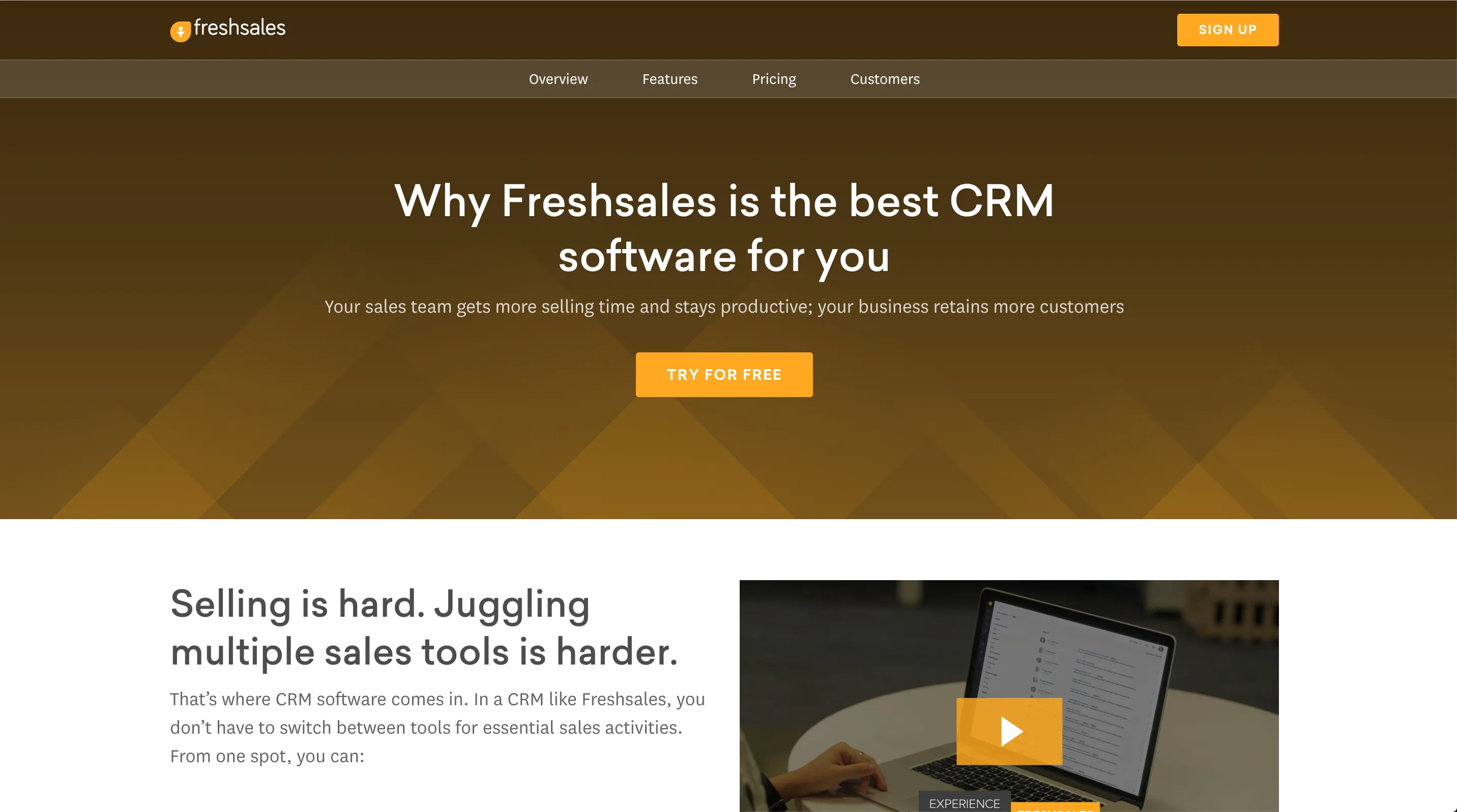
Freshworks did a great job personalizing their homepage based on the customer's search query and displayed a version of the homepage relevant to the traffic source.
The next major type of website customization is based on the customer's location. For example, if a customer is from the USA, display content that will interest US prospects.
Identifying your customer's location is the easiest, and you can customize your website to match the location. Even something as simple as changing your website language based on the location will have a great impact on your conversions.
You can have various versions of your website. For example, if a prospect visits your website from London, you can display content relevant to that location instead of showing the common version.
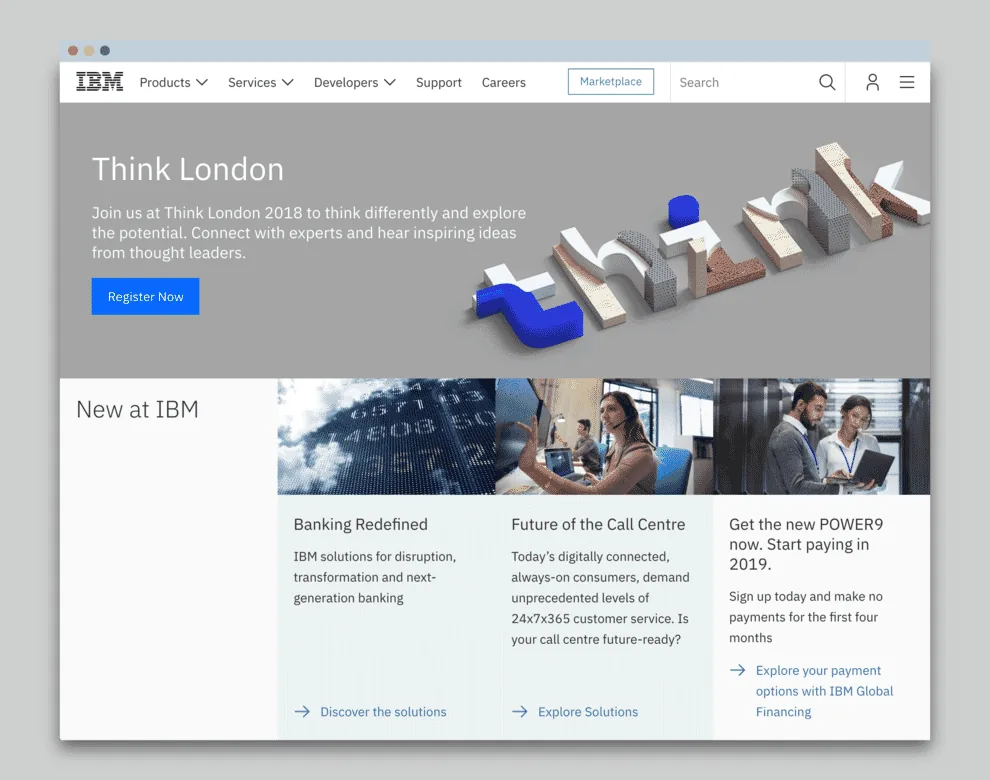
Demographic, or profiled, personalization goes a step further. It is the process of personalizing a website based on visitors' age, gender, income, education, interests, preferences, and occupation details gathered while signing up.
84 percent of customers believe that being treated like a person, rather than just "another customer," is the most important factor they consider while choosing a product.
This is only possible if you know your customers well, and that's why it is important to create audience personas beforehand and personalize your website to fit their needs.
Firmographics matter a great deal in the B2B industry. They help you serve each account's needs individually.
Displaying customized testimonials, content in native languages, customer reviews, personalized logos, and offering customer support in their language are some things that will make them trust your brand.
Website personalization is straightforward if you follow these simple steps to collect customer data and deliver personalized content.
According to statistics, about 90% of customers are willing to provide their data and cookies for a better experience.
Here are some ways you can gather customer data:
Based on your gathered data, it is time to build distinct buyer personas.
A buyer persona is a fictional representation of your ideal customer. It will tell you about a customer's demographics, interests, preferences, pleasures, and pain areas, which matter for content customization.
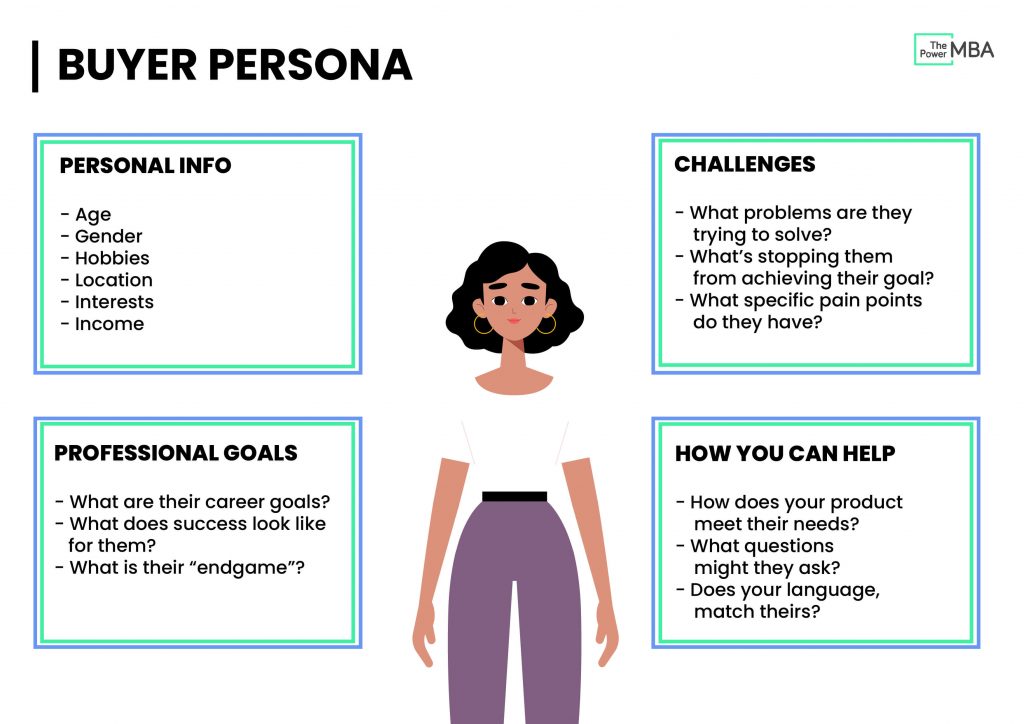
You can also segment customers based on buyer personas to target your campaign to the right customer at the right time.
Your goals include upselling and cross-selling, sending next-purchase coupons, recovering abandoned carts, lowering bounce rate, increasing customer retention rate, increasing dwell time, and persuading customers to refer their friends.
You must set these goals before you start website personalization to get the conversions you want.
Proper planning is necessary before you jump into website personalization. This is how most websites do it:
You can use hero images unique to each customer instead of a common one. Use reverse IP lookup, geography, or time to display relevant content on your homepage, to create the best first impression and give a rounded experience.
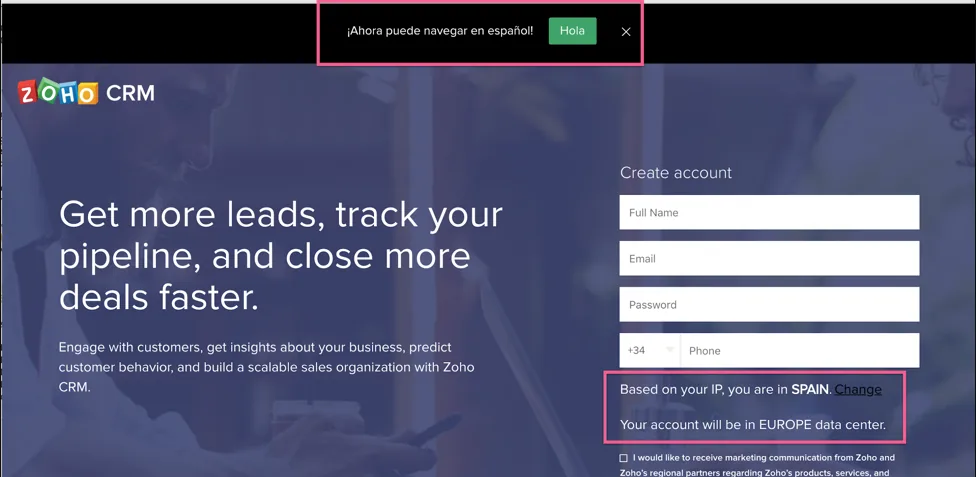
Here's a personalization example from Zoho. This time they displayed a version of the website based on the visitor's IP address.
Every B2B SaaS product has a product pricing page, and you can show prices relevant to the visitor's location. If a visitor enters your pricing page from Europe, display the pricing in Euro. If they're from India, display your pricing in Rupee. These small details go a long way and increase customer loyalty over time.
Implementation is a step-by-step process:
Start drafting your actual personalization campaigns. Select the pages you want to personalize and create the resources you need.
For example, if your website personalization goal is to lower cart abandonment, you can offer discounts based on the cart price or enable the Pay Later option to help the customer complete the purchase.
Once you've defined your campaigns, prioritize them based on their difficulty. Run the easier campaigns first and then move on to the harder ones.
Your work isn't done once your content personalization campaigns are live. You need to test them consistently to keep increasing conversions.
You can run split testing to see which content personalization works better, and if you find any flaws, you can fix them before they deliver a negative experience to customers.
Once your campaign is live, you must measure its performance to see how many conversions and how much ROI it can generate. Here are some metrics to measure:
This data will give you a 360-degree view of your campaign's performance, and based on it, you can make the updates you need to your website personalization campaign.
Website personalization is about delivering relevant experiences to customers based on their activity, and it is a proven strategy marketers use to increase conversions and sales.
According to experts, customers prefer websites that adapt to their specific needs. They would rather buy from a website that offers product recommendations, rewards, and other perks.
So now it is time for you to begin website personalization using these strategies and share your success story.