From the conversion glossary
Concepts referenced in this article, defined.
Concepts referenced in this article, defined.
 ab testing
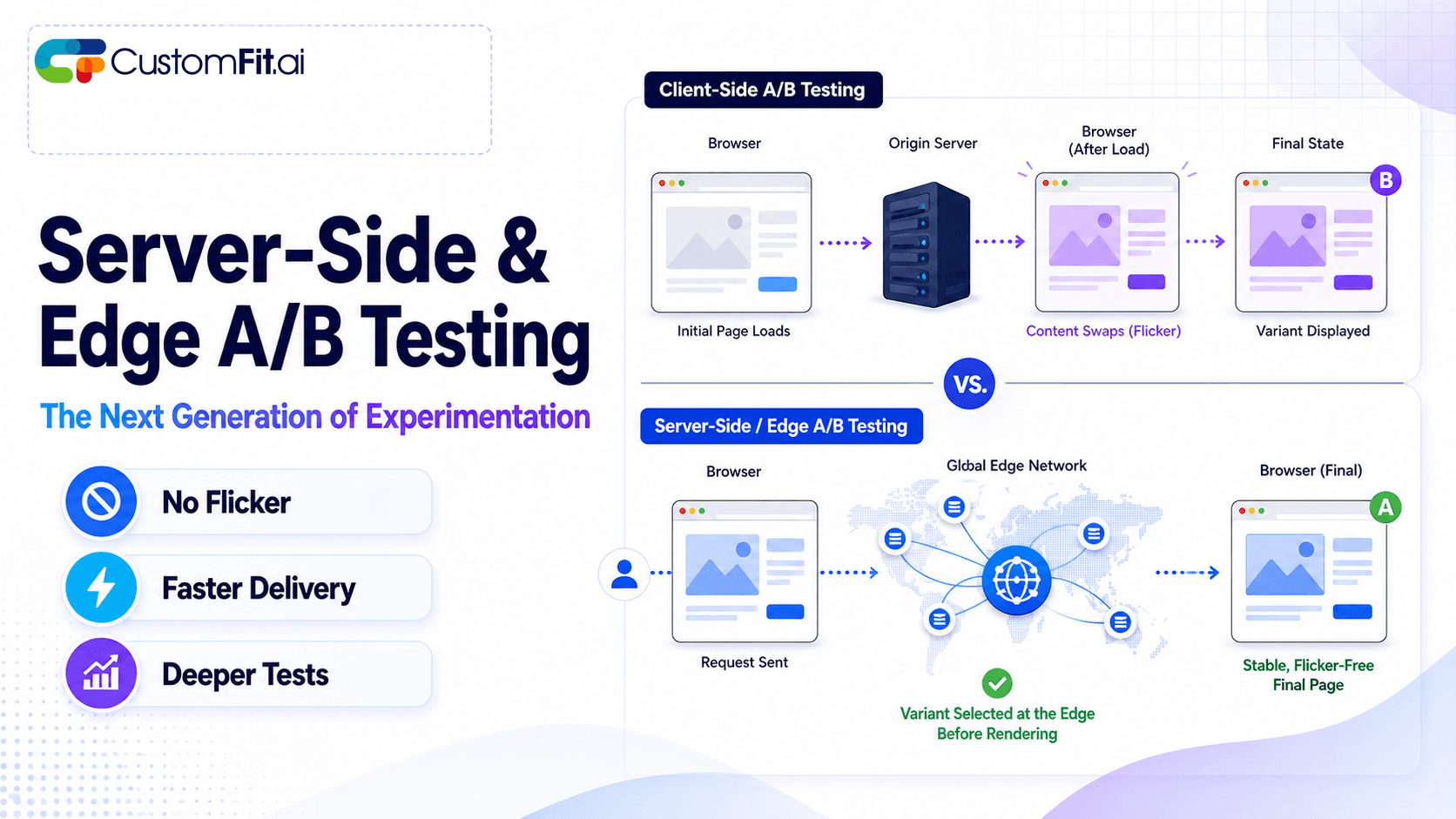
Server-side A/B testing and edge experimentation explained - how they eliminate flicker, improve speed, and where they fit vs client-side testing.
 ab testing
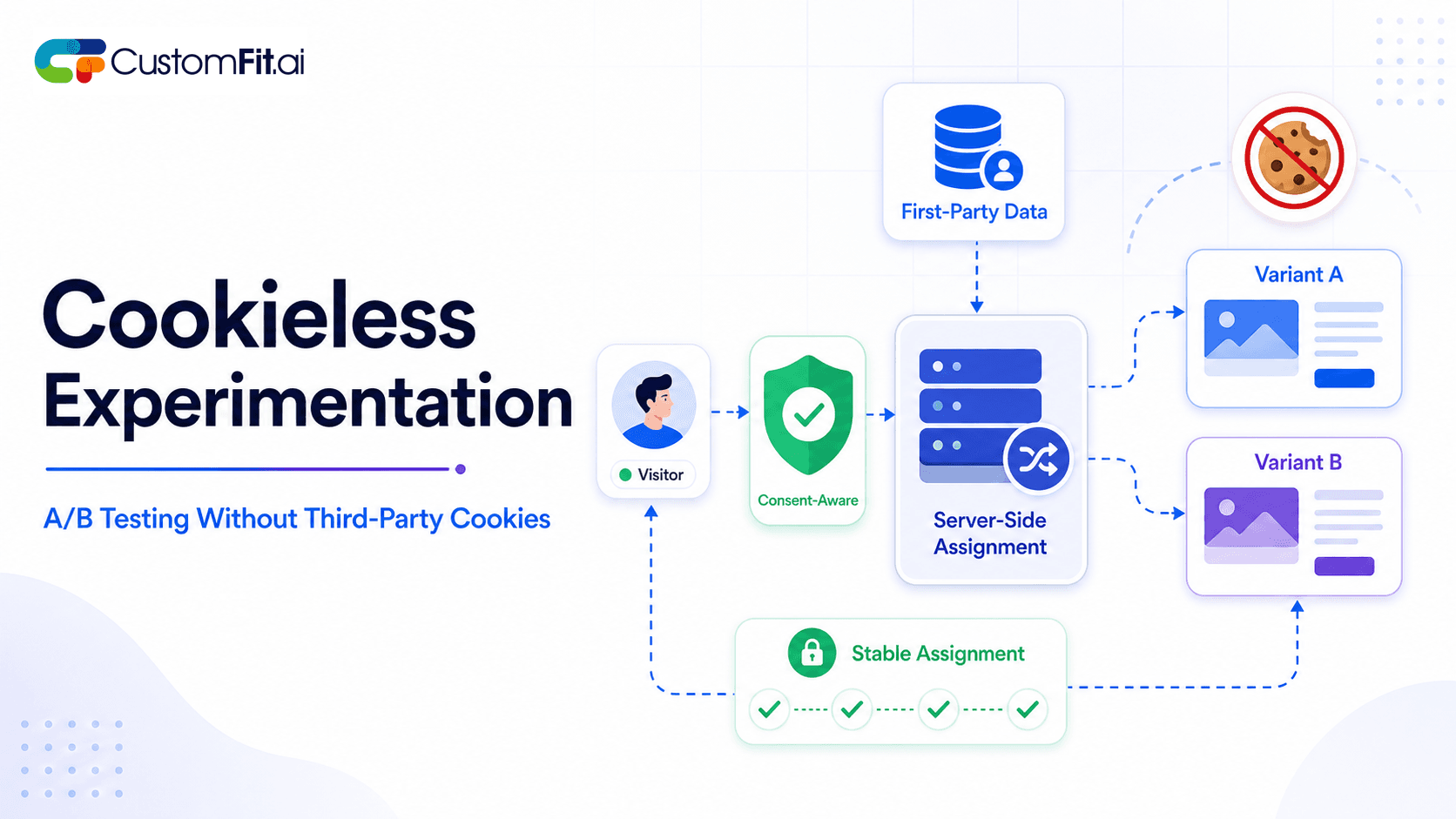
How to run cookieless A/B testing correctly in 2026 - first-party data, GDPR compliant methods, and what actually changed with third-party cookies.
 ab testing
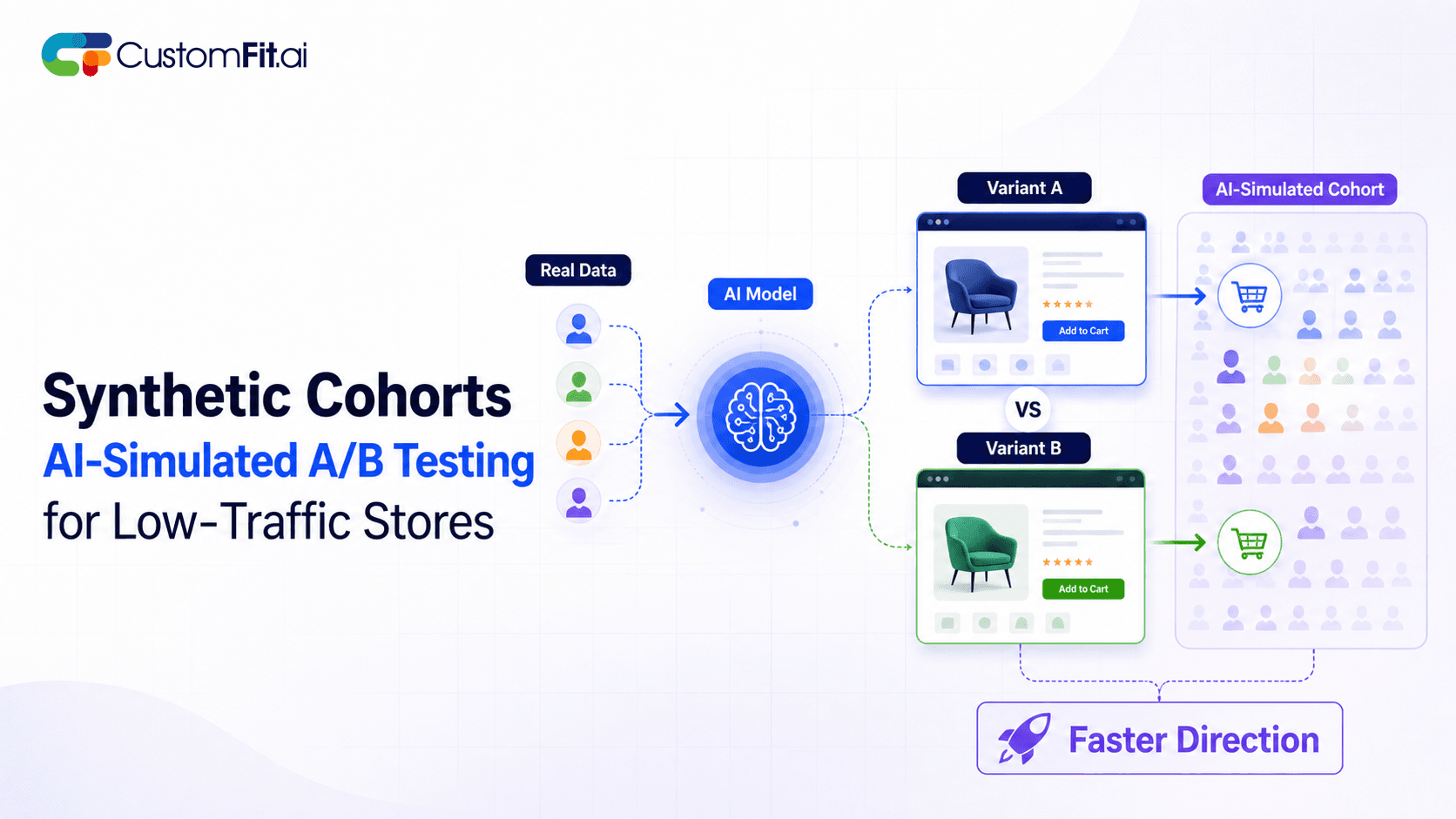
Not enough traffic to A/B test properly? Here's how synthetic cohort testing and AI-simulated experimentation help low-traffic stores test with confidence.
Run rigorous A/B tests and personalize every visit on Shopify or any storefront — no engineers required.
Images are the single most influential element on an ecommerce product page — 93% of consumers cite visual appearance as the key purchase factor, and for D2C brands selling beauty, apparel, or wellness products, your images are doing more selling than your copy. A/B testing your product images tells you exactly which visual presentation drives add-to-cart, not which one looks good in a design review. The results often surprise teams — images that win in focus groups frequently lose in live testing.
This guide covers exactly what image variables to test, the right metrics to track, and specific test ideas for Indian D2C categories.
Most ecommerce teams spend their testing budget on copy and CTAs. Images are under-tested because they're harder to change and teams assume the photographer's judgment is reliable.
It's not. Your photographer optimizes for aesthetic quality. Your visitor optimizes for confidence: "Does this product look like something that will actually work for me?"
These are different objectives. A stunning white-background pack shot might score lower on social proof than an unpolished lifestyle shot showing the product in real-world use. You don't know which your visitors prefer until you test.
This is the highest-impact image test for most D2C brands.
What to test:
Expected outcome: For beauty, apparel, and wellness brands, lifestyle shots with aspirational context often outperform product-only shots. For electronics and supplements, product shots often win.
Indian D2C example: A brand like Plum testing whether their face wash hero should be a floating-product-on-minimal-background vs. a shot of a woman with glowing skin using the product in a morning routine.
For brands selling to Indian consumers, model skin tone and styling signals whether the product is "for them."
What to test:
Why this matters: A fairness-positioned product showing only light-skin models will alienate a majority of Indian shoppers. Sugar Cosmetics built brand affinity partly by featuring diverse Indian skin tones before it was common. Testing model representation directly measures its revenue impact.
Most platforms show images in a gallery — the first image determines engagement, but the sequence shapes the purchase narrative.
What to test:
Metric to track: Click-through rate on second and third images (engagement depth) and add-to-cart rate.
What to test:
When color matters: For gifting context (Diwali sets, Raksha Bandhan gifting), warm backgrounds and styled flat-lays convert better than sterile white backgrounds. Test this specifically for your gifting collections.
Adding user-generated content (UGC) images or review excerpts overlaid on product images.
What to test:
Why UGC works: Mamaearth and mCaffeine both built trust through authentic UGC. Testing whether UGC images in your gallery lift add-to-cart quantifies this effect precisely.
Short product demo videos (15–30 seconds) in place of or alongside static images.
What to test:
Indian context: With high mobile video consumption (YouTube Shorts, Instagram Reels), Indian shoppers are increasingly comfortable with product demo videos. Boat and Noise have shown strong results from product video content. Testing quantifies this for your specific category and audience.
Step 1: Choose one variable Don't change the hero image AND the gallery sequence simultaneously. You won't know what caused any change.
Step 2: Prepare your variants Create the alternative image(s) at the same resolution and aspect ratio as your originals.
Step 3: Define your primary metric For product page image tests, the primary metric is almost always add-to-cart rate. Secondary metrics: time on page (longer = more engagement), image gallery click-through (are visitors engaging with the gallery?).
Step 4: Set up the test in CustomFit.ai Use the visual editor to swap image sources for each variant. The platform handles traffic assignment and statistical tracking automatically.
Step 5: Run for minimum 7 days Even if results look clear after 3 days, complete the minimum 7-day window. Weekend shopping behavior for most D2C categories differs from weekday behavior.
Beauty and skincare (Nykaa brands, Plum, mCaffeine):
Apparel and fashion (ethnic wear, western):
Health and supplements (Kapiva, Himalaya):
Electronics and accessories (Boat, Noise):
Always test your hero image first — it's the highest traffic point and the fastest to produce significant results.
Test across mobile and desktop separately — image performance often varies significantly by device. In India, 70%+ of ecommerce traffic is mobile, so optimize for mobile first.
Don't test during a sale event — sale traffic behavior is different from normal purchase behavior. Image tests should run during typical traffic periods.
Keep variant file sizes consistent — a slower-loading variant image will hurt conversion not because of the image content but because of load time. Always optimize image file size for both variants.
Test seasonal images — for Diwali or festive season, test festive-themed product photography against your standard product shots. The festive context often lifts CVR during the relevant period.
Document what worked for your category — over time, you'll build a playbook of which image types win for your product category and audience. This speeds up future test design.
Related reading: A/B Testing Headlines | A/B Testing Social Proof | A/B Testing CTAs | Conversion Rate Optimization | A/B Testing Pillar Guide