From the conversion glossary
Concepts referenced in this article, defined.
Concepts referenced in this article, defined.
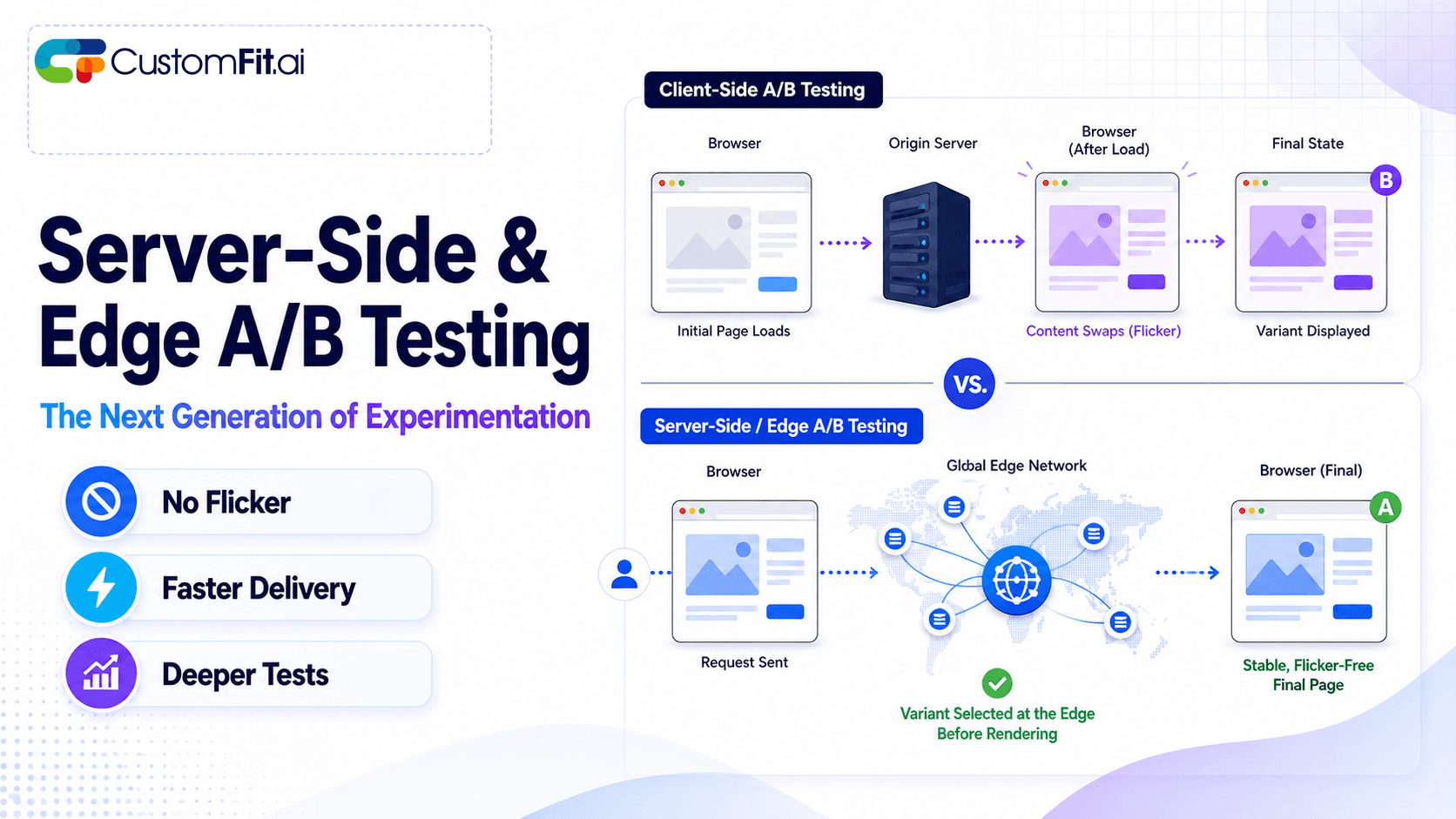 ab testing
Server-side A/B testing and edge experimentation explained - how they eliminate flicker, improve speed, and where they fit vs client-side testing.
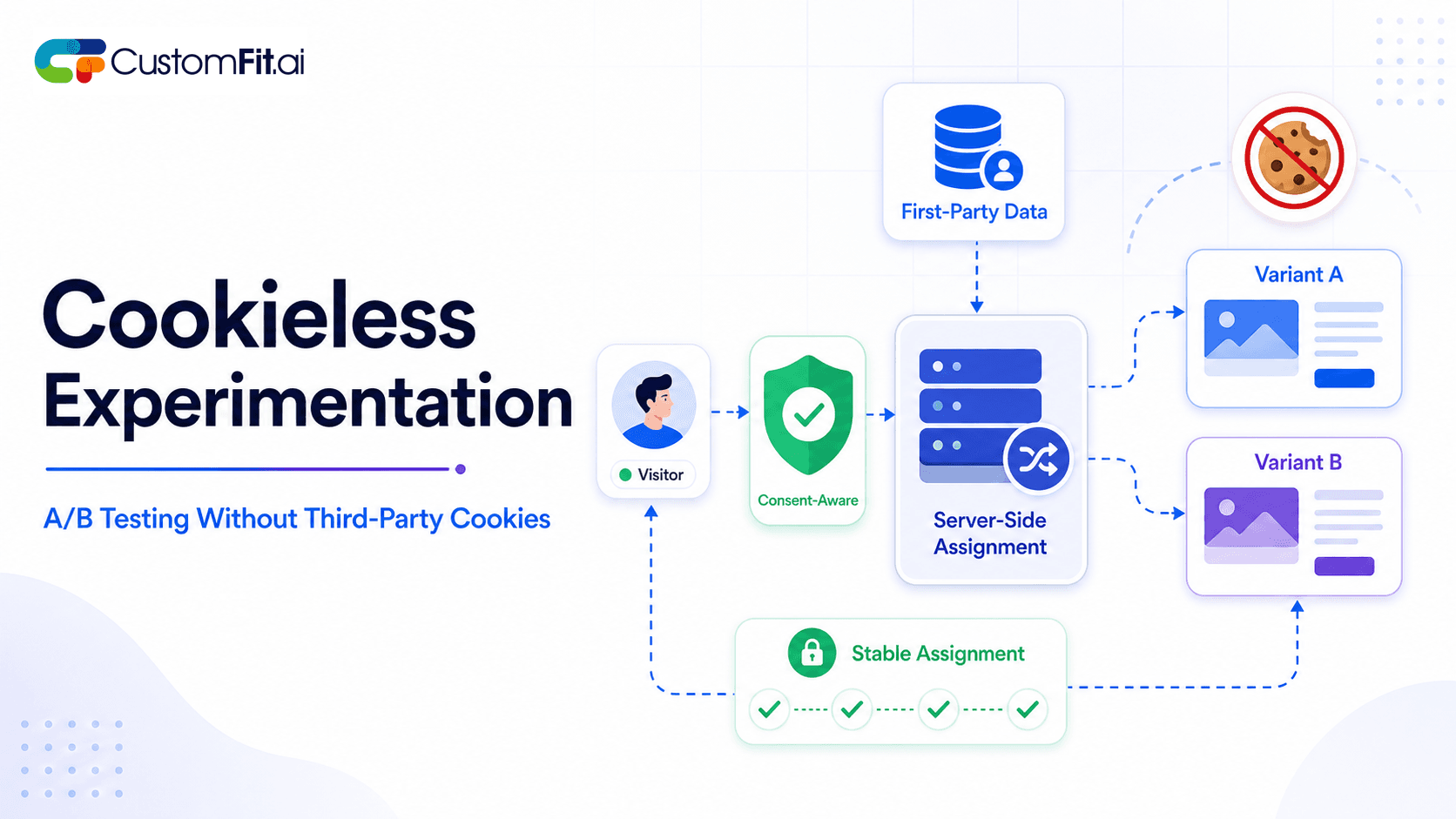 ab testing
How to run cookieless A/B testing correctly in 2026 - first-party data, GDPR compliant methods, and what actually changed with third-party cookies.
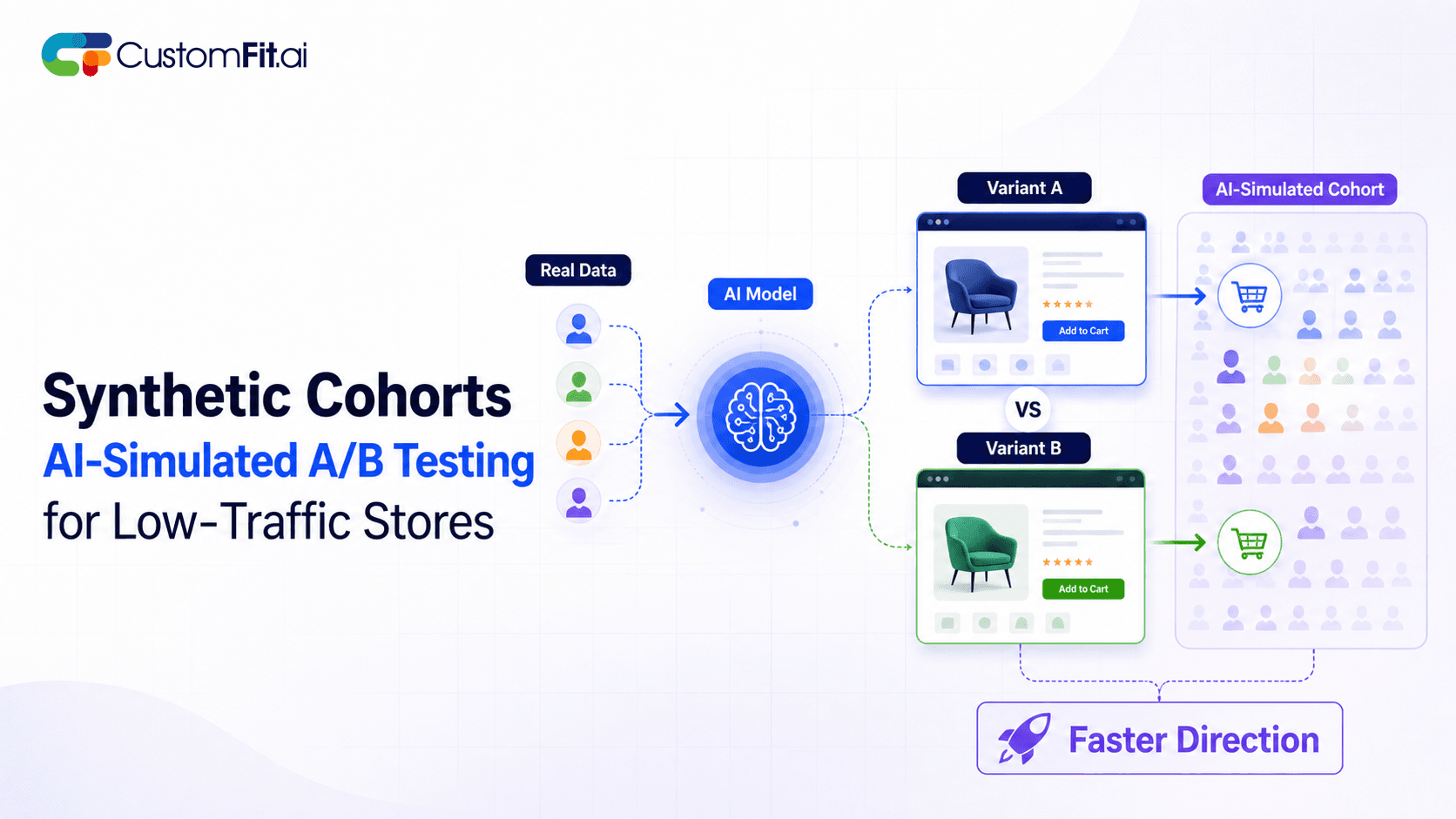 ab testing
Not enough traffic to A/B test properly? Here's how synthetic cohort testing and AI-simulated experimentation help low-traffic stores test with confidence.
Run rigorous A/B tests and personalize every visit on Shopify or any storefront — no engineers required.
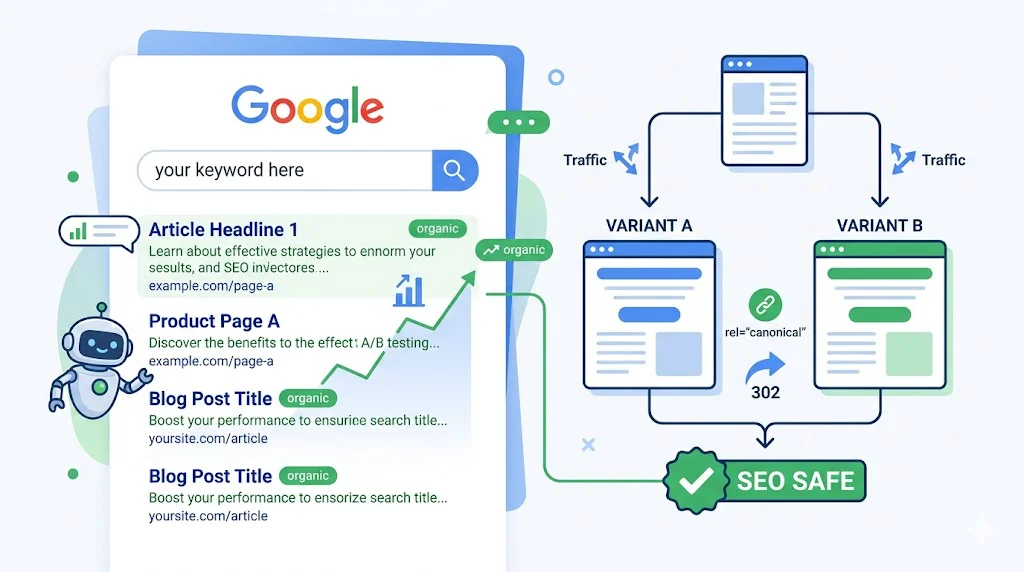
A/B testing done correctly does not hurt SEO rankings. Google explicitly supports website experimentation and has published guidelines for running tests safely. The key rules: never show different content to Googlebot versus real users (cloaking), use temporary redirects rather than permanent ones for URL-based tests, implement canonical tags to indicate primary page versions, and end tests within 30 days of starting. Follow these guidelines and A/B testing is fully compatible with maintaining organic search rankings.
Google's official guidance is unambiguous: they support A/B testing and multivariate testing, and their guidelines are designed to let you test freely without ranking penalties. The full guidelines are published on the Google Search Central documentation, but the core principles are:
rel=canonical tag so Google consolidates ranking signals.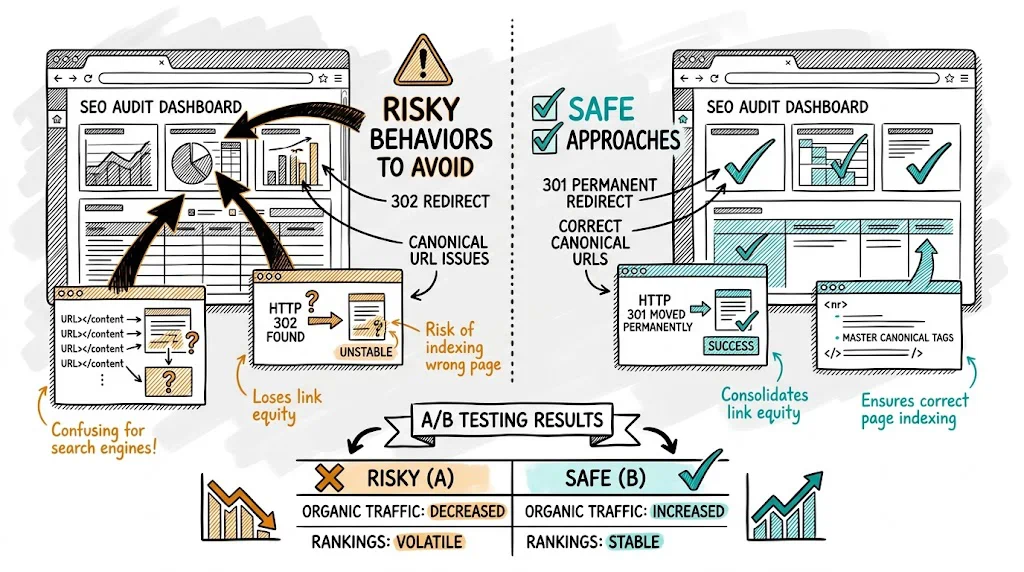
Cloaking means showing different content to search engine crawlers versus real users. This is Google's primary concern with A/B testing — if you're serving Googlebot the original page while real users see a radically different variant, you're misrepresenting your content to Google.
What cloaking looks like:
// WRONG: detecting Googlebot and showing different content
if (userAgent.includes('Googlebot')) {
  showControlVersion();
} else {
  showVariant();
}
What safe testing looks like:
The vast majority of A/B testing tools (CustomFit.ai, VWO, Optimizely) assign variants using cookies or session identifiers, not user-agent detection. Googlebot, being cookie-blind and not a regular visitor, will typically see the control version on most crawls — which is fine. The critical thing is that your code isn't specifically detecting Google and routing it differently.
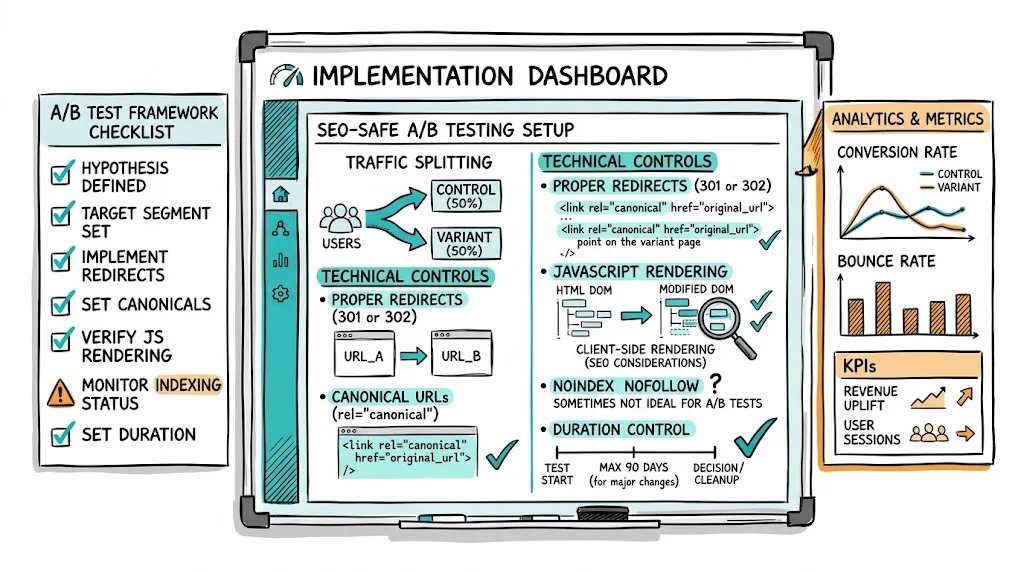
If your test creates different URLs (e.g., testing /collections/skincare vs /skincare-shop), use 302 redirects, not 301s. A 301 redirect tells Google the URL has permanently moved, transferring all ranking signals to the destination URL. A 302 says "temporarily located here" — Google understands this as a test.
Google has mentioned that tests running for "extended periods" can be problematic. The practical interpretation: end your test within 30 days of reaching statistical significance. Tests that run for 6+ months create genuine instability signals — search engines see a page changing significantly on repeated crawls with no clear settled state.
Low risk (safe to test freely):
Medium risk (test with care):
Higher risk (proceed carefully):
For most D2C ecommerce A/B testing — which focuses on product page layouts, CTAs, trust signals, and offers — the SEO risk is minimal. The content that Google cares about (product descriptions, category descriptions, structured data) is typically not what's being tested.
For Shopify stores using CustomFit.ai or similar client-side tools:
The canonical tag: Your Shopify theme already includes canonical tags by default. For most tests (same URL, variant delivered via JavaScript), your canonical setup requires no changes.
For redirect-based tests: If you're testing different URLs (uncommon in standard A/B testing but relevant for landing page tests), configure your testing tool to use 302 redirects and add the canonical pointing back to the original URL.
Content changes: When testing product page copy, ensure the variant doesn't remove content that ranks — particularly product-specific terms, ingredient lists, or structured data. Test additions and reframings rather than deletions when SEO is a concern.
Timing: Configure your test to end automatically after reaching significance or a maximum duration. Most professional testing tools support scheduled end dates.
For most D2C ecommerce stores, no. Crawl budget (how many pages Google crawls from your site per day) becomes a concern only for very large sites (millions of pages) or sites with significant crawl waste (duplicate pages, thin content, redirect chains).
For a typical Shopify D2C store with hundreds or low thousands of product pages, Googlebot will crawl your important pages multiple times per week regardless of testing activity. The occasional variant content Googlebot encounters is normal content variation — no different from updating your product descriptions.
Occasionally you'll face a genuine conflict: the version your A/B test identifies as the conversion winner isn't the version that's best for SEO.
Example: Your test shows that shorter product descriptions (150 words vs 500 words) convert 12% better. But your current longer descriptions rank well for long-tail keywords.
The resolution: Run both pages. Use the short version as your primary product page (for CVR), and either:
This is a judgment call that requires comparing revenue from the CVR improvement against revenue from the organic traffic you risk. CustomFit.ai's reporting helps you quantify the conversion revenue side of this calculation.
Never use robots.txt to block variants. This is a common well-intentioned mistake — blocking the /variant/ URL from crawling in robots.txt. It doesn't protect you from cloaking concerns (Googlebot never crawled the variant to begin with), and it signals that the content is low-quality or problematic.
Add the testing tool to your site audit. Run your favorite SEO crawler (Screaming Frog, Ahrefs) against your store while a test is running. Confirm that canonical tags are correct and that variant URLs aren't generating unexpected indexation.
Monitor Search Console during tests. Track your targeted pages' organic traffic during extended tests. Any ranking drops visible in Search Console during the test window are worth investigating.
Don't test on pages that drive significant organic revenue. If /skincare-serums generates ₹5 lakh/month from organic traffic, run lower-risk tests there initially. Test more aggressively on pages where organic traffic is minimal and paid or direct traffic dominates.