A landing page template is a repeatable structure — hero, benefits, social proof, CTA — that you adapt for different products, campaigns, and traffic sources. The right template matches the intent of the visitor who arrives on it. A shopper who clicked a Facebook ad expecting a limited-time offer needs a different experience than someone who searched "best vitamin C serum" on Google. For Indian D2C brands running ads and selling direct, having 2–3 proven templates saves weeks of design time and consistently outperforms one-size-fits-all product pages.
Template 1: The Product Hero Page
Best for: Single-product campaigns, new launches, paid social ads
Structure:
- Hero section — Product name, hero image/video, primary benefit in one line, single CTA button
- Social proof bar — "10,000+ happy customers | 4.7★ on Google | As seen in Forbes India"
- Problem → Solution — 2–3 sentences on the problem this product solves, specific to your audience
- Key benefits — 3 benefit tiles with icons (not features — translate features into outcomes)
- How it works — 3-step visual explanation
- Reviews — 3–5 customer testimonials, ideally with photos and names
- FAQs — 4–6 most common questions answered concisely
- Final CTA — Repeat the buy button with an urgency element ("Limited stock" or delivery date)
Indian D2C example: mCaffeine's product pages for their coffee face wash follow this template closely — hero video, benefit tiles (not ingredients), customer photos, and a floating "Add to Cart" bar on mobile.
Template 2: The Collection / Range Page
Best for: Category ad traffic, brand awareness campaigns, influencer links
Structure:
- Hero banner — Brand promise, seasonal or campaign context
- Category navigation — Quick-scroll to skin type, concern, or product category
- Featured products — 3–4 bestsellers with clear benefit labels
- Why [Brand] — 4–6 brand differentiators
- Full product grid — With filter options
- Reviews widget — Aggregated brand rating
- Brand story — 100–150 words, especially effective for founder-led D2C brands
- Final CTA — "Build your routine" or "Find your perfect [product]" quiz
Indian D2C example: Pilgrim's brand pages use category navigation by concern (oily skin, hyperpigmentation, anti-aging) rather than product type — this matches how Indian beauty shoppers search for solutions, not products.
Template 3: The Offer / Sale Page
Best for: Diwali, Holi, Republic Day, first-purchase discount campaigns
Structure:
- Offer hero — Discount amount, offer period, and urgency (countdown timer)
- Bestsellers under the offer — Pre-filtered to sale-eligible products
- Social proof — Number of orders this sale, positive reviews
- Offer conditions clearly stated — Minimum cart value, promo code (if required), exclusions
- FAQ — "Is this product included?" "Can I use my existing code?" type questions
- Final CTA — "Shop Now — Offer Ends [Day]"
Key principle: Sale pages must show the original price alongside the sale price (strikethrough pricing) for every product. Shoppers who arrive on a sale page are evaluating deal quality — make the saving obvious.
Template 4: The Comparison / vs Page
Best for: Brand comparison search traffic, decision-stage shoppers
Structure:
- Bold value statement — "Why 50,000 Indian shoppers switched to [Brand]"
- Comparison table — [Brand] vs [Generic Competitor] on key attributes
- Proof points — Certificates, lab tests, clinical claims with links
- Customer migration stories — Reviews from people who switched from competitor
- Risk-free trial offer — 7-day return policy, money-back guarantee
- CTA — "Try it risk-free"
This template is particularly effective for Ayurvedic and wellness brands competing against conventional alternatives (e.g., Kapiva vs pharma supplements, Neem-based skincare vs chemical formulations).
Elements Every D2C Template Needs
Regardless of template type, these elements must appear:
Message match. The headline on your landing page must echo the headline or promise in the ad that brought the visitor there. If your ad says "Get glowing skin in 7 days," your landing page must lead with that claim — not a generic brand tagline.
Single CTA per hero section. Multiple CTAs ("Shop Now / Learn More / Watch Video") split attention. One button, one goal, especially above the fold.
Trust signals near the CTA. "14-day returns | COD available | Secure payment" within 200px of your buy button removes last-second hesitation.
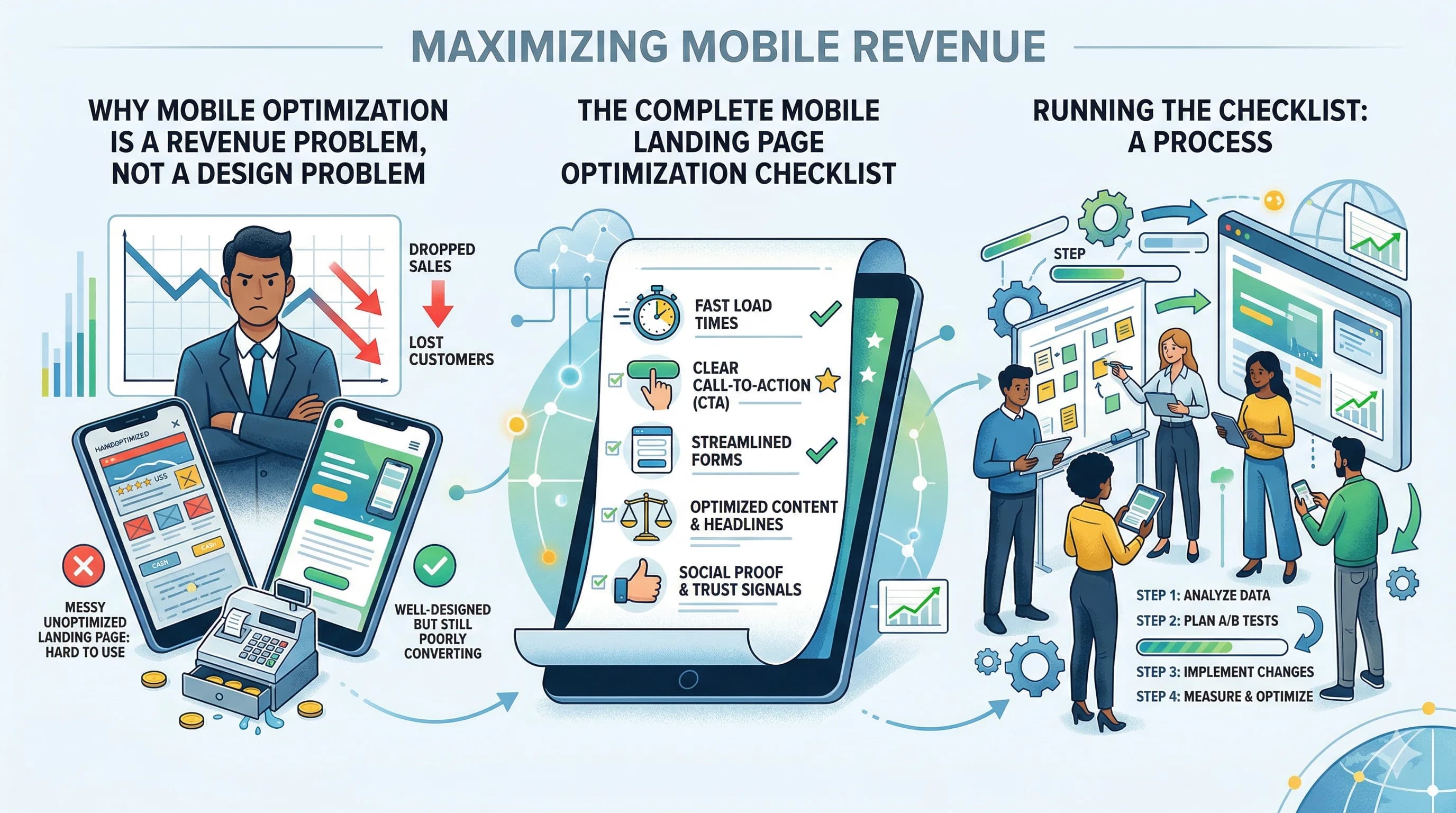
Mobile-first design. Over 70% of Indian D2C traffic arrives on mobile. Test your template on a 375px-wide screen. If the CTA is below the fold, you are losing conversions.
A/B Testing Your Templates
Once you have a working template, test individual elements:
- Hero image vs hero video
- Benefit-led headline vs feature-led headline
- CTA button copy: "Buy Now" vs "Add to Cart" vs "Try Risk-Free"
- Social proof type: Star rating vs customer count vs media mentions
Use CustomFit.ai to run these tests on any of your Shopify landing pages without developer help.
Tips / Best Practices
- Reuse templates but customize the hero image, headline, and reviews for each product or campaign — templating should save time, not produce identical pages
- Add a sticky add-to-cart bar that appears when the hero CTA scrolls out of view on mobile
- For D2C food, supplement, and Ayurveda categories, include a "What's inside" or "Ingredients" section — Indian conscious shoppers increasingly demand this
- Keep loading time under 3 seconds on mobile — use compressed images and lazy-load below-the-fold content
- Run the landing page through Google's Mobile-Friendly Test before launching any paid campaign against it
Key Takeaways
- Use template types that match traffic intent: product hero for paid social, collection page for category traffic, offer page for promotions
- Message match between ad copy and landing page headline is the single highest-impact landing page element
- Single CTA per hero section, trust signals near the buy button, and mobile-first design are non-negotiable
- Test individual template elements after the structure is validated — hero image, CTA copy, and proof type are your highest-leverage variables
- Indian D2C templates should incorporate COD availability, pincode-based delivery dates, and regional language options where relevant
Related reading: