From the conversion glossary
Concepts referenced in this article, defined.
Concepts referenced in this article, defined.
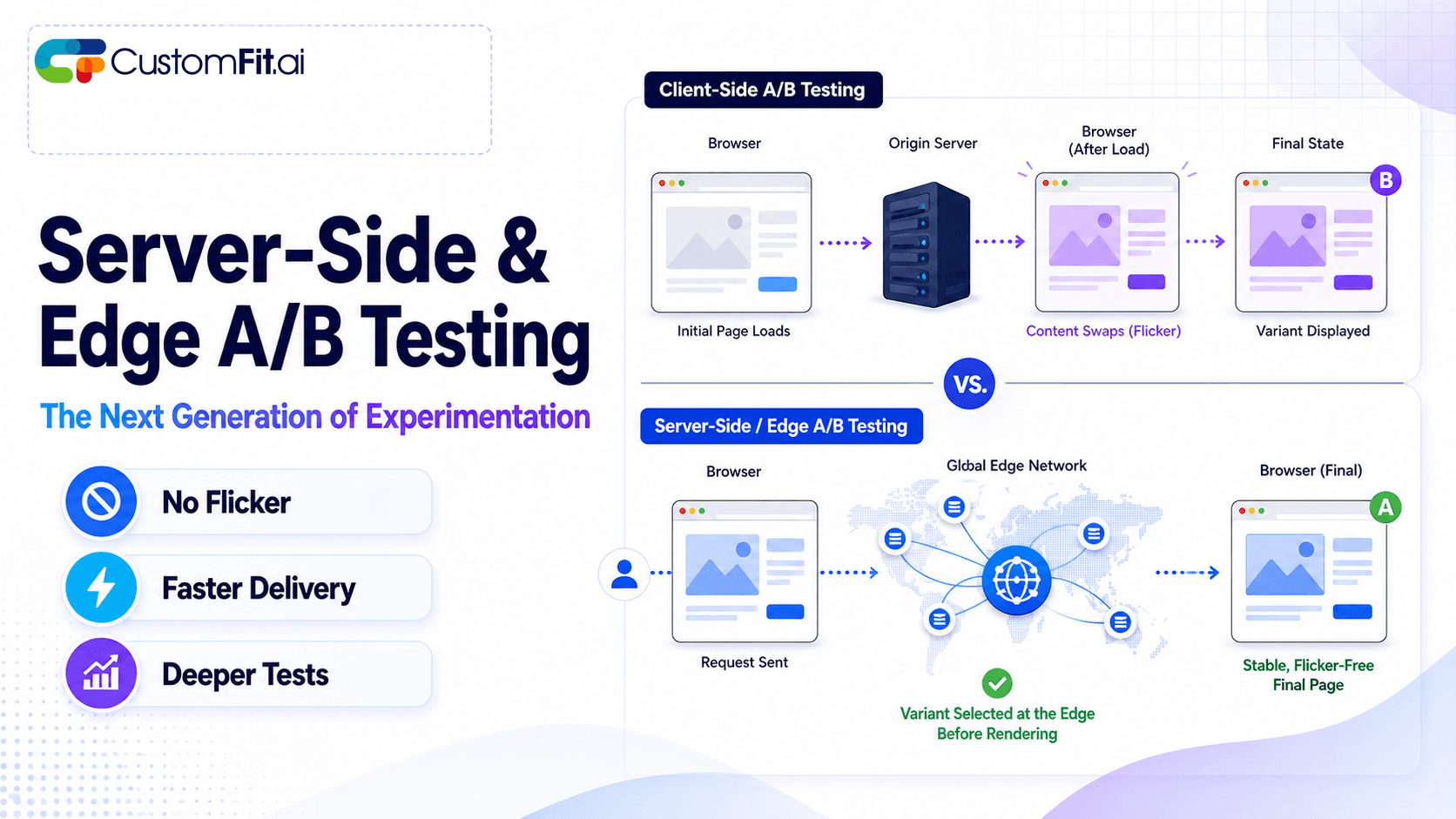 ab testing
Server-side A/B testing and edge experimentation explained - how they eliminate flicker, improve speed, and where they fit vs client-side testing.
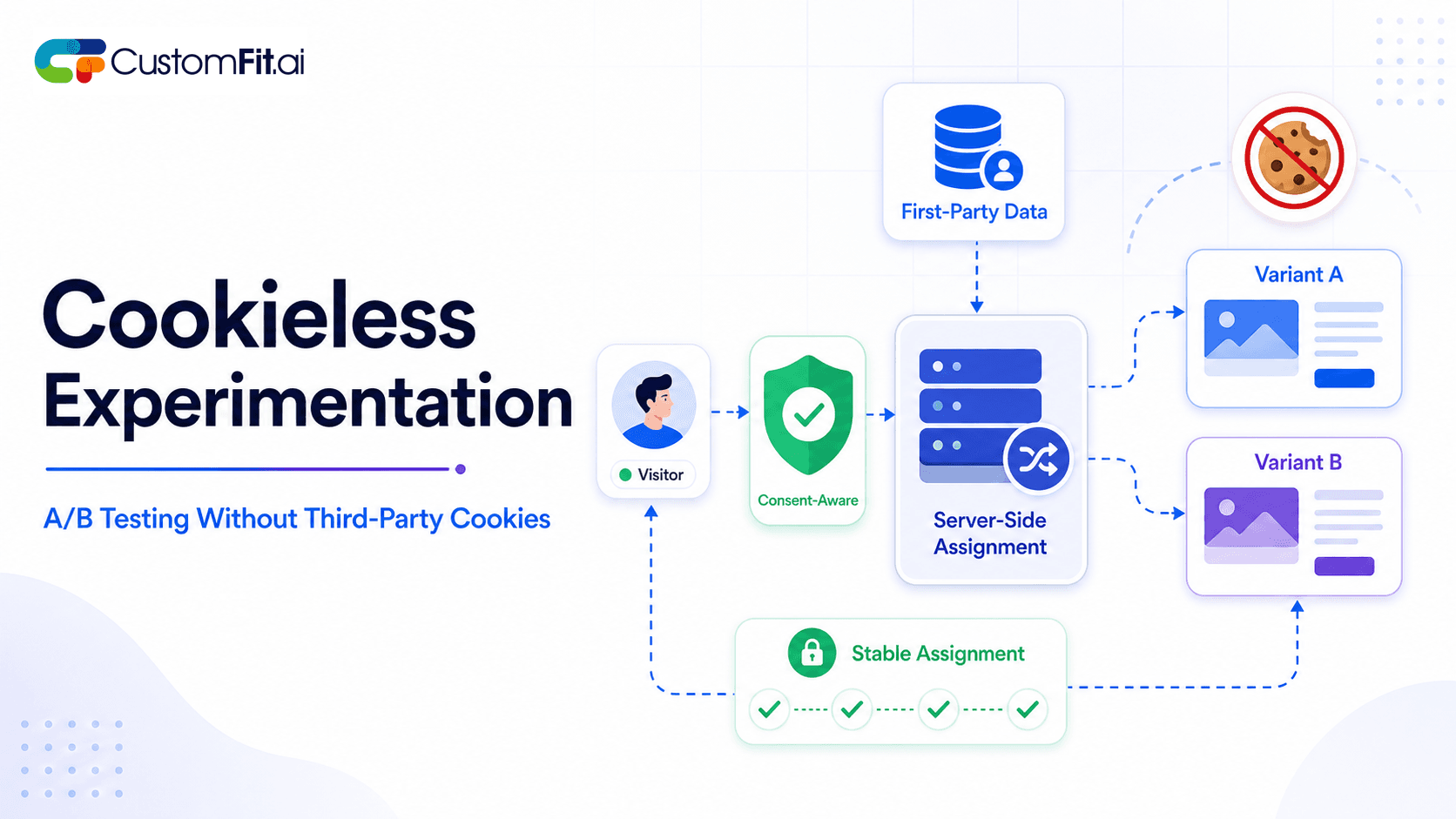 ab testing
How to run cookieless A/B testing correctly in 2026 - first-party data, GDPR compliant methods, and what actually changed with third-party cookies.
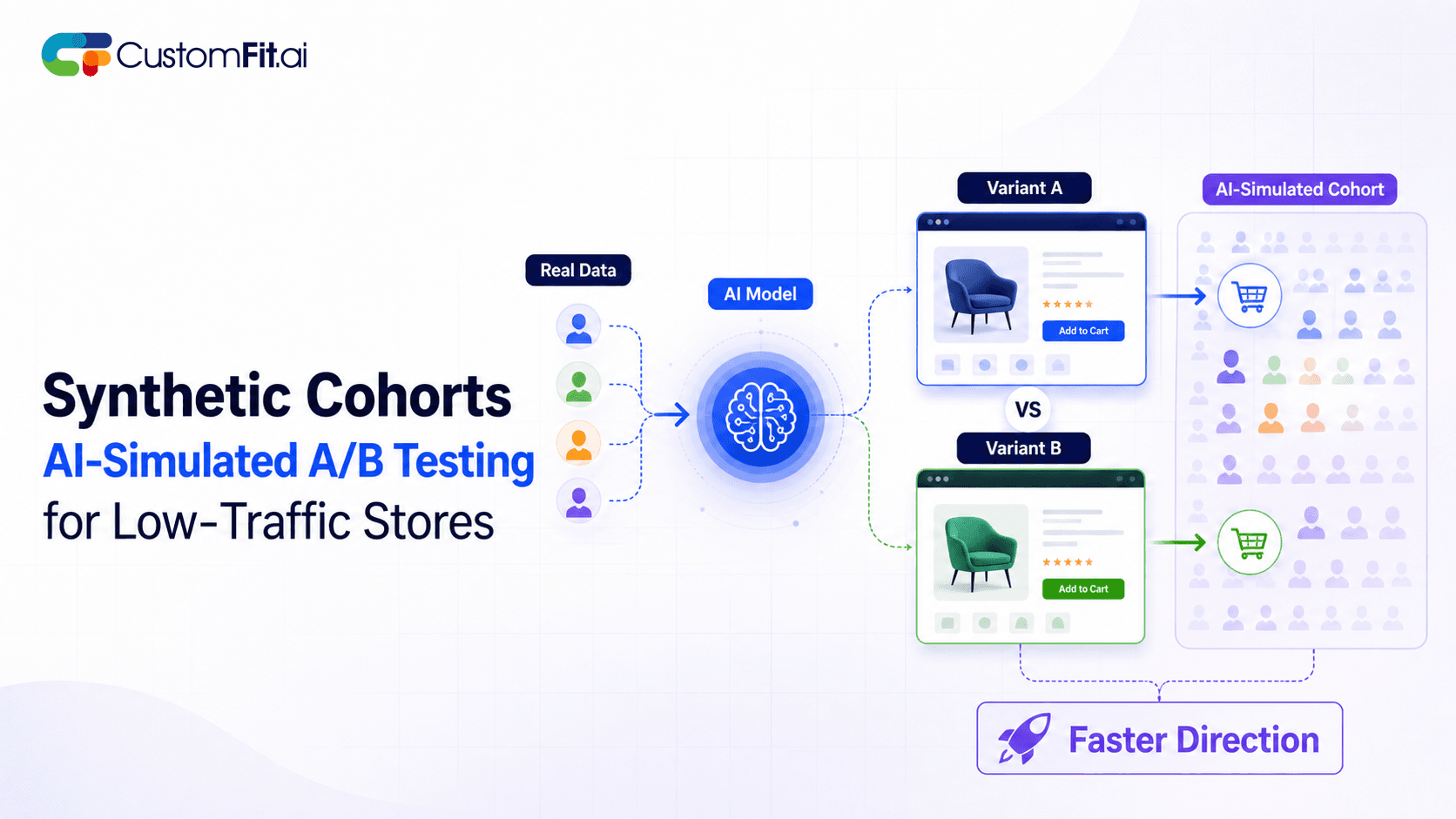 ab testing
Not enough traffic to A/B test properly? Here's how synthetic cohort testing and AI-simulated experimentation help low-traffic stores test with confidence.
Run rigorous A/B tests and personalize every visit on Shopify or any storefront — no engineers required.
A/B testing loyalty program offers means running controlled experiments on your loyalty rewards structure — comparing different reward types, thresholds, tiers, and communication strategies to find which drives more repeat purchases and higher lifetime value. Loyalty programs are among the highest-leverage CRO opportunities for D2C ecommerce: repeat buyers spend 5–7x more than first-time buyers, and even small improvements in repeat purchase rate compound dramatically over 12 months. Systematic loyalty testing distinguishes brands growing LTV from those watching acquisition costs erode margin.
Most ecommerce brands treat loyalty programs as a "set and forget" feature — they pick a points structure, launch it, and rarely revisit it. This is a mistake. The optimal reward structure is not obvious in advance, varies by product category and price point, and changes as your customer base matures.
Indian D2C brands face a specific challenge: price sensitivity combined with brand loyalty aspirations. Buyers on Nykaa, Mamaearth, and Kapiva often shop across multiple brands. Your loyalty program needs to be compelling enough to make your brand the default choice at repurchase time — and testing tells you what "compelling" means for your specific audience.
What systematic loyalty testing achieves:
This is the highest-impact variable and requires a longer test window (30–90 days):
Points vs. cashback:
Cashback is typically more transparent and drives higher perceived value. Points can drive higher aspiration when tied to status tiers.
Earning thresholds:
The minimum purchase threshold test reveals whether tiering purchasing behavior upward is worth potential friction.
Reward categories:
For multi-tier programs:
The same reward framed differently generates different behavior:
Urgency created by expiry typically drives redemption rates up 30–50%, but aggressive expiry policies can damage program perception. Test the balance.
Step 1: Define your success metric
Loyalty tests have multi-layer success metrics:
Step 2: Choose your test variable and hypothesis
Example: "I believe framing the loyalty email as 'You're ₹200 away from your next reward' (progress framing) will generate a 15% higher click-to-purchase rate than the current 'Your balance: 320 points' (balance framing) because progress toward a goal motivates action better than a static number."
Step 3: Split your member base
Use platform-level segmentation (LoyaltyLion, Yotpo, Stamped, or Shopify native) to randomly assign members to variants. Ensure the split is random across cohort age, spending tier, and product category — all of these correlate with repurchase behavior independently.
Step 4: Run for sufficient duration
Loyalty tests need 30–90 days depending on your average repurchase cycle. If your average customer buys every 60 days, you need at least 60 days of data to see meaningful repeat purchase rate differences.
Step 5: Analyze at the member level
Do not analyze at the campaign level (email opens, SMS clicks). Analyze at the member level: did members in Variant A make more purchases, spend more, and redeem rewards at higher rates than members in Variant B?
Kapiva: Tested cashback-first vs. points-first reward framing in post-purchase emails. Cashback framing ("₹49 credited to your account") drove 22% higher 60-day repurchase rate vs. points framing ("49 Kapiva Coins added").
Beauty brand (category pattern): Testing free product at 500-point threshold vs. ₹50 discount at 500-point threshold. Free product variant drove 18% higher enrollment rate but lower total 6-month spend. ₹50 discount variant produced 12% higher 6-month revenue per member.
Wellness brand pattern: Expiry reminder 30 days in advance vs. 7 days in advance. 7-day expiry notification drove 3x higher redemption in the notification window, but 30-day notification spread redemption across a longer period, producing smoother inventory impact.
Test reward redemption experience, not just structure. A well-designed reward that is hard to redeem fails. Test the redemption flow (one-click at checkout vs. manual code entry) and measure drop-off at each step.
Segment loyalty tests by buyer cohort. High-spenders (top 20% by LTV) respond differently to loyalty incentives than occasional buyers. Test program variants within cohorts before applying program-wide.
Use loyalty test learnings across channels. If cashback framing wins in your loyalty program, test it in your cart abandonment email and SMS. Insights transfer across touchpoints.
Test loyalty enrollment offers. The offer that gets customers to join the loyalty program has a huge impact on program quality. Test enrollment incentives: "Earn double points on your first purchase" vs. "Get ₹100 in rewards when you join."
Monitor the economics. Every loyalty test has a cost: rewards redeemed, operational overhead, and opportunity cost of different structures. Track gross margin per member alongside behavioral metrics to ensure test winners are actually profitable.
Test communication cadence. For most Indian D2C brands, one loyalty communication per week is sustainable. Test whether bi-weekly outperforms weekly in repeat purchase rate before increasing frequency.
Testing too many variables simultaneously. Changing the reward structure, tier thresholds, and email framing at the same time makes it impossible to know what drove the result.
Using short test windows. Calling a loyalty test winner at 7 days based on email CTR is not measuring loyalty behavior — it is measuring email engagement. Wait for actual purchase data.
Ignoring unprofitable segments. Some member segments will respond strongly to high-value rewards but never justify the cost. Test reward levels by segment, not just overall.
Not tracking redemption separately from earn. A program where members earn points but never redeem has a different problem than one where members redeem immediately. Diagnose which issue you have before testing a fix.
Related reading: