From the conversion glossary
Concepts referenced in this article, defined.
Concepts referenced in this article, defined.
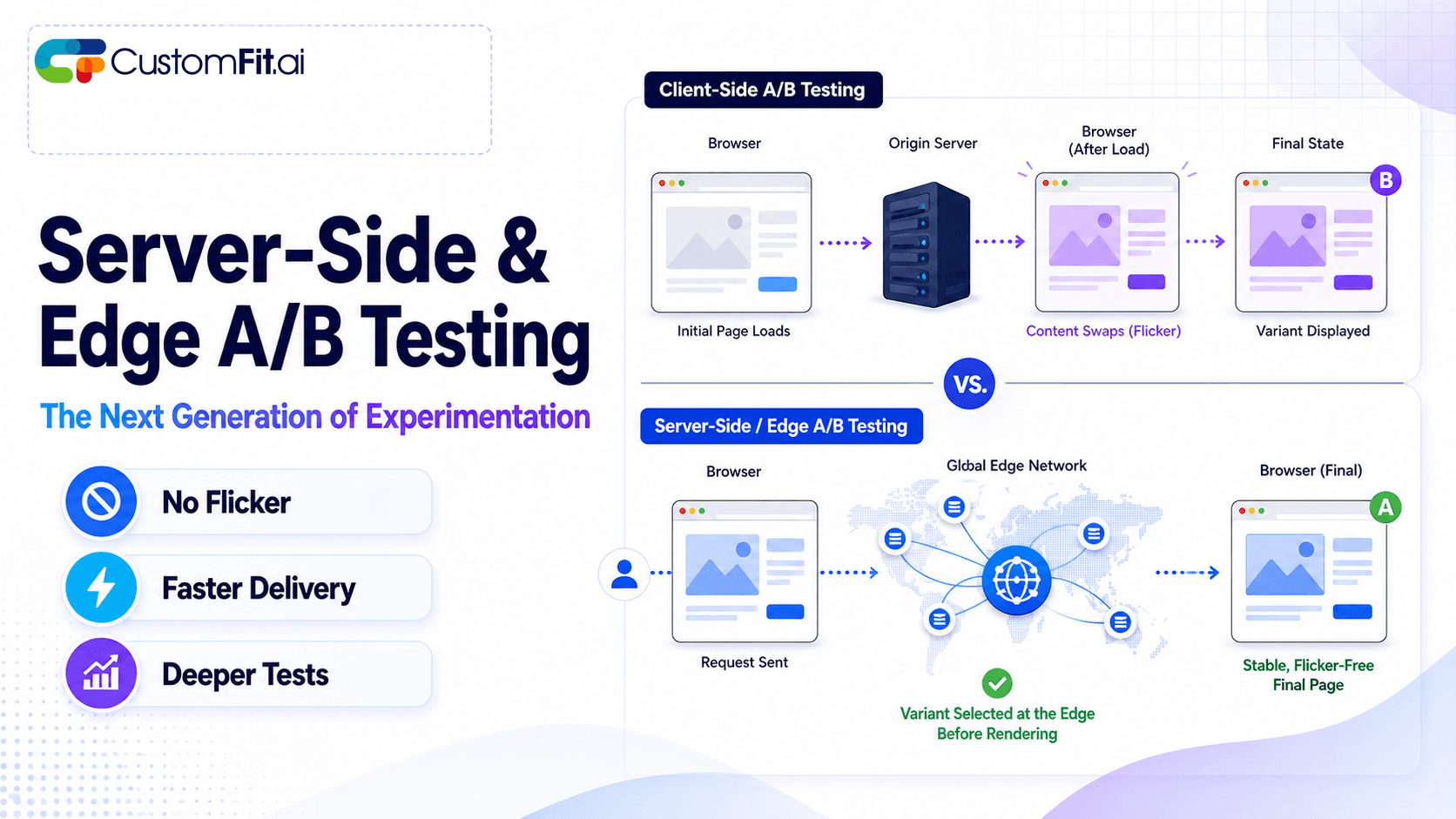 ab testing
Server-side A/B testing and edge experimentation explained - how they eliminate flicker, improve speed, and where they fit vs client-side testing.
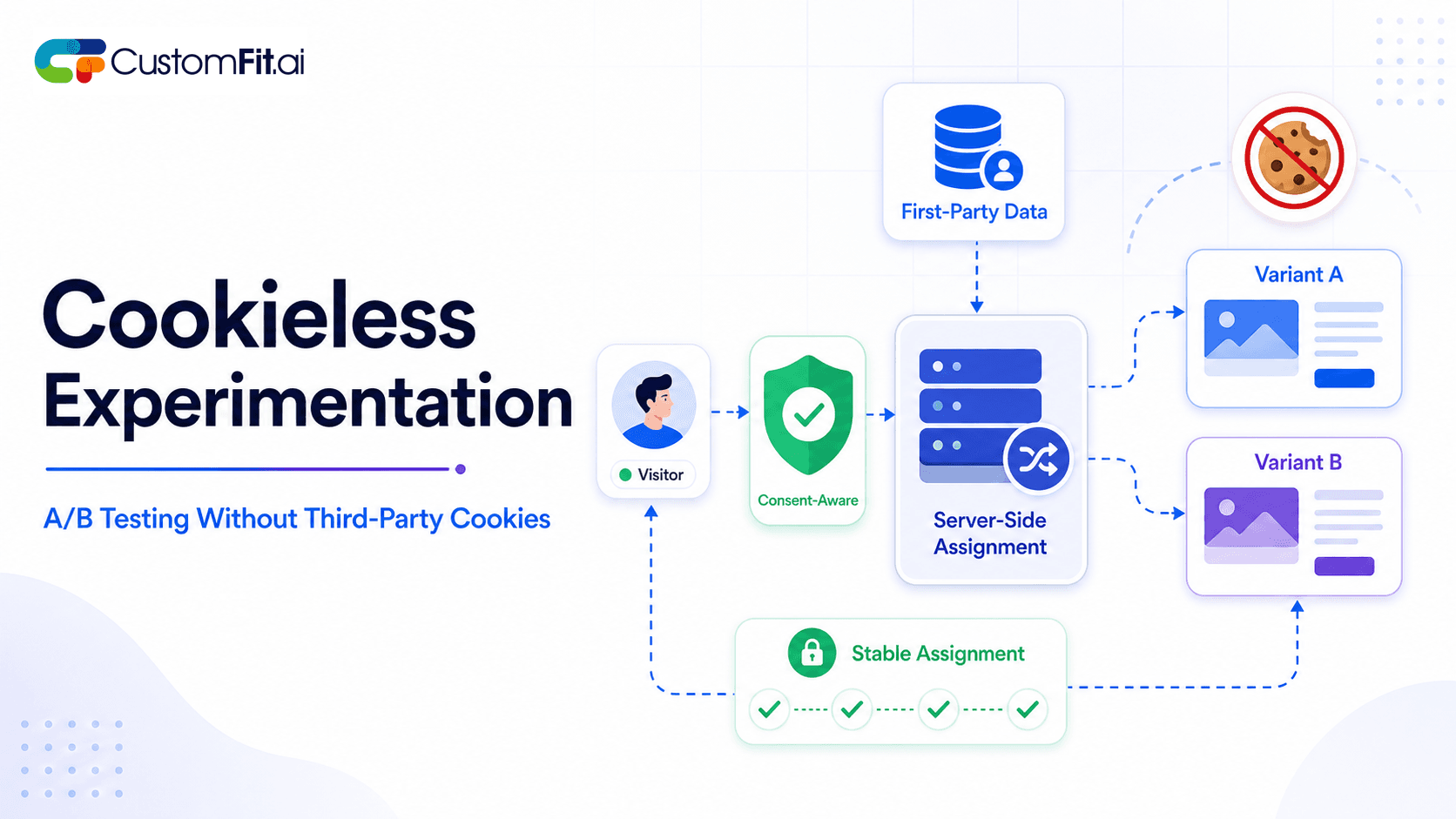 ab testing
How to run cookieless A/B testing correctly in 2026 - first-party data, GDPR compliant methods, and what actually changed with third-party cookies.
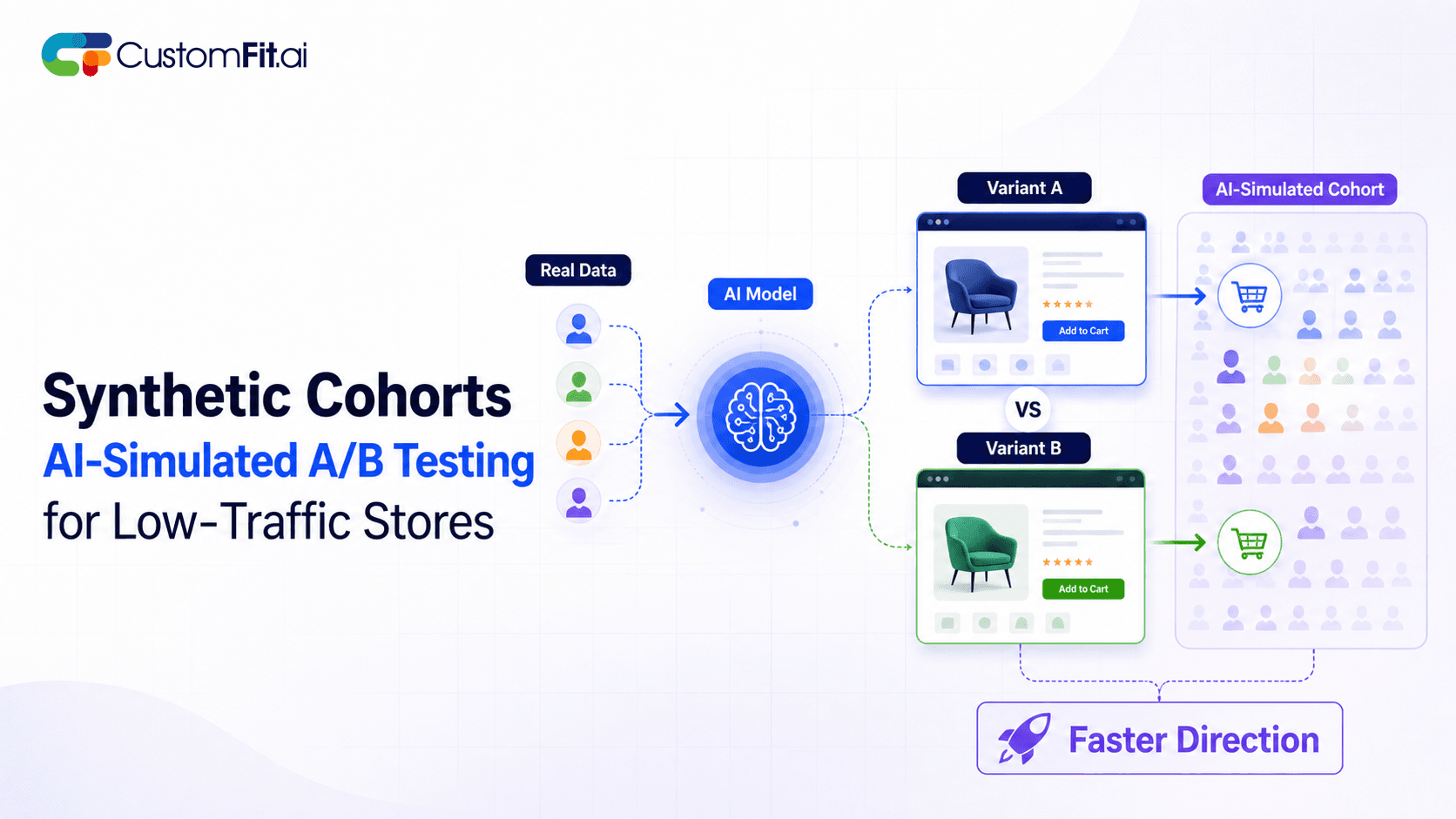 ab testing
Not enough traffic to A/B test properly? Here's how synthetic cohort testing and AI-simulated experimentation help low-traffic stores test with confidence.
Run rigorous A/B tests and personalize every visit on Shopify or any storefront — no engineers required.
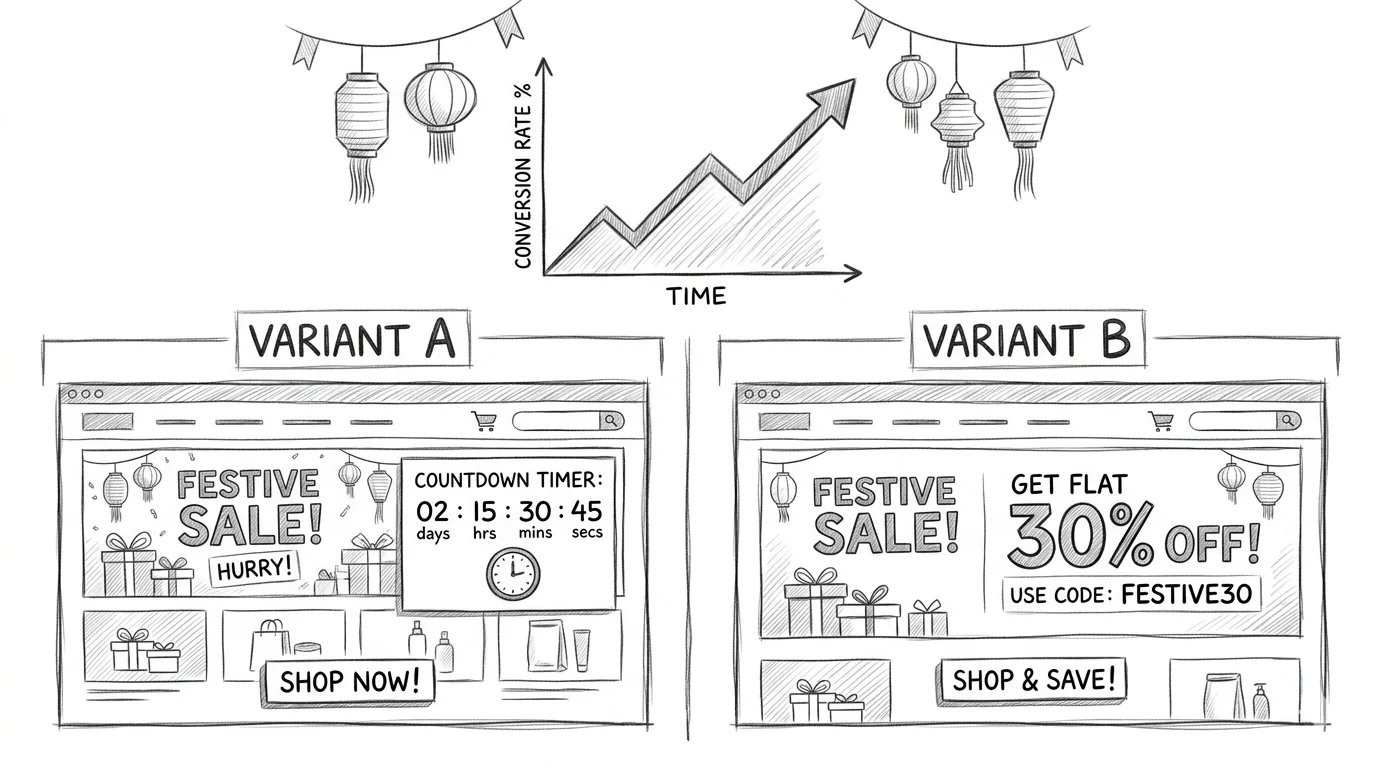
Running A/B tests during sales events means designing controlled experiments around time-limited promotional periods — Diwali, Big Billion Day, Republic Day sales, flash sales, and end-of-season events — where traffic spikes create both opportunity and risk. Done correctly, sale-period testing accelerates your learning program (high traffic = fast significance) and can directly lift event revenue by 10–20%. Done incorrectly, it wastes the highest-value traffic your store receives on inconclusive or misleading experiments.
Sales events are high-stakes for Indian D2C brands. A peak Diwali day can represent 10–15% of annual GMV for brands like Mamaearth, Nykaa, or Sugar Cosmetics. The traffic density means you can reach statistical significance in hours rather than weeks — but that same urgency makes it easy to make mistakes.
The opportunity:
The risk:
The solution is a two-phase approach: test before the event, deploy during the event.
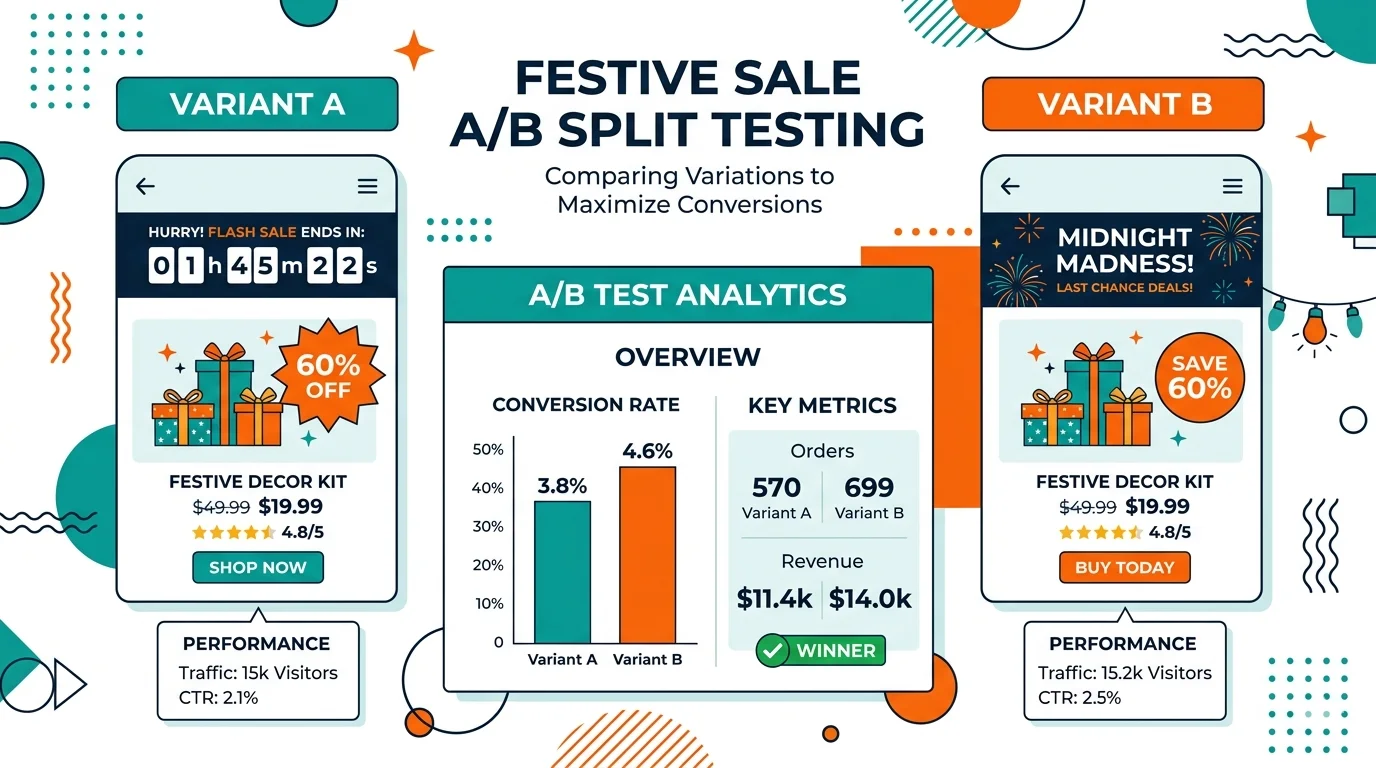
The 2–4 weeks before a major sale event is your testing window. Test everything you plan to use during the event and enter the sale period with proven winners.
Banner headline copy:
Countdown timer placement and format:
Discount framing:
Category page sorting and filtering:
Email, SMS, and push variants:
Run these tests on your normal traffic in the weeks before the event. Enter Diwali with winning variants deployed.
During active sale events, apply specific constraints:
Multi-armed bandit experiments are more appropriate than fixed A/B tests during events. MAB adapts traffic allocation in real-time, minimizing revenue lost to underperforming variants during your most valuable traffic window.
Communication format tests (email vs. WhatsApp vs. push for same announcement) — these are low-risk tests that do not affect on-site conversion during the message delivery window.
Post-event-start offers — if you have a dynamic offer structure ("sale extended by 4 hours"), test the announcement format without affecting base conversion flow.
Flash sales (4–24 hours) create extreme time pressure. Your approach depends on your traffic volume:
High traffic (10,000+ visitors during sale):
Medium traffic (2,000–10,000 visitors):
Low traffic (under 2,000 visitors):
Sale-period visitors are self-selected — they arrived because of your promotional signal (email, ad, social). They are more price-sensitive, more urgency-driven, and have higher purchase intent than your average visitor. A test winner during a Diwali sale may not perform the same in December.
Solution: Treat sale-period test results as supplementary data, not primary optimization signals. Validate winners on normal traffic before making permanent changes.
Any new element on your site may generate clicks simply because it is new. During high-traffic events, this novelty effect can be statistically significant without reflecting genuine preference. Test elements that have also been seen during pre-event traffic.
When you see a massive CTR difference at hour 6 of a 24-hour flash sale, the temptation to call a winner and maximize revenue is strong. Resist unless you have reached your pre-specified sample size — early results during high-variance periods are notoriously unstable.
A recurring pattern across Bellavita, mCaffeine, and similar brands:
Pre-Diwali (October 1–15): Test 3 variants of the sale announcement banner and 2 variants of email subject line. Winner deployed on October 15.
Pre-launch (October 16–23): Test the landing page headline ("Diwali with us" vs. "Biggest sale of the year") and countdown timer placement. Winners locked in.
Diwali week (October 24–31): Only MAB testing on above-the-fold CTA copy. All structural elements frozen. Communication tests running in parallel (push vs. email timing).
Post-Diwali (November 1–15): Analyze sale-period data for behavioral insights. Extract 3–5 hypotheses for normal-traffic testing in November.
This phased approach captures the learning opportunity without risking peak-event revenue on structural experiments.
Build a "sale event test bank." Keep a running list of hypotheses specifically for sale periods. These are elements you cannot test at normal traffic levels (short duration, specific messaging) — save them for event windows.
Freeze your winning experience 48 hours before peak. Make no further changes to your site in the 48 hours before your largest sale starts. Unexpected bugs, layout shifts, or performance issues from late changes are a larger risk than the potential gain from any last-minute test.
Use session recordings, not just conversion data. Heatmaps and session recordings during sale events reveal qualitative insights (where users scroll, what they click, where they drop off) that inform future test hypotheses without requiring large sample sizes.
Run post-event retrospectives. Within 1 week of every major sale event, document: what you tested, what won, what failed, and what you wish you had tested. This becomes the foundation for next year's event testing program.
Test post-sale "transition" messaging. The 48 hours after a sale ends is a testable period — when you move from "sale over" to "back to normal pricing." Testing how you communicate this transition (urgency vs. "new arrivals" vs. back-in-stock messaging) can capture intent that survives past the sale window.
Related reading: