From the conversion glossary
Concepts referenced in this article, defined.
Concepts referenced in this article, defined.
 ai ecommerce
How reinforcement learning personalization works for ecommerce - self-learning targeting that improves with every visitor, and how it differs from rules.
 ai ecommerce
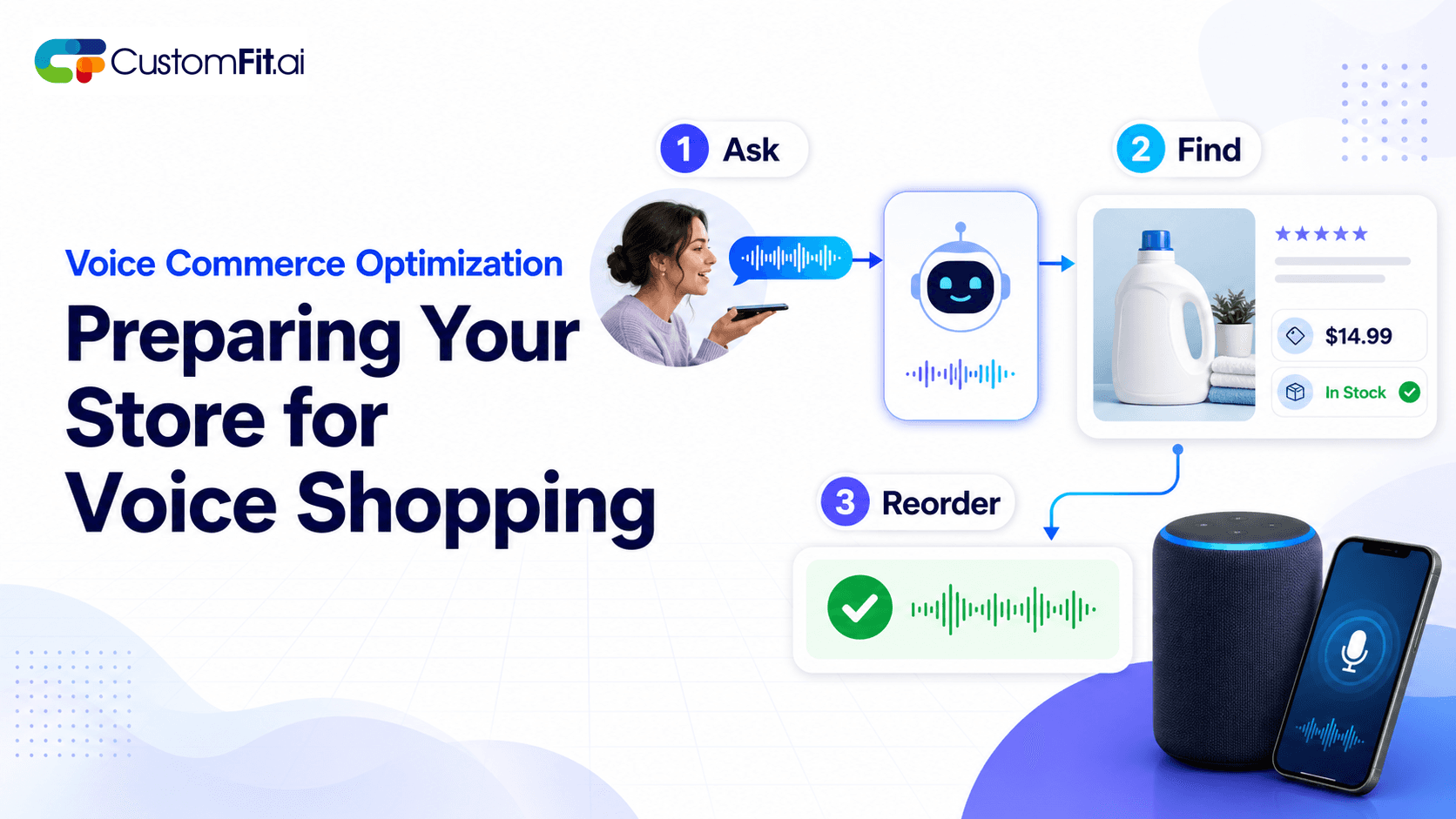
A practical guide to voice commerce optimization - how to prepare your product pages, catalog, and UX for Alexa, Siri, and voice-first shopping.
 ai ecommerce
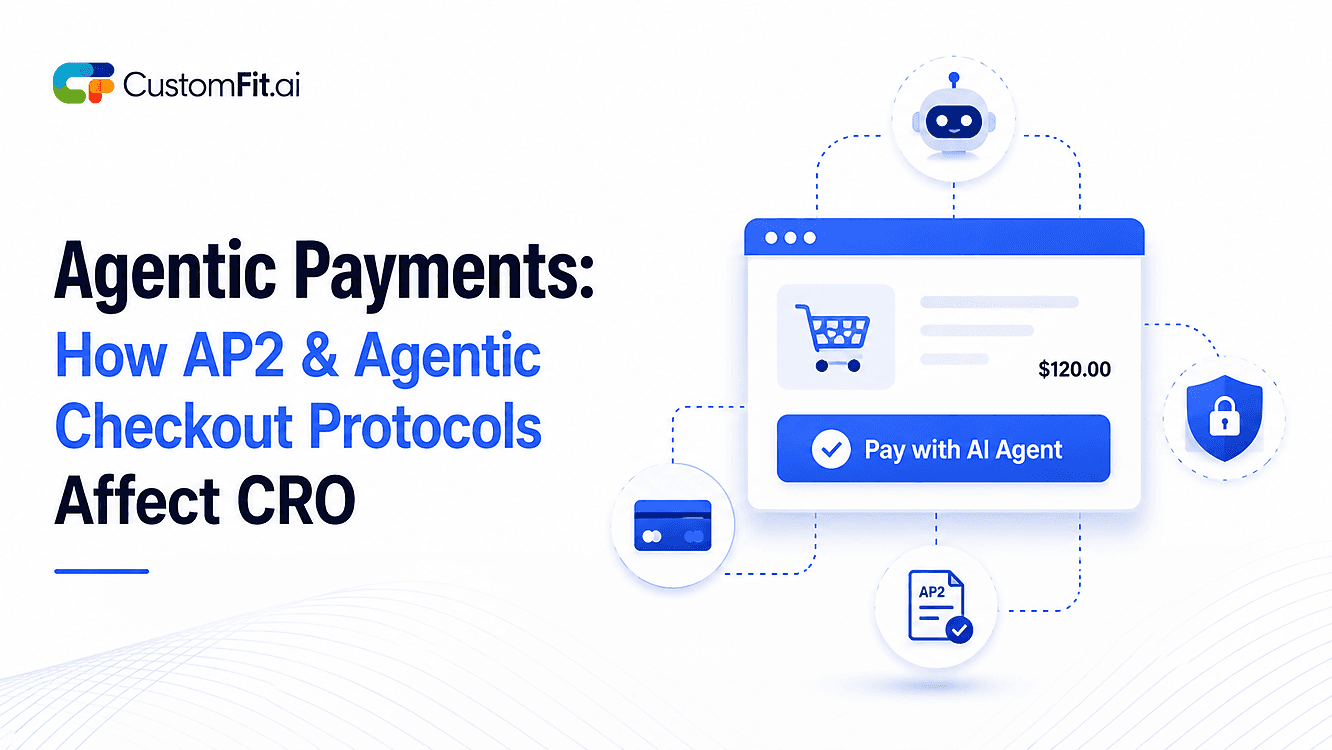
How agentic payments and Google's AP2 protocol are changing checkout and what ecommerce brands need to know about AI agent payment authorization and CRO.
Run rigorous A/B tests and personalize every visit on Shopify or any storefront — no engineers required.
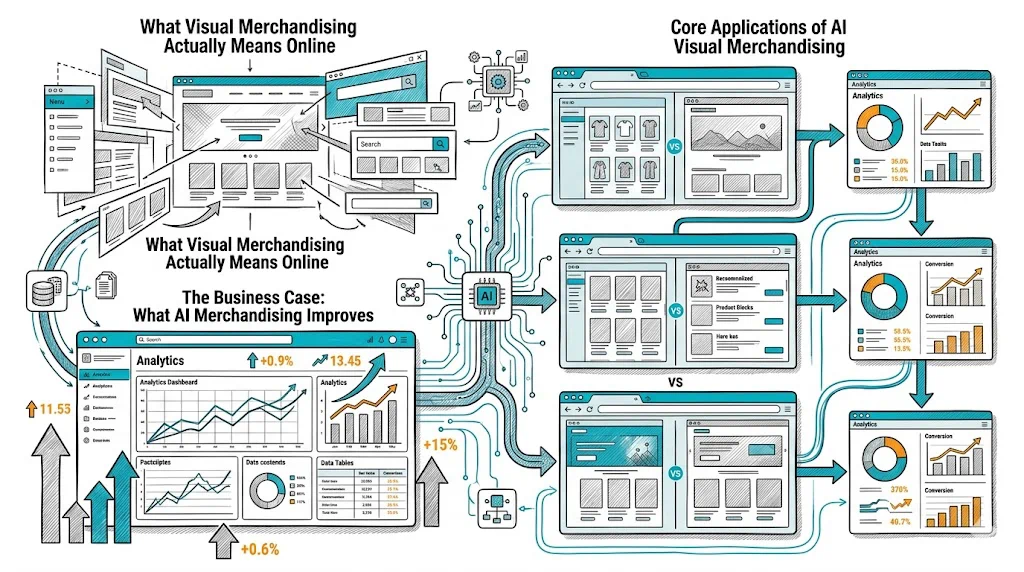
AI visual merchandising for online stores automatically arranges product catalogs, category pages, and recommendation blocks based on what actually drives purchases — replacing the static, manually-curated layouts that most Shopify stores rely on. For Indian D2C brands, this means product discovery improves, average order value increases, and buyers find relevant items faster without the brand having to hire a dedicated merchandising team. The technology has moved from enterprise-only to accessible for stores at any scale.
In physical retail, visual merchandising is the art and science of how products are arranged on shelves and displays. Eye-level placement, end-cap displays, cross-category adjacencies — all carefully planned to move merchandise and increase basket size.
Online stores have the same challenge but more complexity:
Most Shopify stores handle this with:
AI visual merchandising replaces this with continuous, data-driven optimization.
Average Order Value (AOV): Better cross-sells and upsells surface complementary products buyers actually want. Chargebee reported a 40% AOV improvement from personalized recommendation blocks. For a D2C brand with ₹1,200 average order, moving to ₹1,680 without changing prices is significant.
Category Page Conversion Rate: Showing the most relevant products first (vs. "newest" or "best selling" generically) increases the chance buyers find what they want faster. Fewer buyers hit the end of a page and leave.
Product Discovery: Many SKUs in a large catalog are never discovered — they sit on page 3 of a category with no visibility. AI merchandising surfaces these products to the right buyers at the right time.
Return Rate: When buyers find products that actually match their needs (through better search and merchandising), return rates drop. A buyer who bought the right shade of foundation returns less.
Instead of showing products in a fixed order, AI dynamically sorts category pages based on:
Example: A visitor who previously viewed premium skincare products lands on your "Moisturizers" category. AI puts premium moisturizers at the top, not the ₹199 entry-level options.
Example: During Diwali, a buyer who searched for "gift" gets category pages sorted to show gift sets and premium packaging variants prominently.
Recommendation blocks ("You might also like," "Complete the look," "Often bought together") are standard on most stores but often poorly configured.
AI recommendations go beyond simple collaborative filtering ("customers who bought X also bought Y") to incorporate:
This personalization can increase recommendation click-through rate by 30–50% compared to generic recommendations.
The homepage is shown to everyone but can be personalized to each visitor:
AI merchandising engines handle this personalization automatically, feeding different homepage product blocks to different visitor segments.
When a buyer searches for "face serum," the order of results matters enormously. AI merchandising in search:
This connects directly to AI search optimization.
AI can automatically assemble product collections based on visual and semantic similarity — "complete the look" bundles, seasonal collections, or "shop by concern" groupings.
Instead of your team manually building a "Diwali Gifting" collection, AI identifies which products have the visual aesthetic and price points suitable for gifting and assembles the collection automatically.
Nosto — Comprehensive personalization and merchandising platform. Handles category sorting, recommendations, search, and email. Strong enterprise option. Custom pricing.
LimeSpot — Accessible for SMBs, good Shopify integration, AI recommendations and upsells. ~₹3,000–₹8,000/mo.
Visually — Focused on visual merchandising specifically, good for brands with strong aesthetic identity. ~₹5,000–₹15,000/mo.
Recombee — Recommendation engine that can be integrated with Shopify. Developer-friendly, flexible. Custom pricing.
CustomFit.ai — For the personalization layer without complex merchandising setup, CustomFit.ai lets you configure which products different visitor segments see on key pages, connecting behavioral data to display logic without code.
Step 1: Audit current performance
Step 2: Define your business rules AI works within parameters you set:
Step 3: Choose your entry point For most D2C brands, start with one of:
Don't try to implement everything at once. Start where buyer intent is highest.
Step 4: Set up A/B tests Never deploy merchandising changes without measuring impact. Test:
Use CustomFit.ai to run these tests without developer support.
Step 5: Measure and iterate Track weekly:
Festive season automation: Configure rules that automatically surface festive products when buyers arrive during October–November. No manual collection building required.
Regional preferences: If your customer base includes buyers from different regions, AI can identify that buyers from certain geographies prefer certain product types and adjust category sorting accordingly.
COD vs. prepaid buyers: COD buyers often have different price sensitivity. AI merchandising can show more affordable options prominently to buyers who select COD at checkout (useful for preventing cart abandonment in subsequent visits).
New product launches: New products often get buried in large catalogs. AI can identify buyers who are likely to be interested in new launches based on their category preferences and surface new products in their browsing experience.
AI visual merchandising is most powerful when connected to your full personalization strategy:
CustomFit.ai connects these signals to create a complete personalization program, with AI merchandising as one component of the visitor experience.