From the conversion glossary
Concepts referenced in this article, defined.
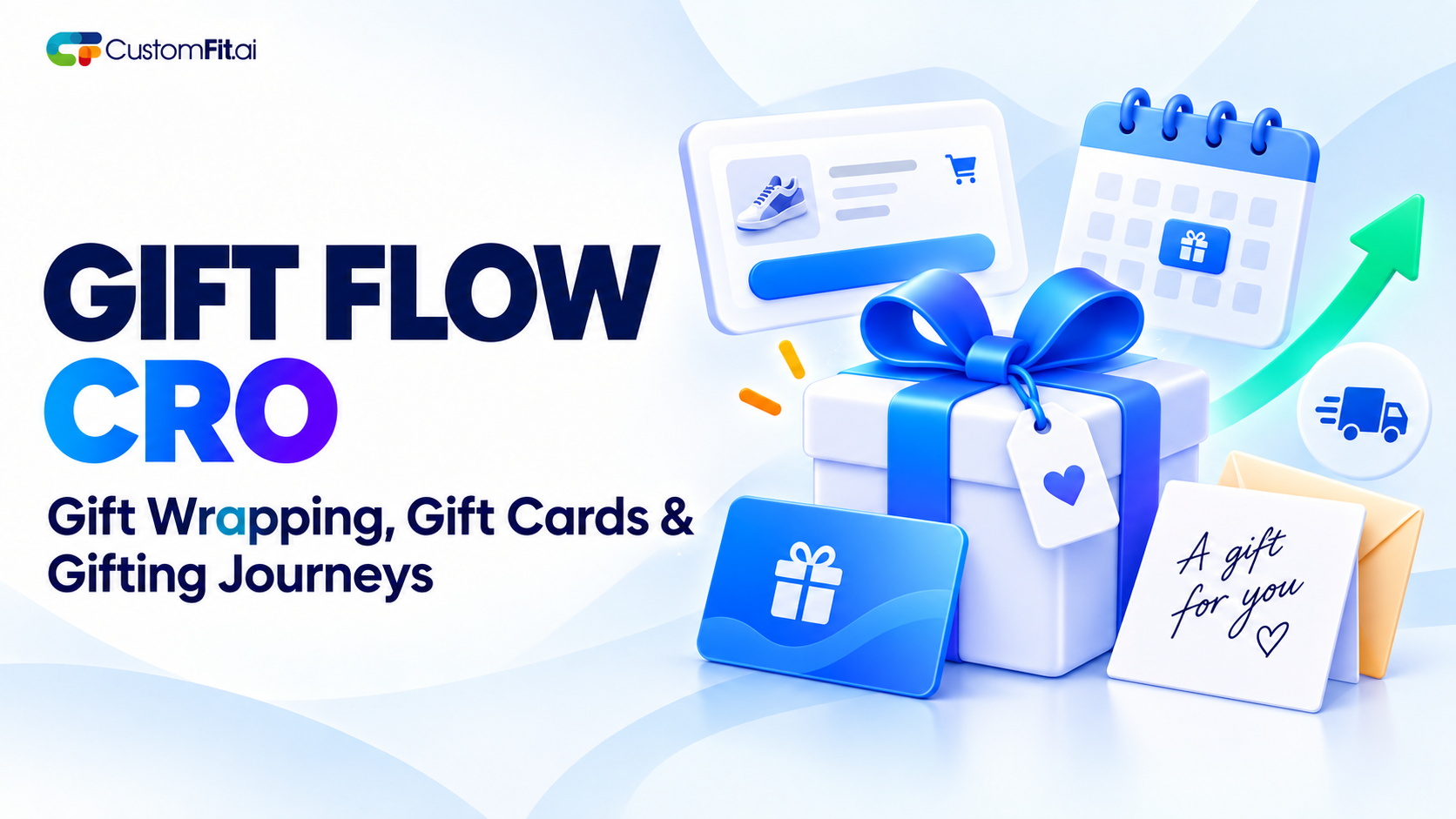
Gift flow CRO ecommerce strategies to optimize gift cards, gift wrapping, and the gifting journey so shoppers buying for others actually convert.
Concepts referenced in this article, defined.
Run rigorous A/B tests and personalize every visit on Shopify or any storefront — no engineers required.
Someone shopping for themselves and someone shopping for their sister's birthday are, functionally, two different customers using the same website. Most stores build one checkout flow and hope it works for both. But the gift buyer has extra questions the self-buyer never asks: will this arrive on time, can I hide the price, and is there a way to add a note? If your site does not answer those questions clearly, that shopper hesitates or leaves.
Gift flow CRO ecommerce means designing specifically for that second customer instead of treating gifting as a checkbox bolted onto a standard checkout.
A gift purchase carries more anxiety than a self-purchase. The buyer is choosing for someone else, worrying about timing, and often trying to keep the price hidden from the recipient. Each concern can create hesitation when your site ignores it. Addressing those concerns makes the decision easier.
Gift cards are one of the highest-margin, lowest-friction products a store can sell. Yet many stores bury them in a footer link and send shoppers to a bare page without the trust-building details given to their main products.
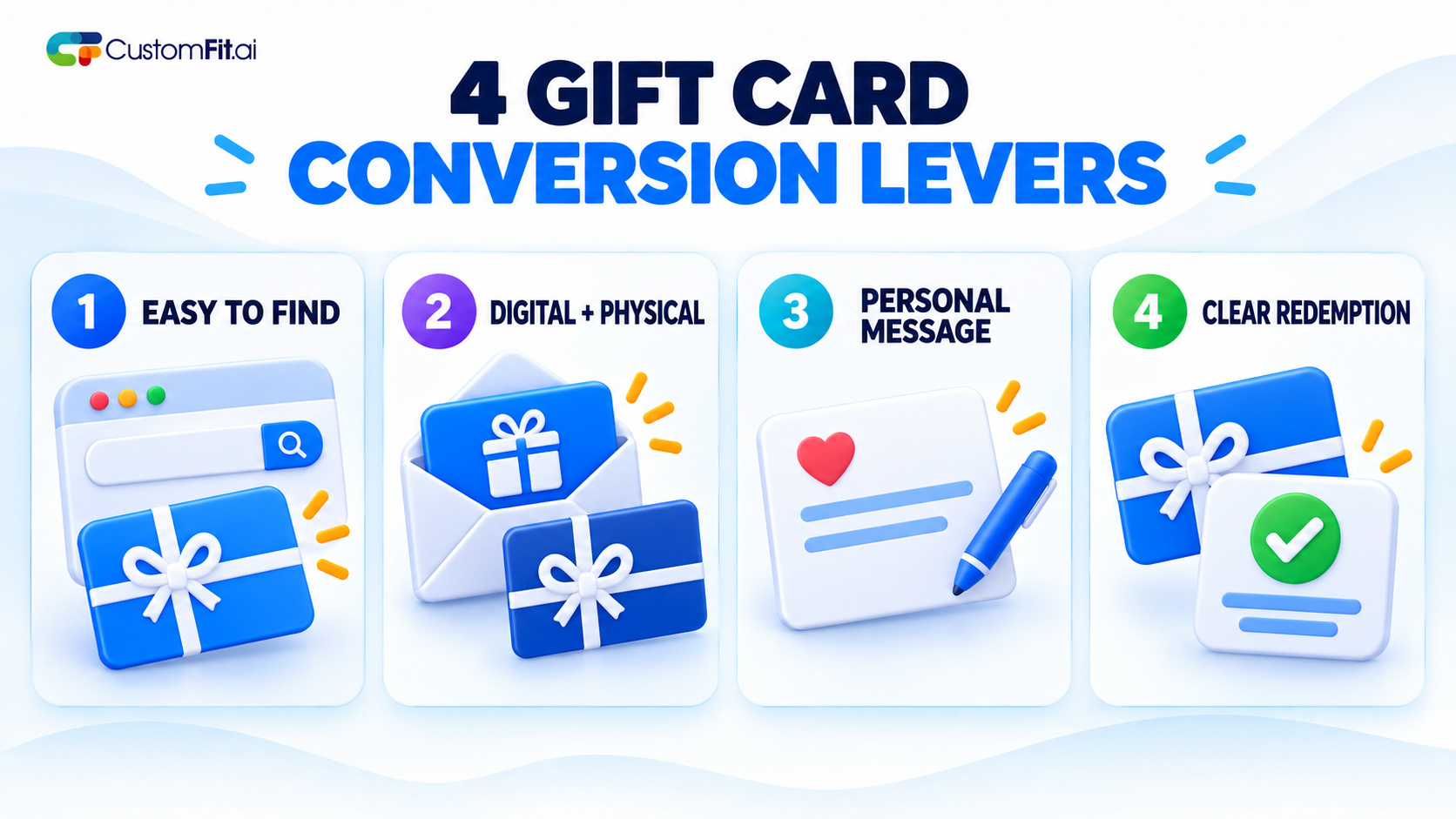
Make gift cards easy to find, not merely available. If a shopper must search specifically for "gift card," you lose people who would have bought one if the option appeared during normal browsing. A prominent navigation link or a suggested add-on during checkout can capture that intent.
Offer both digital and physical delivery clearly. A last-minute gift buyer needs an immediate digital option. Someone planning ahead may want a physical card they can wrap. Showing both paths captures both kinds of intent.
Let the sender personalize the message. A gift card that arrives as a bare transactional email feels impersonal. A short custom note field, shown clearly before purchase adds real perceived value at almost no cost to the store.
Show the balance and redemption process clearly. Confusion about how to redeem a gift card or check its remaining balance creates a poor first experience for the recipient, who may also be a new customer.
Surface it at the right moment. Offering gift wrap on the product page can feel premature before a shopper has decided to buy. Offering it after payment is too late. A cart or the start of a checkout is usually the sweet spot.
Price it transparently. A gift-wrap option that adds an unclear or arbitrary fee at the final checkout step creates the exact kind of surprise-cost friction that hurts conversion. State the price where the option is offered.
Let shoppers wrap items differently within one order. Someone buying for multiple people should not be forced into an all-or-nothing choice. Letting shoppers select wrapping per item, where feasible, removes a real barrier for holiday and multi-recipient orders.
Confirm it in the order summary. A shopper who paid for gift wrapping wants confidence that it will happen. Showing it explicitly in the confirmation email and order summary reduces post-purchase anxiety and support requests.
Address timing anxiety directly. "Order by [date] for guaranteed delivery by [occasion]" answers the biggest unspoken question a gift buyer has at the moment they are deciding whether to buy. Without it, they are left guessing.
Offer a way to hide pricing from the recipient. A packing slip or receipt that reveals the price can undermine the gift. State clearly that invoices for gift orders do not include prices.
Make returns and exchanges gift-friendly. A recipient who needs a different size should not have to track down the buyer's order details. A simple gift-receipt-based return option improves the experience for the person you want to become a repeat customer.
Build a shop-by-recipient or shop-by-occasion path where it fits. For stores with a broad catalog, letting someone filter by "gifts for him," "gifts under $50," or "gifts for a new parent" reduces the decision paralysis gift buyers often face.
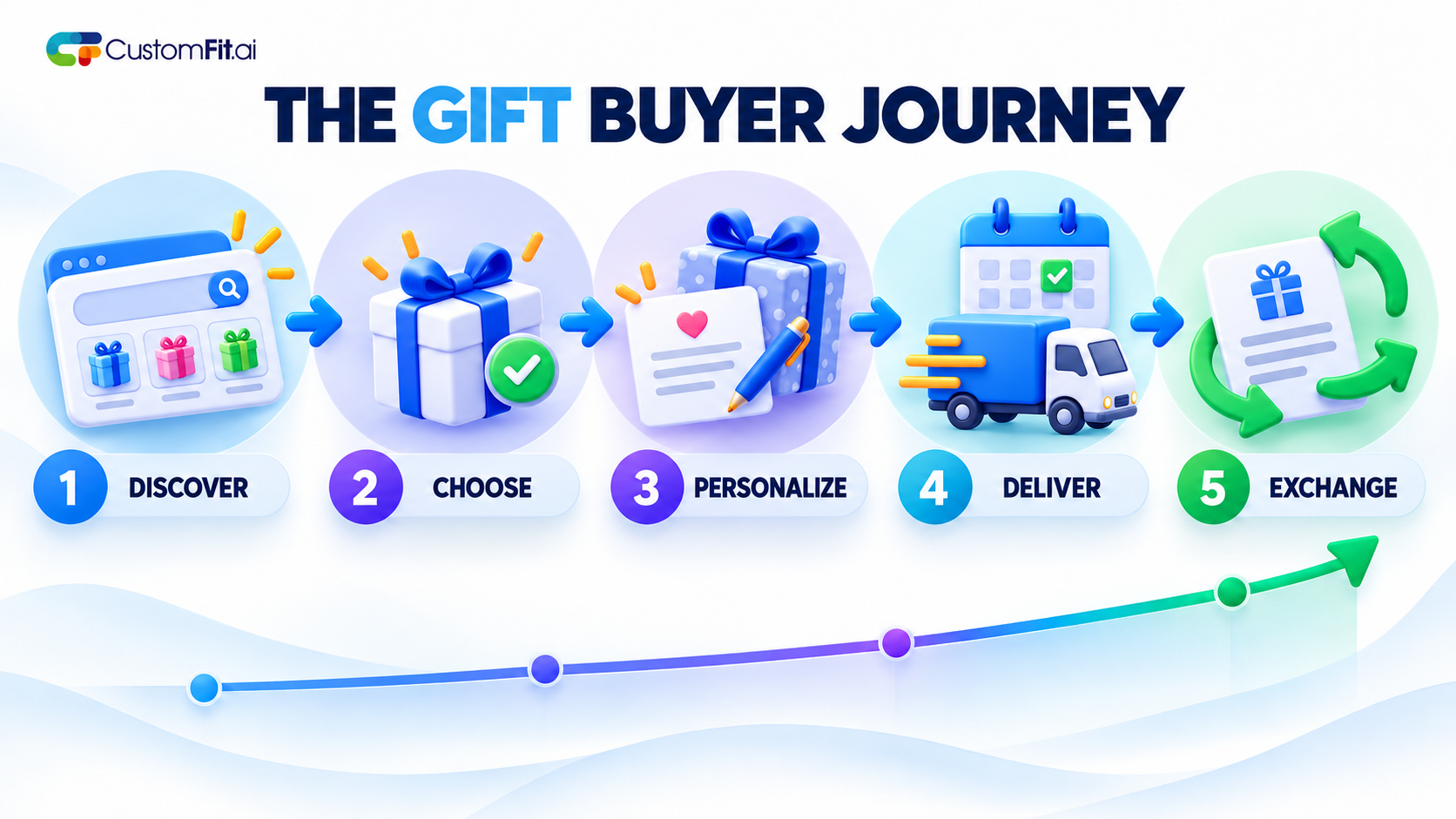
The most common mistake is treating gifting as a single yes-or-no checkbox without changing anything downstream. The checkbox exists, but the packing slip, delivery messaging, and return policy stay identical for every order.
The second mistake is underinvesting in the gift card experience. For many stores, it is one of the easiest high-margin opportunities still left mostly unoptimized.
Gift flow CRO ecommerce is not only a seasonal concern. Gift purchases happen throughout the year and carry friction that a standard checkout does not address. Treat the gift buyer as a distinct customer with specific concerns about timing, presentation, privacy, and returns. That gives shoppers the confidence to complete the purchase.