From the conversion glossary
Concepts referenced in this article, defined.
Concepts referenced in this article, defined.
 cro
croPre-order waitlist CRO strategies that convert hype into real revenue - how to design waitlist and pre-order pages that don't lose momentum before launch.
 cro
croFirst purchase experience optimization - practical strategies to turn first-time visitors into buyers, from welcome offers to a smarter new customer funnel.
 cro
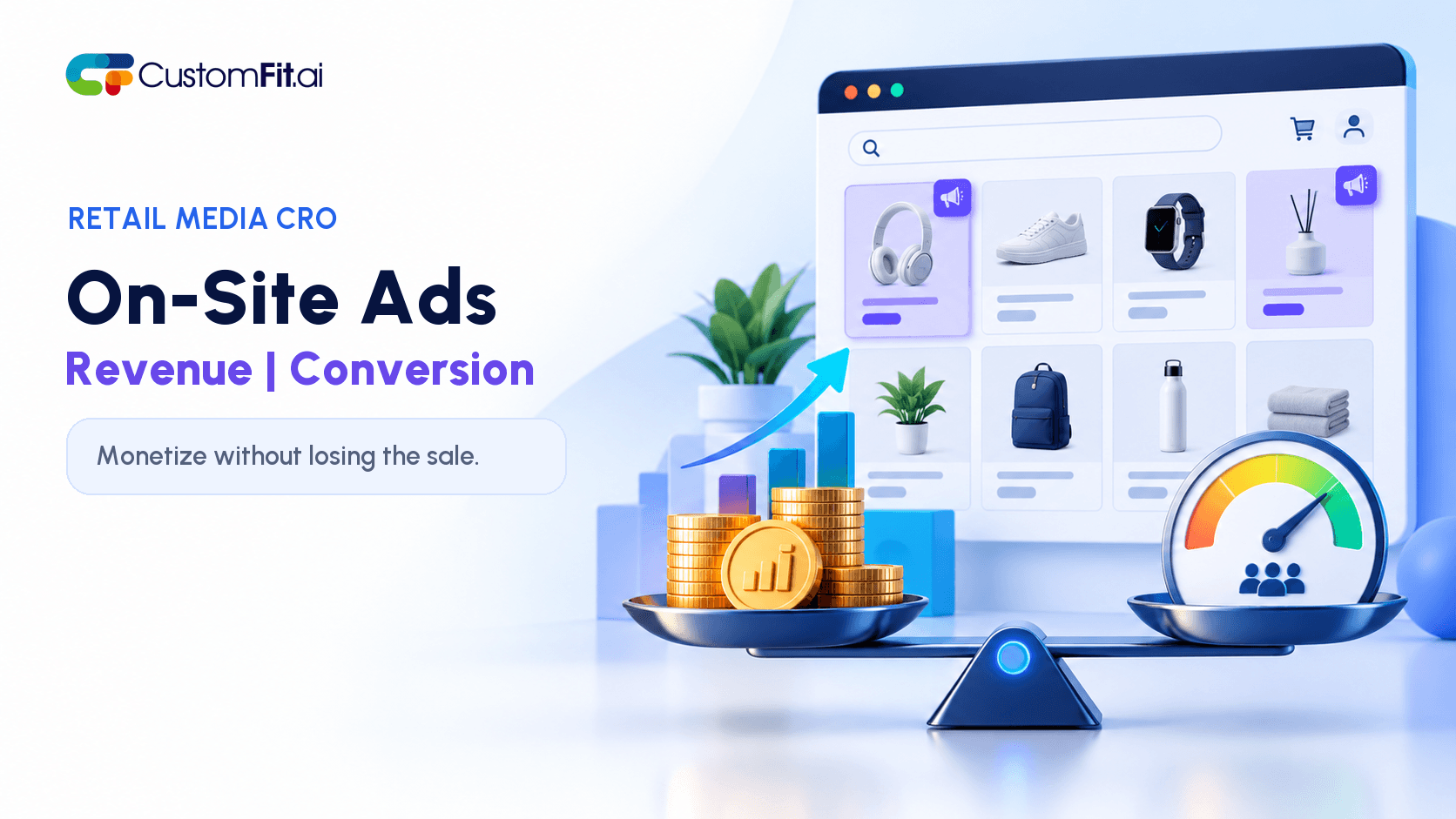
croRetail media CRO explained - how to monetize on-site ads and sponsored placements without tanking your conversion rate. A practical balance guide.
Run rigorous A/B tests and personalize every visit on Shopify or any storefront — no engineers required.
CRO for pet products ecommerce means optimizing your Shopify store to convert the emotionally invested, research-intensive pet parent buyer — someone who treats product quality for their dog, cat, or bird with the same scrutiny they'd apply to their own food choices. The Indian pet care market is growing at 20%+ annually and shifting rapidly from offline to D2C ecommerce. Brands that build trust, personalize by pet type, and optimize for subscription conversion can achieve 3-5% CVRs — significantly above the category average — by addressing the specific anxieties and motivations of Indian pet owners.
India's pet care market is distinct from Western markets in important ways:
Growing but new category: Most Indian pet owners are first-generation pet parents. Many don't have the generational knowledge that Western pet owners inherit. They rely heavily on online research, veterinarian recommendations, and other pet parent communities.
High emotional investment: The "humanization" of pets is strong in urban Indian households. Pet parents in Mumbai, Bangalore, and Delhi routinely spend ₹3,000-₹15,000/month on premium food, supplements, and accessories.
Skepticism about local brands: International pet food brands (Royal Canin, Pedigree, Orijen) dominate trust perception. Indian D2C brands need to work harder to establish food safety credibility. FSSAI certification and veterinarian endorsements are critical.
Strong community influence: Pet parent WhatsApp groups and Instagram communities like dog-specific breed groups heavily influence purchase decisions. Word-of-mouth and community recommendations have an outsized impact in this category.
The most fundamental personalization opportunity in pet ecommerce: showing dog owners dog products and cat owners cat products automatically, without requiring them to filter.
Personalization approaches:
Onboarding question: A simple modal or banner on first visit: "Which pet do you have? 🐕 Dog | 🐈 Cat | 🐰 Other" that sets a cookie and personalizes the homepage, navigation, and recommendations. This dramatically reduces irrelevant browsing and improves product-page reach rate.
URL-based landing pages: Paid campaigns for "dog food India" land on a dog-specific page, not a generic homepage. Test dog-segmented landing page vs. generic homepage for dog-targeted paid traffic.
Breed-specific recommendations: More advanced — "Best for Golden Retrievers" or "Formulated for small breeds under 5kg" reduces the anxiety that a product might not be right for their specific dog.
Test: generic product recommendations vs. breed/size personalized recommendations on product detail pages.
Pet parents apply the same trust standards to pet food as they do to their own food. Veterinarian endorsement is the highest-trust signal available.
What to optimize:
Vet recommendation badges: "Recommended by 500+ veterinarians" or a specific veterinarian quote with photo and credentials. Test: vet endorsement badge vs. no endorsement on product page.
FSSAI certification visibility: For pet food and treats, FSSAI license number visible on the product page is a meaningful trust signal. Test: certification badge above fold vs. in specifications tab.
Ingredient quality story: "Human-grade chicken, no preservatives, no artificial flavors" is the pet food equivalent of skincare ingredient transparency. Test: expanded ingredient story section vs. standard ingredient list.
"Made in India" or "Made in [City]": Some pet parent communities actively prefer locally produced food for freshness and supply chain transparency. Test: origin story in product description vs. no origin mention.
Pet food, treats, dental chews, and grooming supplies are the ideal subscription products. Once a pet parent finds a food their pet likes (which can involve months of trial and error), they don't want to find a new one.
What to optimize:
Subscribe-and-save default: Making subscription the default selection (vs. one-time purchase) with a clear "skip or cancel anytime" reassurance. Test: subscription default vs. one-time default.
Subscription frequency options: Weekly, bi-weekly, monthly, every 6 weeks. Test: offering 3+ frequency options vs. just monthly.
First-time subscription offer: "Subscribe today — first bag free" or "Subscribe for 20% off your first 3 orders." Test: first-subscription incentive vs. standard subscribe-and-save percentage.
"Never run out" messaging: For food especially, "Your pet's favourite food, delivered automatically — set it and forget it." Combines convenience story with never-run-out reassurance. Test: this narrative vs. standard subscription description.
Generic "happy customer" reviews are less effective than pet-specific social proof.
What to optimize:
Pet photos in reviews: Reviews that include photos of the customer's actual dog or cat eating/using the product are far more persuasive than text-only reviews. Configure your review app to encourage photo submissions and display them prominently.
Breed-specific reviews filter: "Filter reviews by breed" allows dog owners to read reviews from other owners of the same breed — directly addressing the "is this right for MY dog?" question.
Weight/age context in reviews: "My 7-year-old Labrador (overweight) has been on this food for 3 months..." is more useful than "My dog loves it." Capture additional review fields.
Community numbers: "Loved by 50,000+ Indian pets" or specific breed community affiliations ("Official partner of [Breed Club]").
Pet product selection is often genuinely complex — food choice depends on age, weight, health conditions, breed, and dietary preferences.
What to optimize:
Pet profile quiz: A 4-5 question quiz ("What's your dog's age? Weight? Any health conditions?") that recommends the right product variant or formula. Test: quiz-based recommendation vs. static product page.
Food transition guide: "How to switch your pet's food safely" as a page section or popup addresses the practical concern that prevents purchase. Many pet parents are afraid their pet's stomach will be upset by a new food.
Sample/trial offers: "Try a 100g sample for ₹99 before committing to a 2kg bag." Reduces the risk of buying a large pack their pet won't eat. Test: sample offer CTA vs. no sample option.
Pet product browsing happens heavily on mobile — often while at the park walking the dog, at the vet, or in bed researching after putting the pet to sleep.
Mobile-specific optimizations:
Related reading: CRO Pillar | CRO for Kids & Baby Products | Weather-Based Personalization | Session Recording Analysis | Conversion Rate