From the conversion glossary
Concepts referenced in this article, defined.
Concepts referenced in this article, defined.
Run rigorous A/B tests and personalize every visit on Shopify or any storefront — no engineers required.
Indian parents are the most research-intensive buyers in D2C. Before a baby product lands in the cart, a parent has typically read 12+ reviews, checked certifications, asked in 3 WhatsApp groups, and compared 4 brands. Baby and kids D2C brands that win in India aren't just selling products — they're earning trust at every touchpoint. This guide covers the specific strategies that separate high-growth kids and baby D2C brands from those that plateau after the first year.
The Indian parent buyer is not a single persona — it's a spectrum that shifts with the child's age and the family's location:
First-time parents (metro cities): Highly anxious, research-heavy, willing to pay premium for certified-safe products. Instagram, YouTube, and mommy blogger communities heavily influence their choices.
Experienced parents (second+ child): Value-conscious, loyal to brands that worked before, responsive to subscription and loyalty programs.
Tier 2/3 city parents: More price-sensitive, heavily influenced by COD availability and local language content. WhatsApp groups and regional YouTube channels drive discovery.
Key purchase drivers across all segments:
Your product page needs to answer the parent's silent question: "Is this safe for my child?"
Put your certifications where parents will see them in the first 3 seconds. "Dermatologically tested," "Paediatrician approved," "Free from parabens, sulfates, artificial fragrance" — these aren't just copy elements; they're conversion drivers. Brands that moved safety badges above the add-to-cart button have seen 18–22% CVR improvements.
Baby product confusion (0–3M vs. 0–6M vs. 0–12M) causes hesitation and returns. Use a clear age selector or age-tagged product bundles. Show exactly what's appropriate at each stage.
Indian parents increasingly read ingredient lists. A "What's in it and why" section with plain-language explanations (not just INCI names) builds trust. For example: "Shea butter: deeply moisturizes without blocking pores" lands better than listing "butyrospermum parkii."
A 60–90 second video of a real parent using the product on their baby is the highest-converting content format for this category. It answers usage questions, shows texture/consistency, and builds relatability. Brands that added video to their PDPs report 25–35% improvement in add-to-cart rates.
Customer acquisition cost in kids/baby D2C can spiral quickly — especially if you're targeting broad "parent" audiences. Here's what actually converts:
Mommy blogger and parenting influencer partnerships: A pediatric nurse with 8,000 followers will convert better than a celebrity with 800,000. Niche credibility matters enormously in this category. Budget ₹3,000–₹15,000 per micro-influencer and track conversions with discount codes.
SEO and Google Shopping: Parents search for specific needs — "best baby oil for newborn India," "organic baby rash cream India." Ranking for these long-tail queries brings high-intent, ready-to-buy traffic at lower CPAs than paid social.
Community building: A Facebook or WhatsApp group for parents using your products creates retention and organic acquisition simultaneously. Community members refer friends, post UGC, and stay customers through multiple product stages.
Festive season strategy: Godh Bharai (baby shower) gifting peaks during festive months. Baby shower gift sets (curated 3–5 product bundles priced ₹599–₹1,499) with premium gifting packaging convert exceptionally well in October–December.
The biggest LTV opportunity in kids/baby D2C is the natural progression of a child's needs from birth through age 5+. Brands that map their product catalog to developmental stages and use that mapping in their retention strategy retain customers 3–4x longer.
Growth-stage email/WhatsApp sequences:
Send personalized product recommendations timed to when parents will need them — a "Your baby is turning 6 months!" email with relevant product suggestions has open rates 3x above standard promotional emails.
Subscription for consumables: Baby wash, baby oil, diaper rash cream, and wet wipes are perfect subscription candidates. Offer 15% off + free shipping on monthly plans. Once a parent is on subscribe-and-save, retention rates exceed 70% over 6 months.
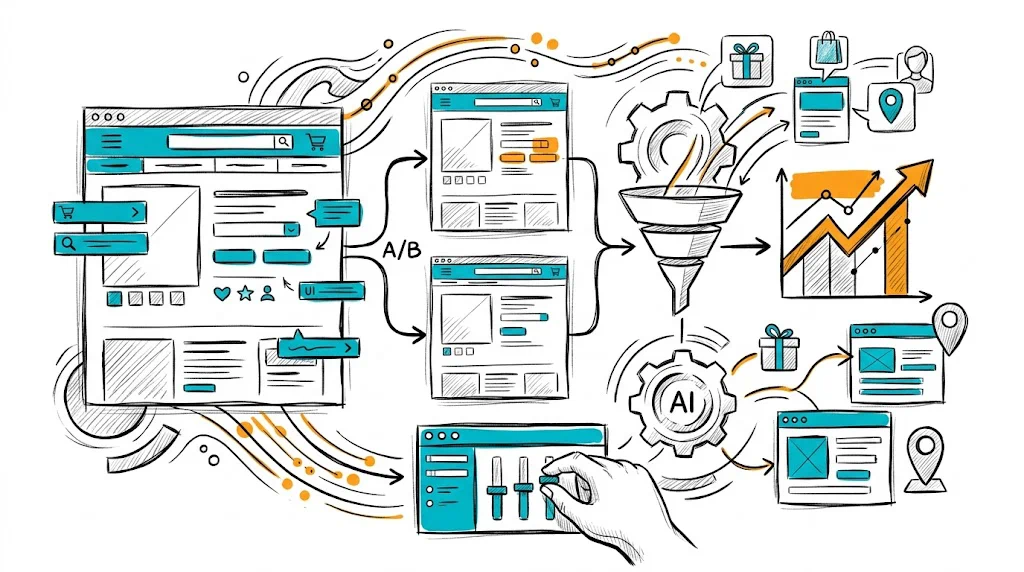
Website personalization can be transformative for baby brands:
Age-of-child personalization: Ask for the child's birthdate during signup or first purchase. Then personalize homepage banners, email recommendations, and even pop-up offers based on the child's current age. "Perfect for your 8-month-old" is far more compelling than "Shop baby products."
New visitor trust-building: New visitors from paid ads see a trust-heavy experience — certifications, video reviews, ingredient callouts, a satisfaction guarantee. Returning buyers see reorder prompts and "What's next for your toddler" recommendations.
Geo-based content: Metro parents see brand story and premium positioning. Tier 2/3 city visitors see value messaging, COD prominently, and regional language copy (if available).
CustomFit.ai lets you run all these personalization rules without writing a single line of code — you set the rule, and every visitor gets the right experience automatically.
| Metric | Target for Kids/Baby D2C India |
|---|---|
| CAC | ₹250–₹500 |
| AOV (first order) | ₹600–₹1,200 |
| Gross Margin | 55–65% |
| LTV (24 months) | ₹3,000–₹6,000 |
| LTV:CAC Ratio | 5:1 or better |
Baby D2C has exceptional LTV potential because parents buy consistently for 3–5 years. The LTV:CAC ratio should improve with each cohort as word-of-mouth referrals and community-driven growth kick in.
Related reading: D2C Brand Growth Pillar | Men's Grooming D2C India | RFM Segmentation for D2C Brands