From the conversion glossary
Concepts referenced in this article, defined.
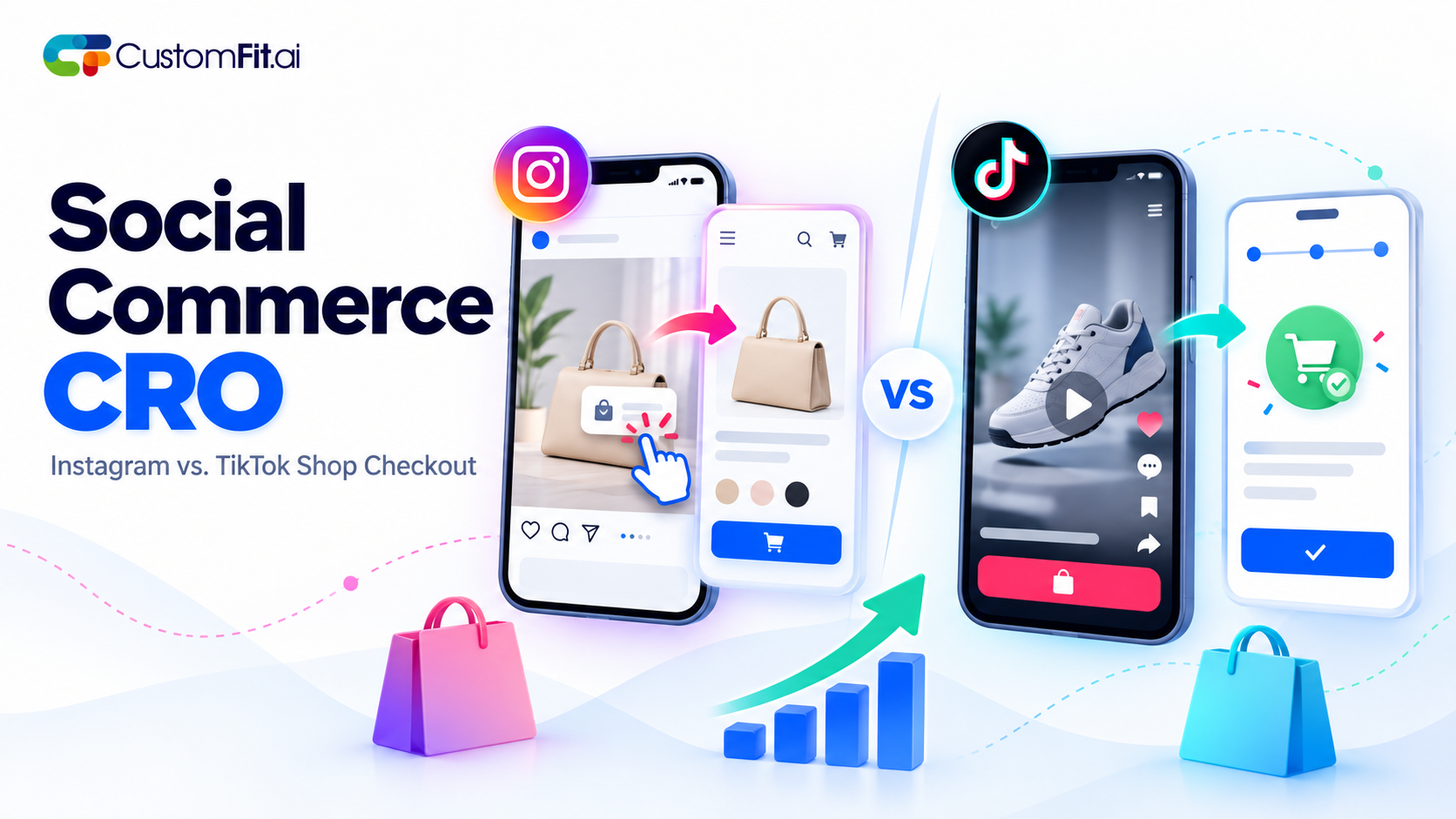
Social commerce conversion optimization for Instagram and TikTok Shop — where checkout friction actually happens and how to fix it on each platform.
 Yuvraj Singh7 min read
Concepts referenced in this article, defined.
 marketing channels
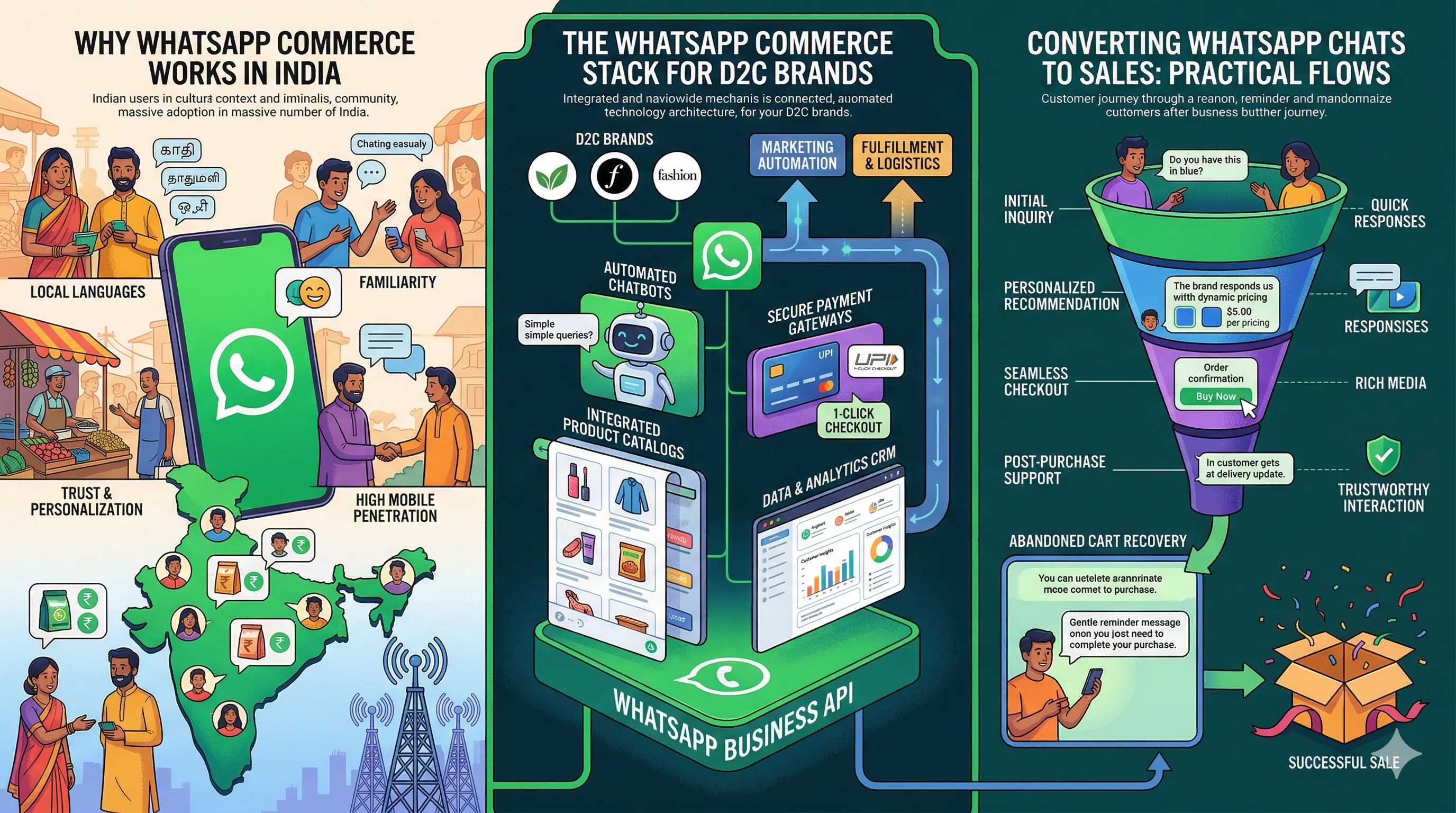
Learn how to turn WhatsApp conversations into actual sales for your D2C brand. Setup, catalog, checkout flows, and conversion tactics that work in the Indian market.
 marketing channels
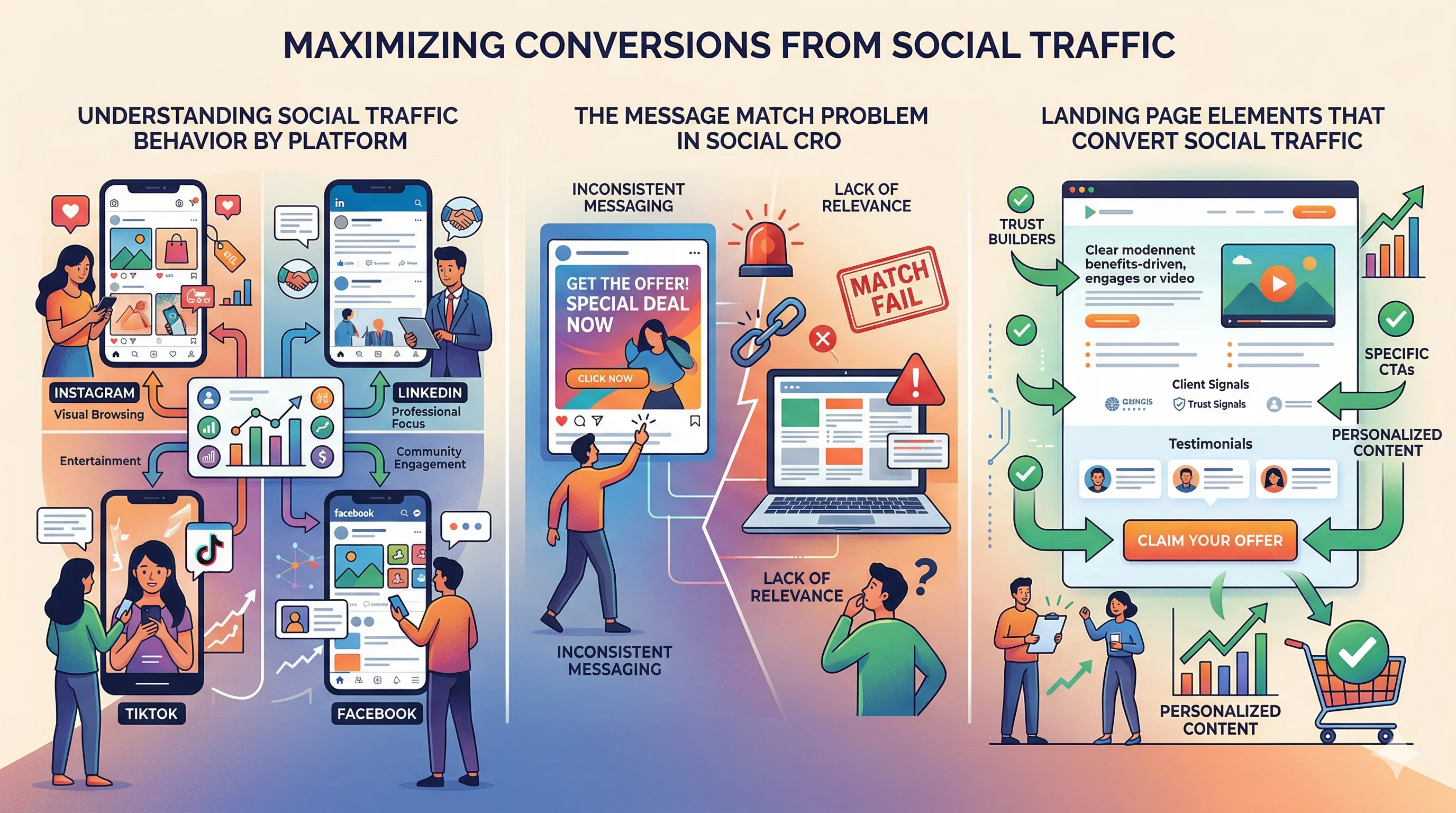
Turn Instagram, YouTube, and TikTok visitors into buyers. Social media traffic conversion tactics for Indian D2C brands — A/B tests, landing pages, and more.
 marketing channels
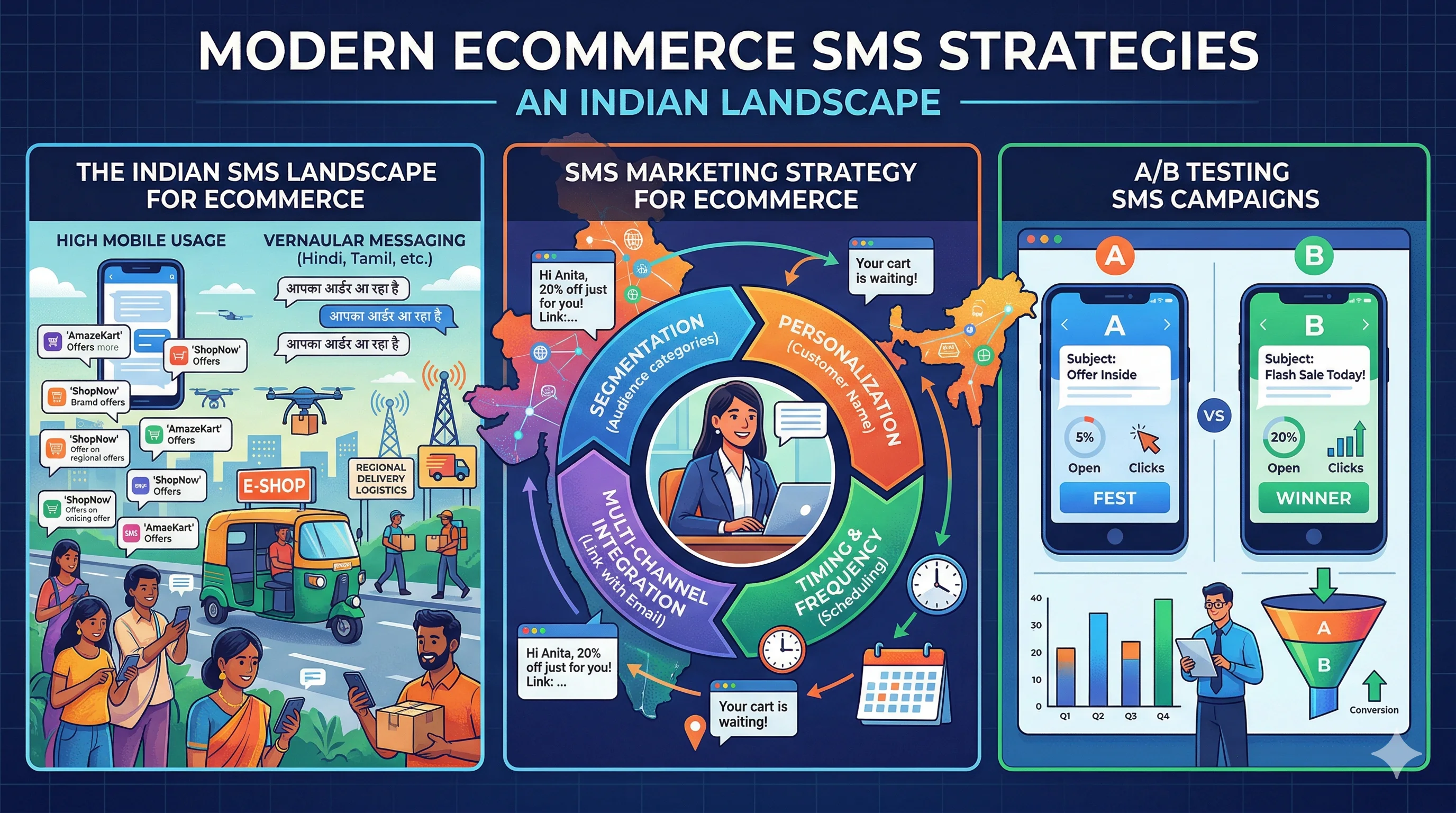
SMS marketing tactics for Indian ecommerce brands. DLT compliance, segmentation, copy templates, and A/B tests that lift conversion rates — start free.
Run rigorous A/B tests and personalize every visit on Shopify or any storefront — no engineers required.
A few years ago, "social commerce" mostly meant a link in bio and a hope that people would tap through. That's no longer the whole picture. TikTok Shop now runs checkout entirely inside the app—a viewer can go from watching a video to owning the product without ever leaving TikTok. Instagram took the opposite path: Meta wound down in-app checkout across Shops, so Instagram Shopping today drives discovery and product tagging, but purchases complete on your own website.
That split matters enormously for social commerce conversion optimization because the two platforms now have almost opposite conversion problems. Treating them the same is the fastest way to leave money on the table on both.
On TikTok, the entire purchase journey—discovery, evaluation, and payment—happens in one interface. TikTok Shop checkout optimization is mostly about what happens inside that native flow: product listing quality, video content that converts, and reducing the small amount of friction that still exists between "I want this" and "I bought this," since there's no off-platform redirect to worry about.
On Instagram, the job is almost the reverse. Instagram Shopping CRO is about minimizing the drop-off that happens the moment someone taps a product tag and gets sent off-platform to your website. That's a full context switch, a new app, a new page load, a new checkout flow—and every second of that transition is where shoppers abandon.
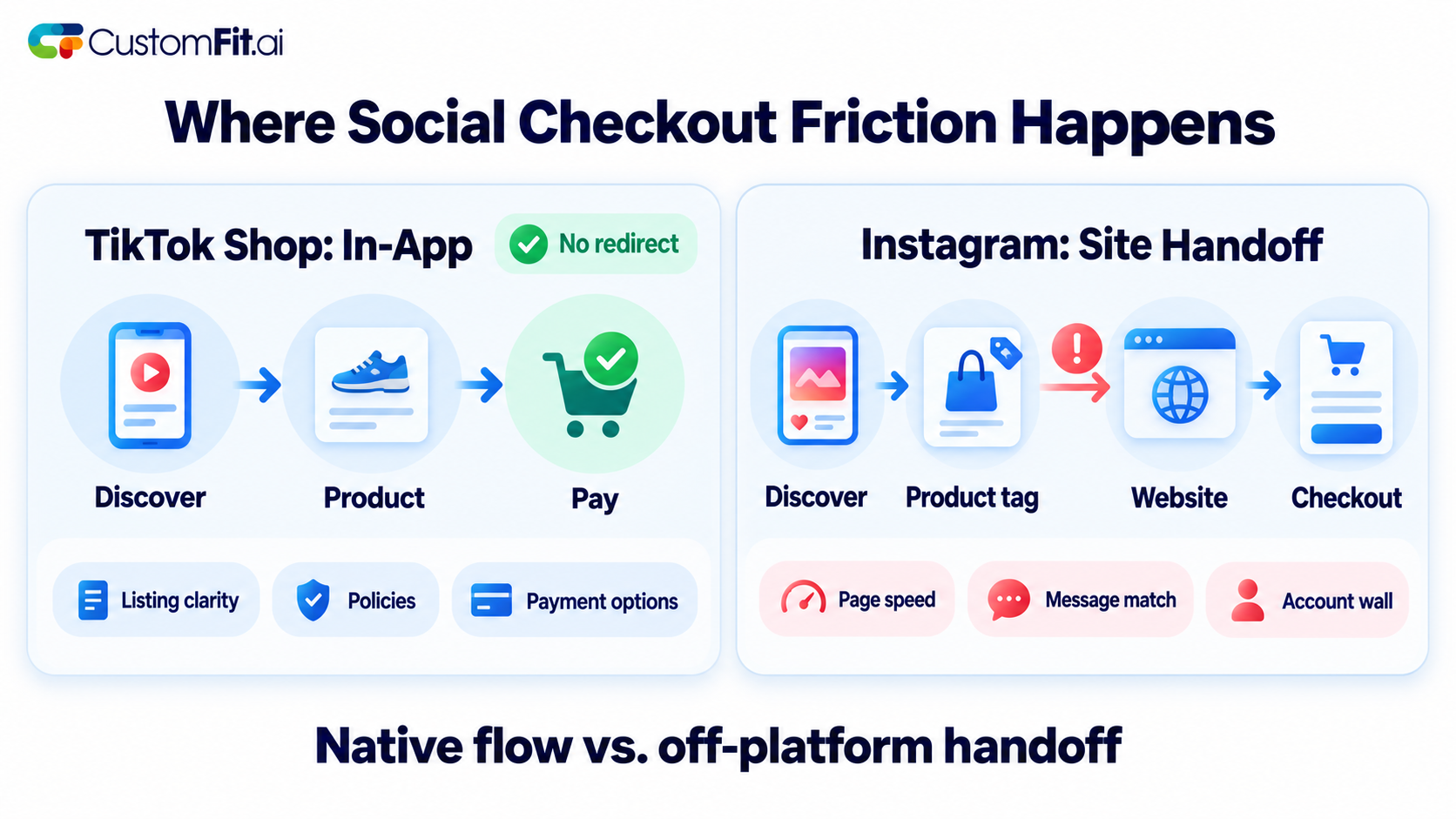
On TikTok Shop, friction shows up in a few specific spots: incomplete or unclear product listings that make a shopper hesitate mid-scroll, shipping and return policy details that aren't visible before checkout, and payment method limitations if a shopper's preferred option isn't supported. Because the whole experience lives inside the algorithm-driven feed, a confusing listing doesn't just lose that sale—it can also hurt how the algorithm distributes your content going forward.
On Instagram, friction concentrates almost entirely at the handoff moment. A shopper taps a product tag expecting an equally fast, native experience and instead gets a slower mobile page load, a full account-creation prompt, or a checkout flow that doesn't remember anything about the product they just tapped. That mismatch between expectation and experience is where most Instagram-driven social traffic quietly disappears.
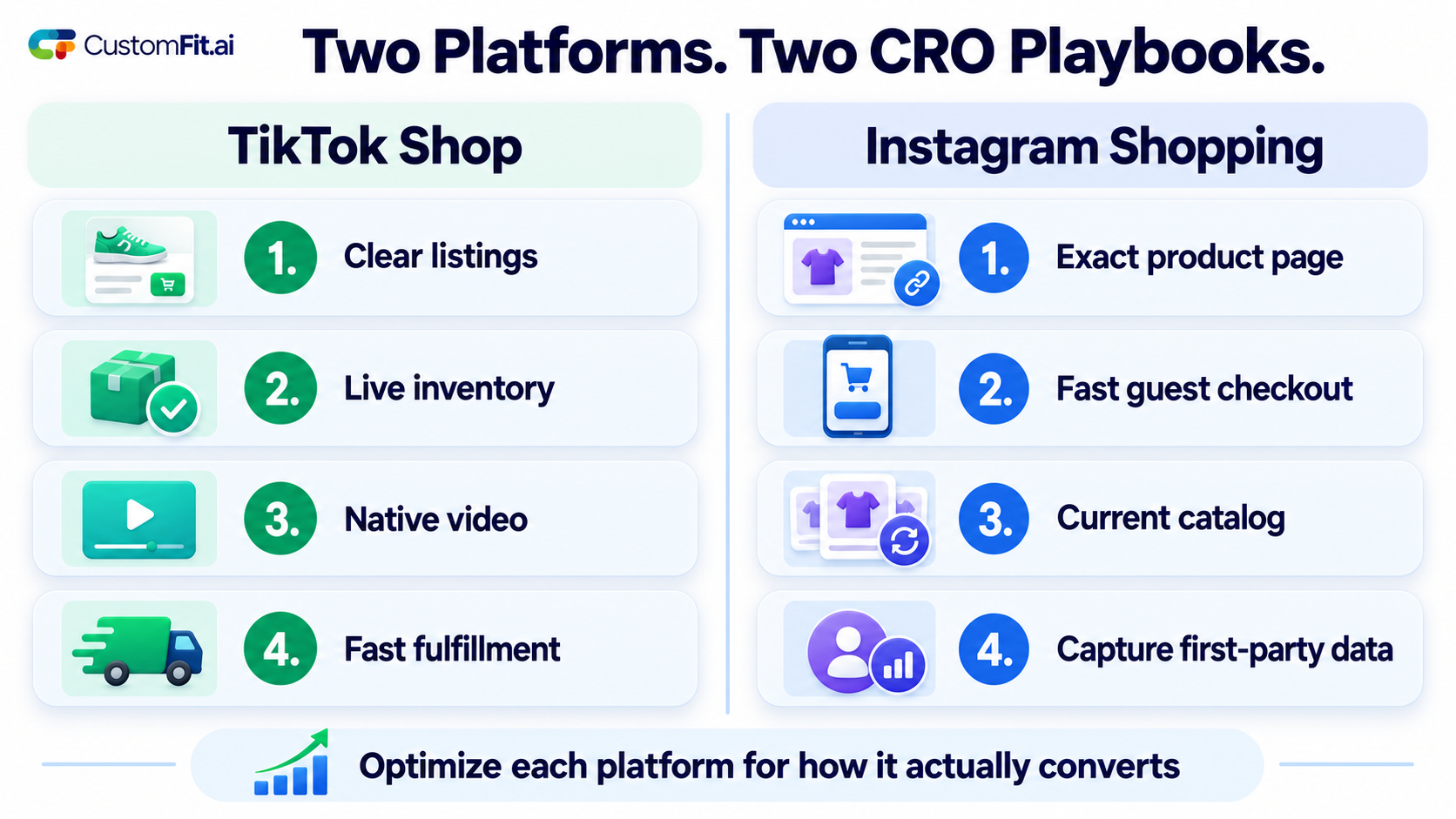
Treat your product listing like a landing page, not an afterthought. Clear titles, complete variant options, and visible policy information reduce the moment of hesitation that breaks an impulse purchase.
Keep your catalog and inventory perfectly in sync. In-app purchase conversion depends on shoppers trusting that what they see is actually available. A sold-out item still showing as purchasable is one of the fastest ways to damage trust on a platform where the entire relationship is built on speed and immediacy.
Design content with the native checkout in mind. Since there's no redirect step, videos that clearly show the product being used, sized, or unboxed do more conversion work than they would on a platform where the shopper still has an extra step ahead.
Watch fulfillment speed as a conversion factor, not just an operations metric. TikTok Shop's algorithm and customer-satisfaction metrics favor sellers who can ship quickly, whereas unreliable fulfillment can result in complaints and returns that adversely affect the seller's future reach.
Make the landing page match the product the shopper tapped. If a buyer clicks a specific product tag, they should reach that exact product page directly instead of landing on a general homepage or collection page and having to search again.
Cut every unnecessary step between tap and purchase. Guest checkout, saved payment methods, and a fast-loading mobile page matter more here than almost anywhere else in your funnel because you're already fighting the drop-off that comes from leaving the app.
Keep your Instagram Shop catalog current and fully tagged. An outdated catalog containing broken product tags or incorrect pricing creates the same trust problem as TikTok's inventory-sync issue, but it happens earlier in the buyer's journey.
Consider what happens after the sale, not just the checkout itself. Since Instagram traffic lands on your own site, this is also your opportunity to capture first-party data, offer an account or email signup, and build a relationship that TikTok Shop's closed ecosystem doesn't allow.
Conversion rates reported across the industry tend to favor TikTok Shop's native checkout over Instagram's off-platform flow—the frictionless, no-redirect experience simply converts more of the traffic it generates. But that doesn't make Instagram lower-value. It tends to attract a different audience and stage of consideration, particularly for higher-ticket or more considered purchases where a shopper wants to check reviews and legitimacy before buying.
The realistic strategy for most D2C brands is to run both, optimized for what each is actually good at, rather than picking one as "better" in isolation.
The most common mistake is applying the same checkout optimization checklist to both platforms when the actual conversion problem is almost opposite on each.
The second is under-investment in Instagram because its native checkout is gone. Traffic and discovery from Instagram Shopping are still valuable; they just need a genuinely fast, well-matched landing experience on your own site to convert, which is entirely within your control to fix.
Social commerce conversion optimization isn't one playbook anymore—it's two. TikTok Shop rewards a flawless in-app experience with zero redirect friction; Instagram Shopping rewards a fast, precisely matched handoff to your own site. Brands that understand which problem they're actually solving on each platform will outperform those applying a single generic "social CRO" strategy across both.