From the conversion glossary
Concepts referenced in this article, defined.
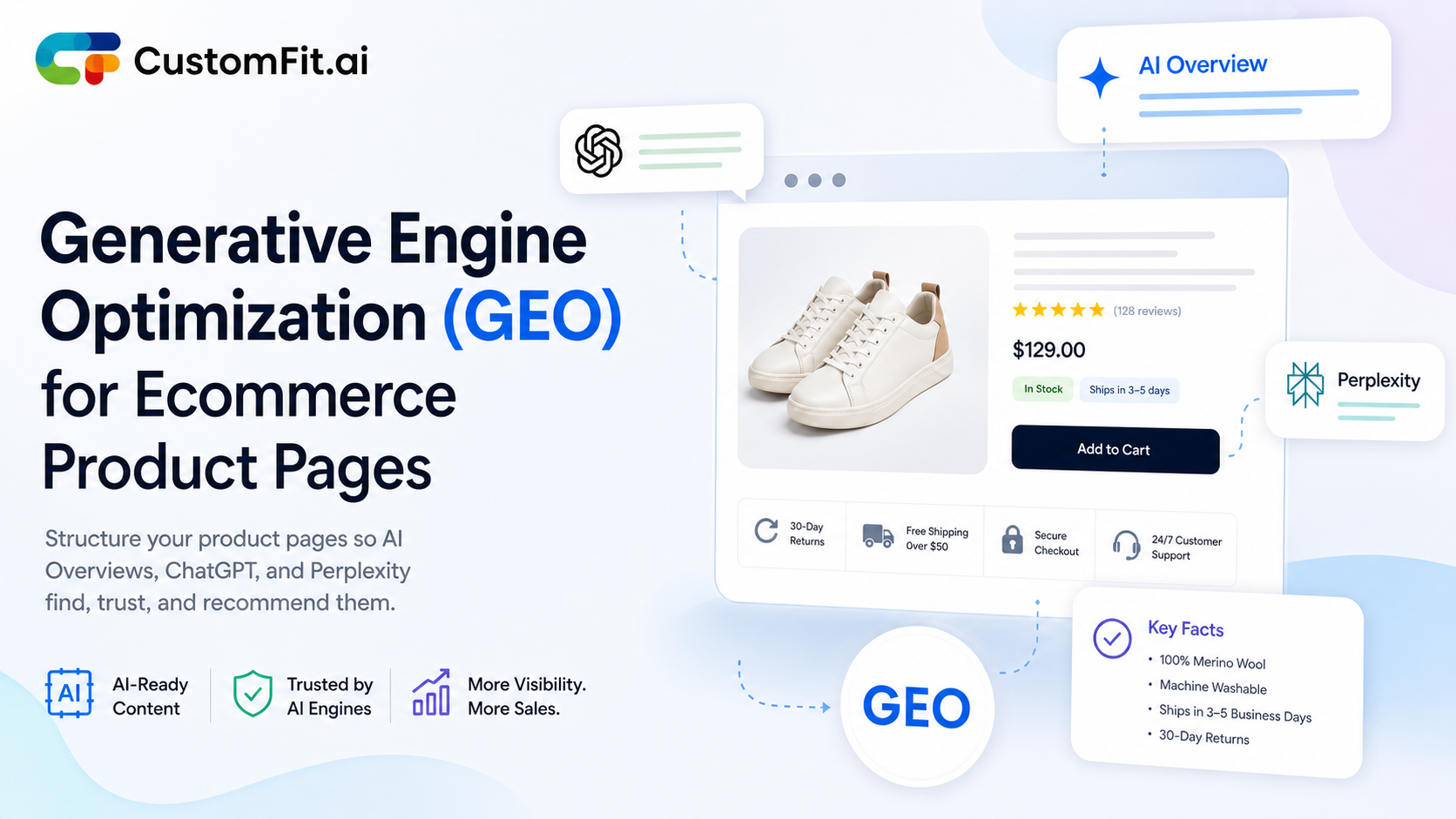
Learn generative engine optimization for ecommerce - how to structure product pages so AI Overviews, ChatGPT, and Perplexity actually find, trust, and recommend them.
Concepts referenced in this article, defined.
 ai ecommerce
How reinforcement learning personalization works for ecommerce - self-learning targeting that improves with every visitor, and how it differs from rules.
 ai ecommerce
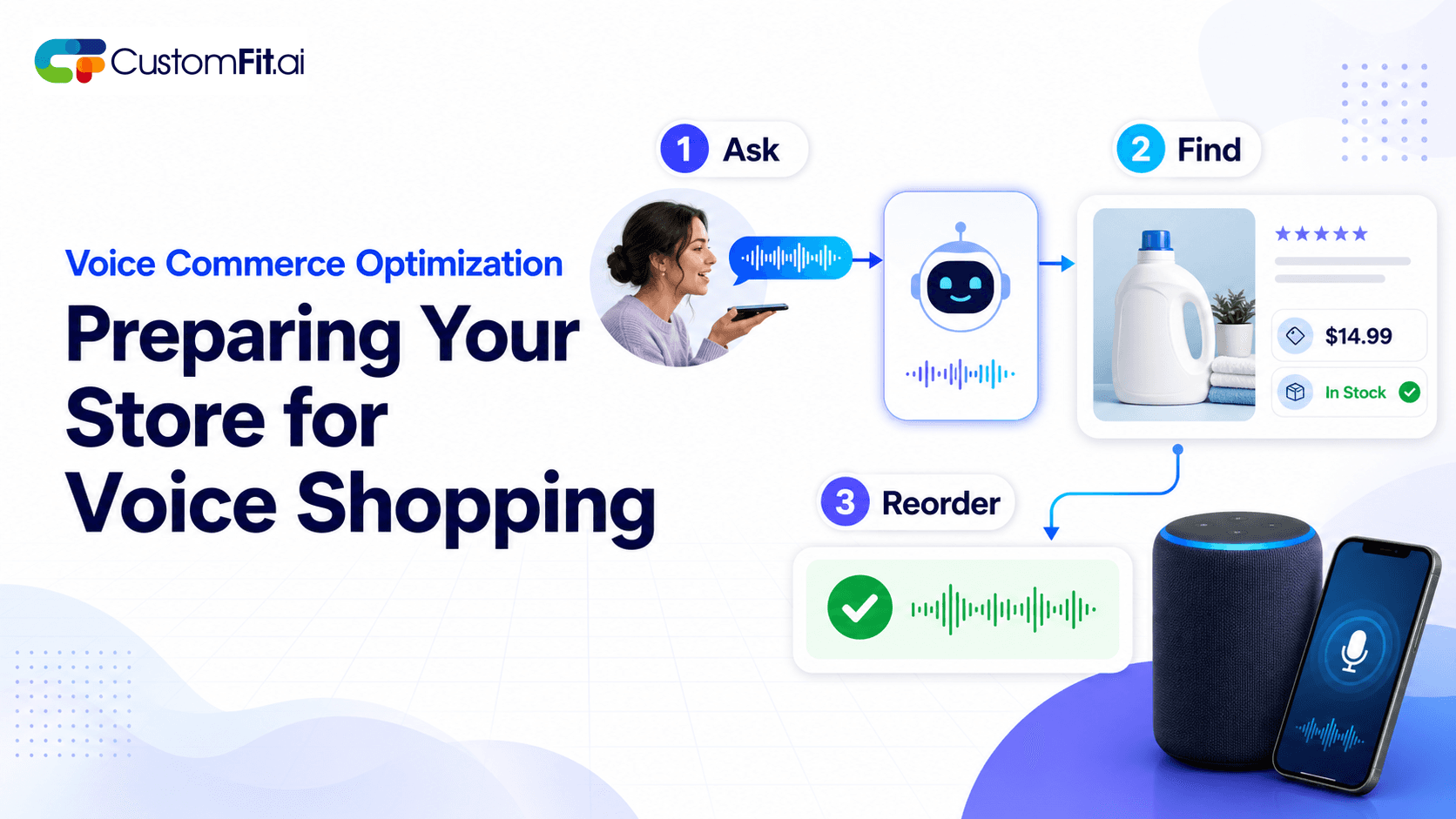
A practical guide to voice commerce optimization - how to prepare your product pages, catalog, and UX for Alexa, Siri, and voice-first shopping.
 ai ecommerce
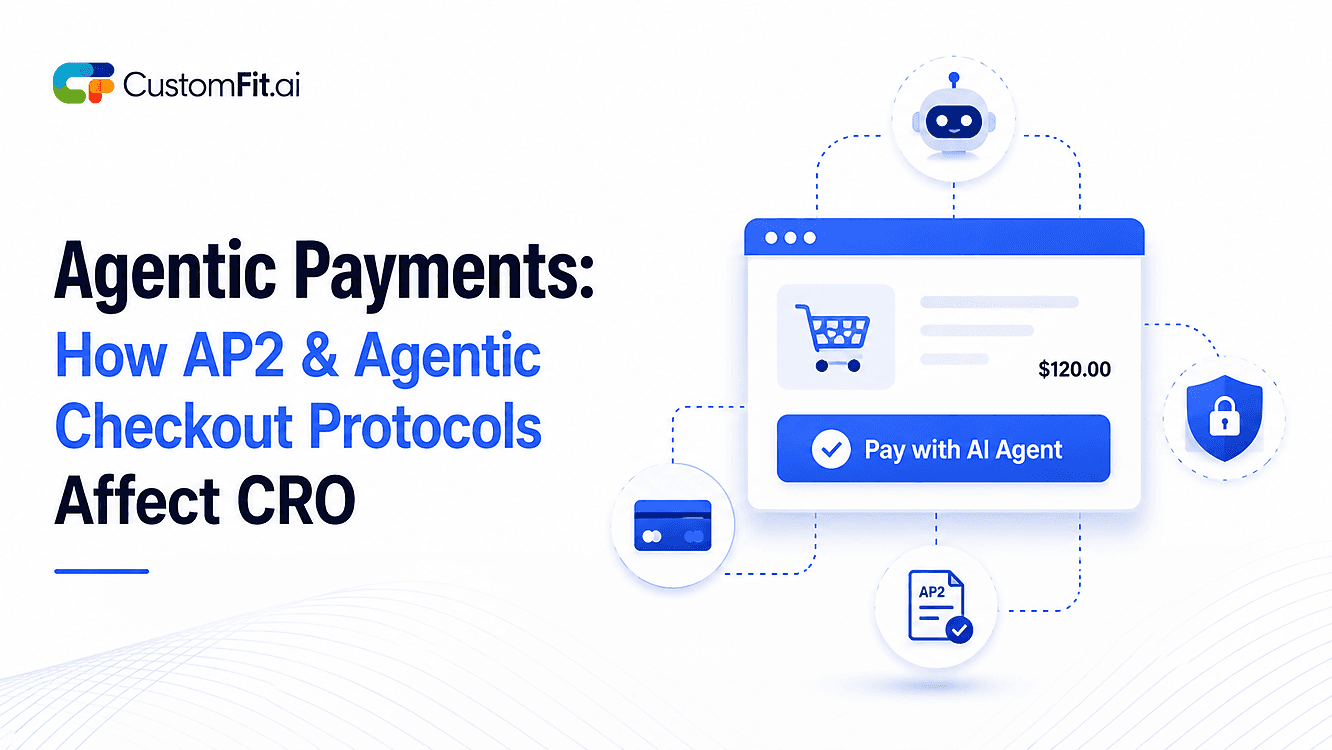
How agentic payments and Google's AP2 protocol are changing checkout and what ecommerce brands need to know about AI agent payment authorization and CRO.
Run rigorous A/B tests and personalize every visit on Shopify or any storefront — no engineers required.
Search doesn't look like it used to. Type a question into Google today and there's a good chance you get a fully written answer before you scroll to a single blue link. Ask ChatGPT or Perplexity the same question and you often get an answer with no links at all - just a recommendation, sometimes with a product already picked out.
That's the shift GEO is built around. Generative engine optimization for ecommerce is the practice of structuring your product pages so AI systems can read them, trust them, and actually quote or recommend them - not just so Google ranks them.
Traditional SEO optimizes for a ranking algorithm that shows a list of links. GEO for product pages optimizes for a language model that reads your page, extracts facts, and synthesizes an answer in its own words. The model isn't trying to send someone to your site - it's trying to answer their question directly, and your page is just one input among several it's comparing.
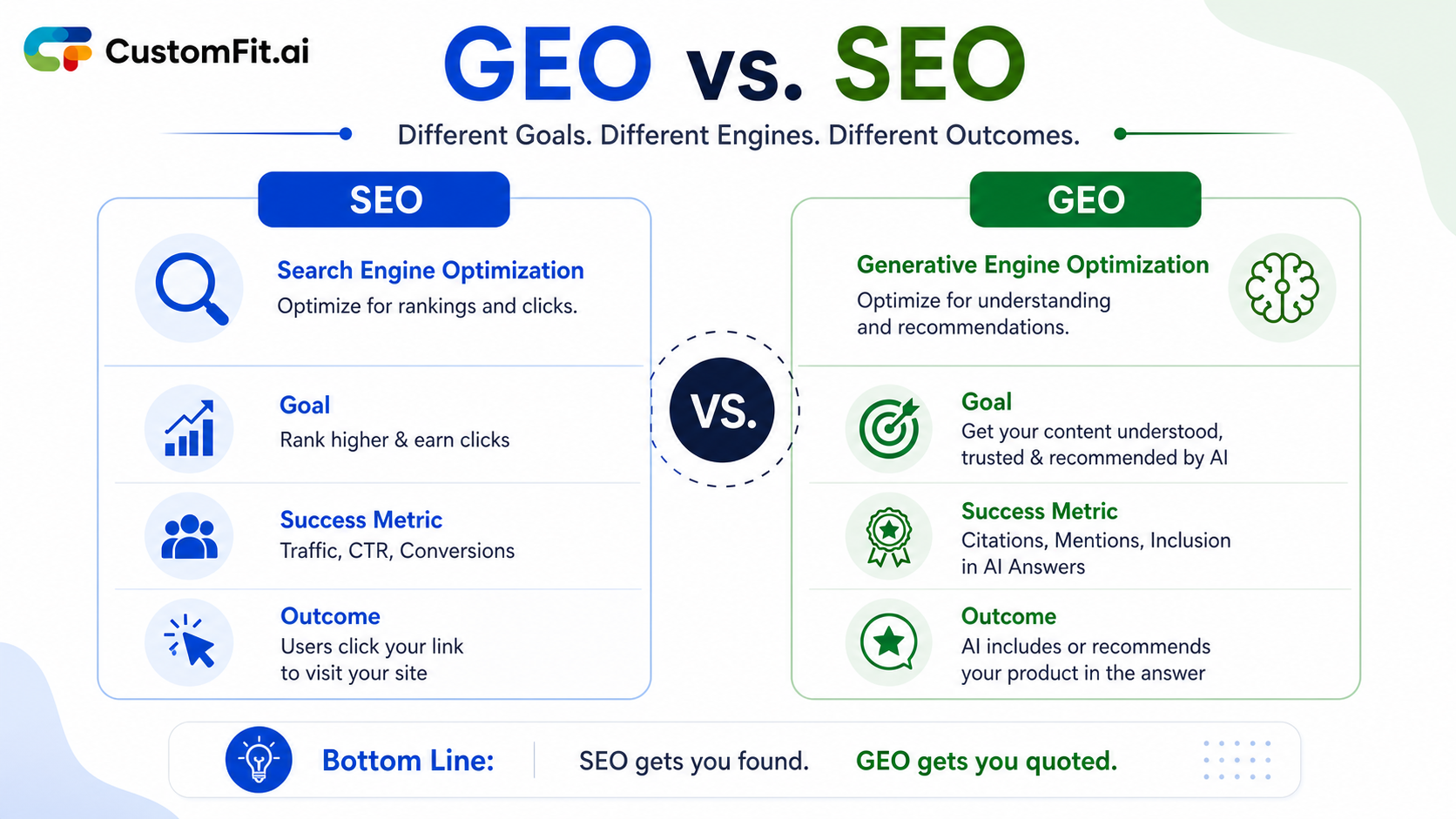
This means two things change. First, being ranked number one matters less than being the most quotable: clear, factual, and specific. Second, your competitors aren't just other product pages anymore; they're every other source the model pulled from, including reviews, forums, and comparison sites you don't control.
A blog post can survive being paraphrased. A product page can't afford to be misquoted. If an AI answer engine tells a shopper your return window is 14 days when it's actually 30, or gets your price wrong because it pulled outdated cached data, you lose the sale before the shopper even reaches your site.
AI answer engine optimization for ecommerce is really about accuracy control: making sure the facts an LLM extracts from your page are the facts you actually want repeated.
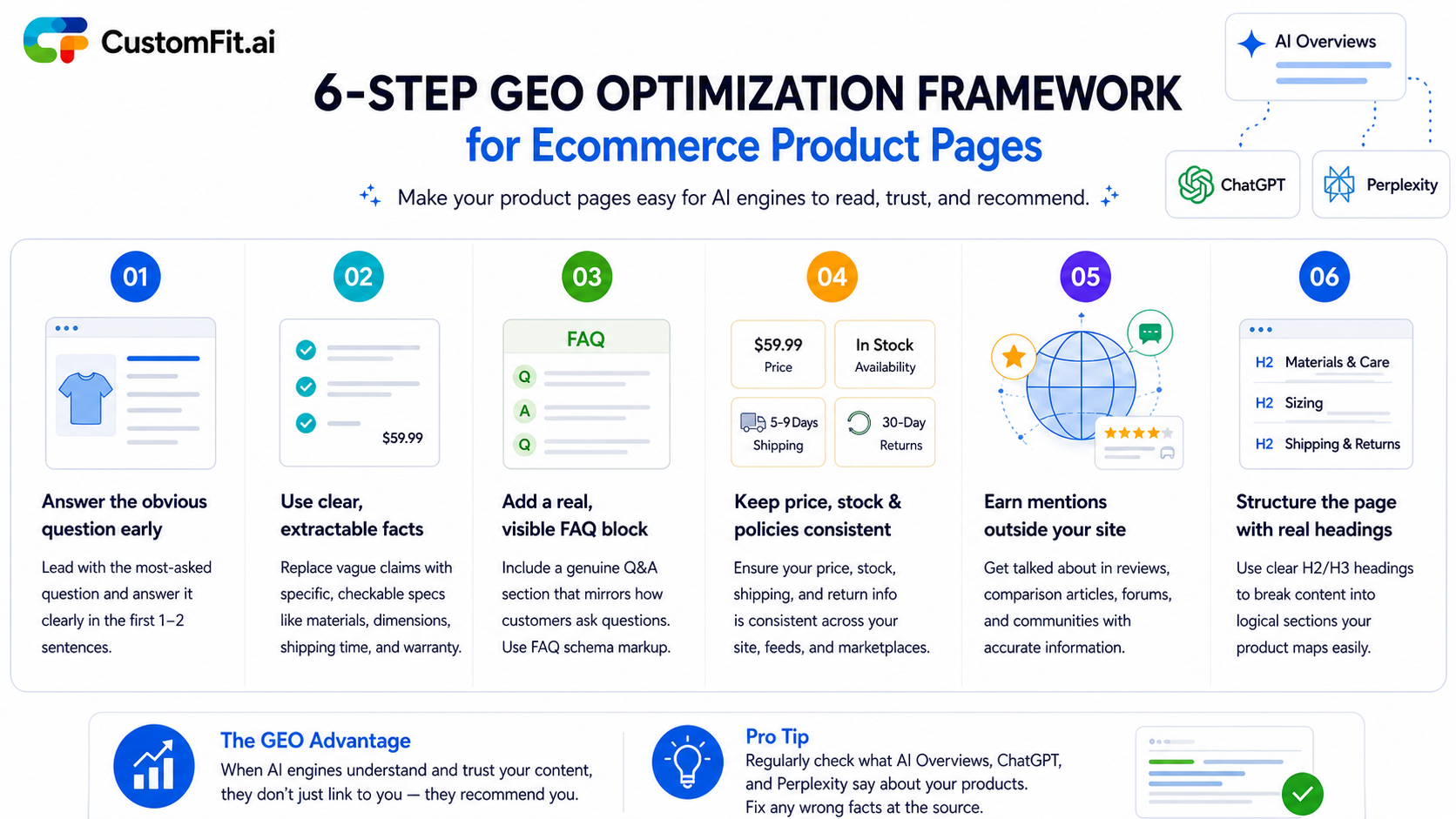
Don't bury "is this true to size?" or "does this ship internationally?" three paragraphs into a lifestyle-heavy description. Say it plainly, near the top. Models weight early, direct statements more heavily when summarizing.
"Elevate your everyday routine" tells a model nothing. "100% merino wool, machine washable, ships in 3-5 business days" gives it something to quote. LLM visibility ecommerce depends on your copy being made of facts a model can lift cleanly, not marketing language it has to interpret.
A genuine question-and-answer block, rendered as visible text and ideally marked up with FAQ schema, is one of the highest-value formats for GEO. It mirrors exactly how a user phrases a query to an AI engine, which makes it easy to match and extract.
Answer engines cross-reference. If your product page says one price and your feed or a third-party listing says another, models tend to hedge, cite the cheaper source, or skip you. Consistency across every surface is part of optimizing for AI Overviews.
Reviews, comparison articles, and debates that accurately talk about your product give your brand supporting sources and help establish its importance to the model. In GEO, this is similar to backlinking, but links aren't always required; what matters is that your product is described consistently across a variety of sources.
"Materials & Care," "Sizing," and "Shipping & Returns" used as actual H2 or H3 headings help a model map your page the way it maps a Wikipedia article - by section, not by scrolling through prose.
The biggest one is chasing keyword density instead of clarity. GEO isn't about stuffing "best running shoes for flat feet" into your copy ten times; it's about making the actual answer to that query unmistakable.
The second is ignoring the pages models cite most: comparison and "best of" style content. If a category page or buying guide on your own site compares your products fairly, that page often gets pulled into AI answers more than the product page itself.
GEO for product pages isn't a replacement for SEO - it's what happens after SEO gets you found. Once a model can see your page, the question becomes whether it can understand it fast enough to trust it.
Clear, factual, well-structured pages win that trust. Vague, keyword-stuffed ones get skipped in favor of whichever competitor said the same thing more plainly.
No - think of it as an additional layer. SEO still gets your pages crawled, indexed, and ranked in traditional search. GEO determines whether, once an AI system reads that page, it trusts the content enough to quote or recommend it. You need both.
Most of the time you can optimize existing pages. The changes are usually structural - clearer headings, factual language up front, and a real FAQ section - rather than writing everything from scratch.
Ask them directly. Search your product category in Google and check for an AI Overview, then ask ChatGPT or Perplexity the same buying question a customer would. If the facts are wrong or you're missing entirely, that's your starting point.
The core principles - clarity, factual accuracy, and structure - apply everywhere, but each engine weighs sources differently. Perplexity leans heavily on citing external pages directly; ChatGPT often blends multiple sources into one answer. Testing your visibility across all three, rather than assuming one covers the rest, is worth the ten minutes it takes.