From the conversion glossary
Concepts referenced in this article, defined.
AI Overviews and zero-click search are reshaping how shoppers find products. Here's the real ecommerce impact, and how to adapt your conversion funnel.
 Yuvraj Singh6 min read
Concepts referenced in this article, defined.
 cro
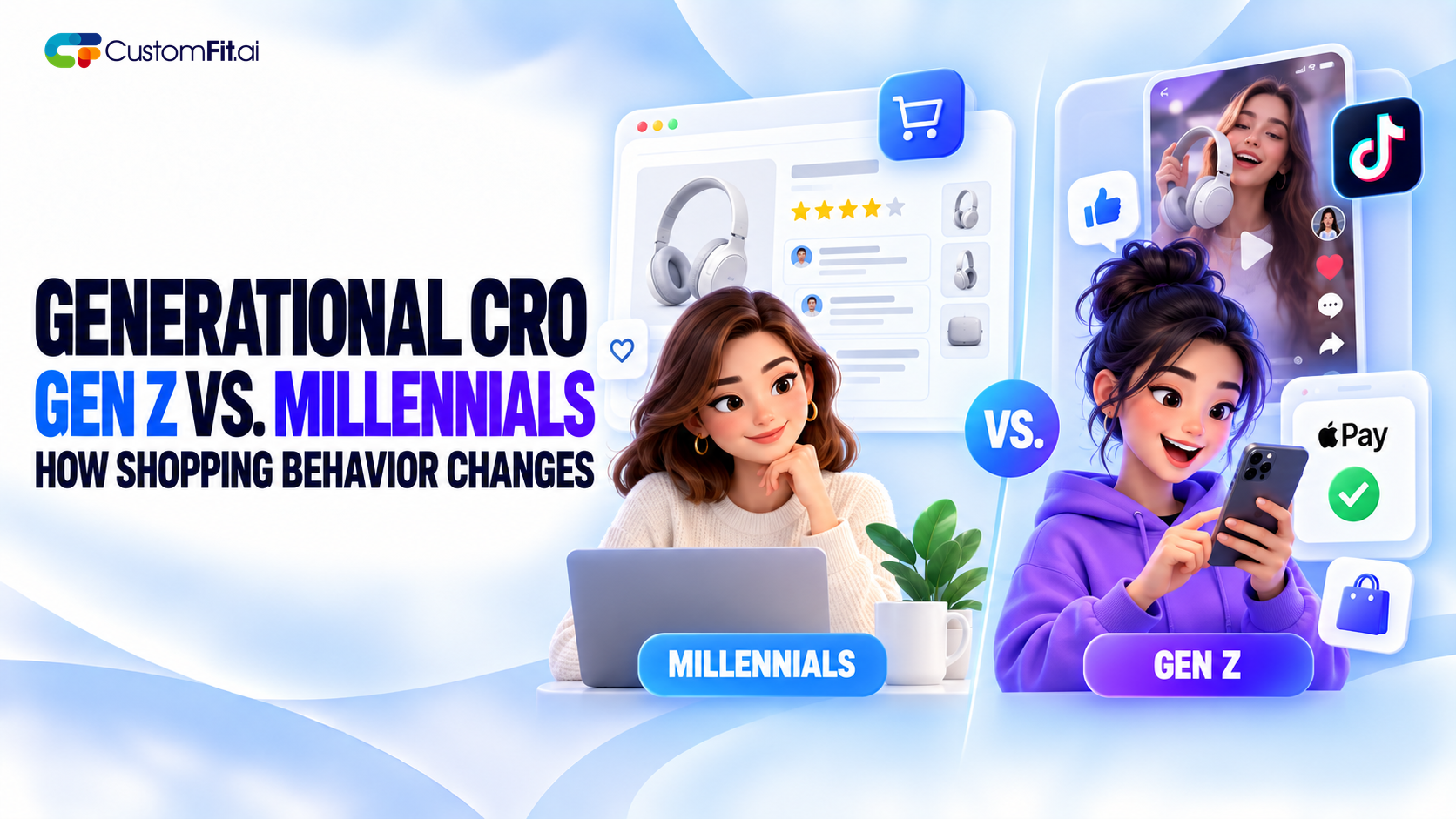
croGen Z shopping behavior CRO — the real differences in how Gen Z and Millennial shoppers browse, decide, and check out, and what to actually test.
 cro
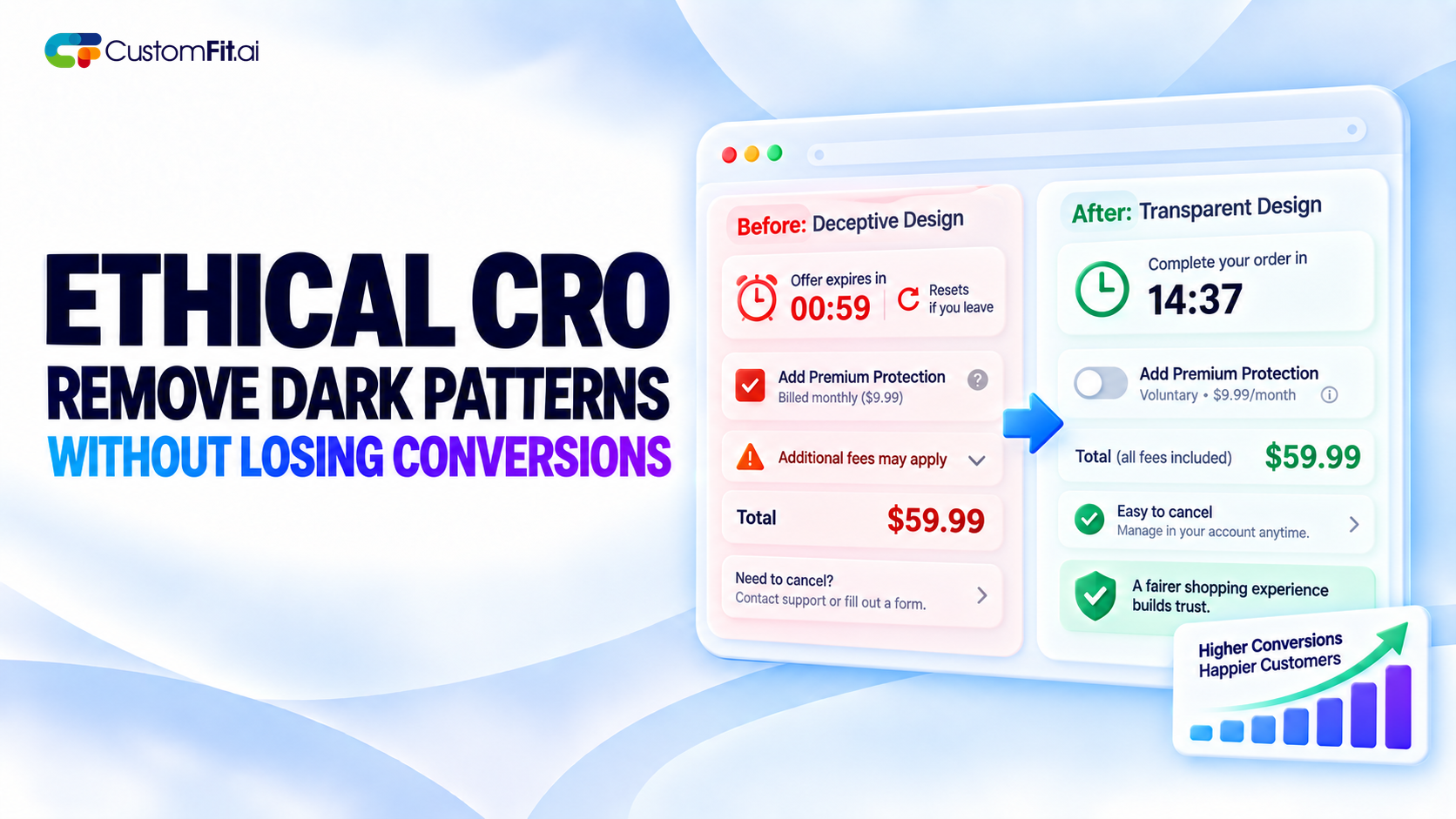
croEthical CRO dark patterns guide — how to remove manipulative checkout tactics from your store without sacrificing the conversion rate they were propping up.
 cro
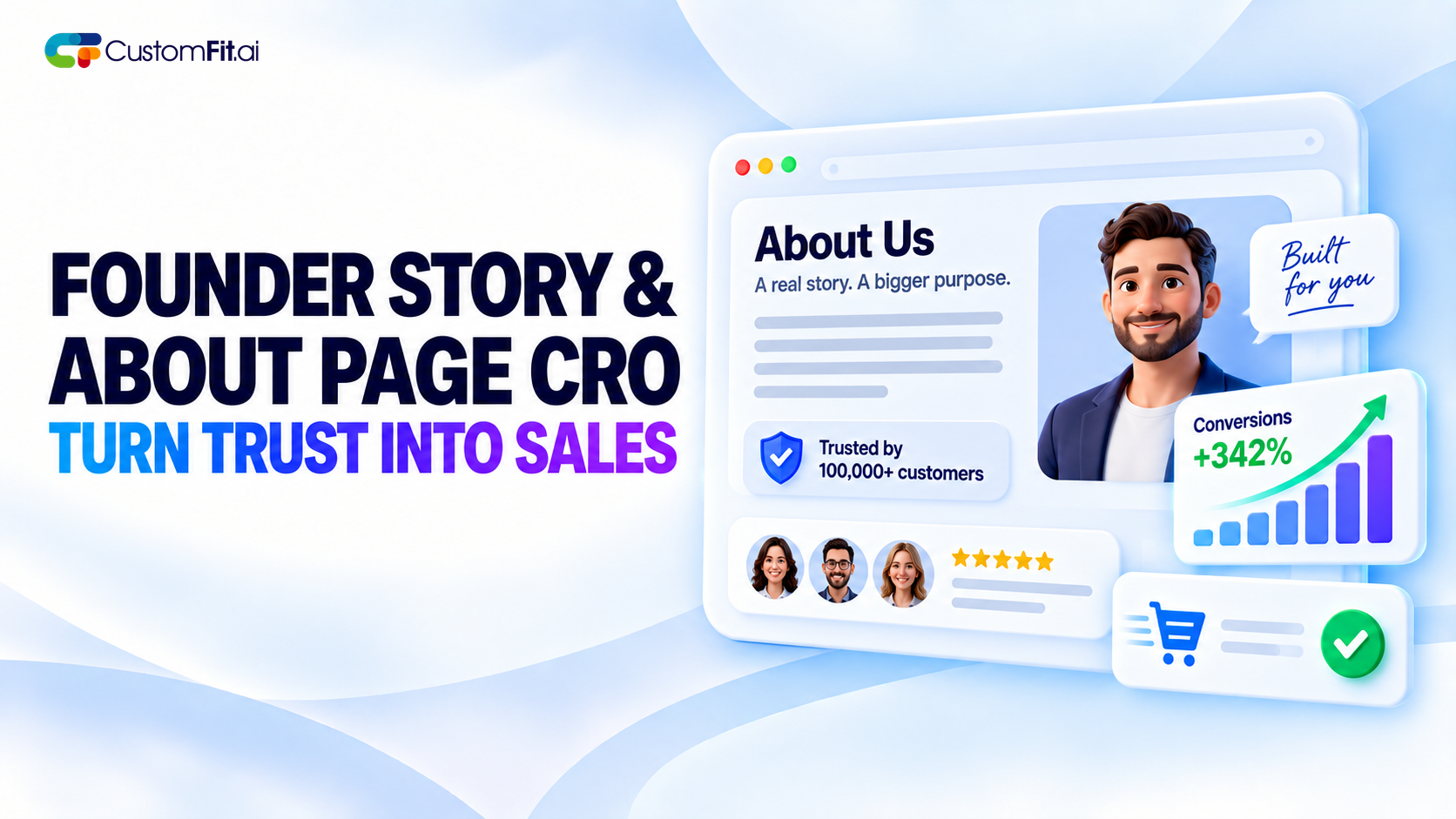
croAbout page CRO strategies — how to turn your founder story and brand narrative into a genuine conversion driver, not just a page nobody visits.
Run rigorous A/B tests and personalize every visit on Shopify or any storefront — no engineers required.
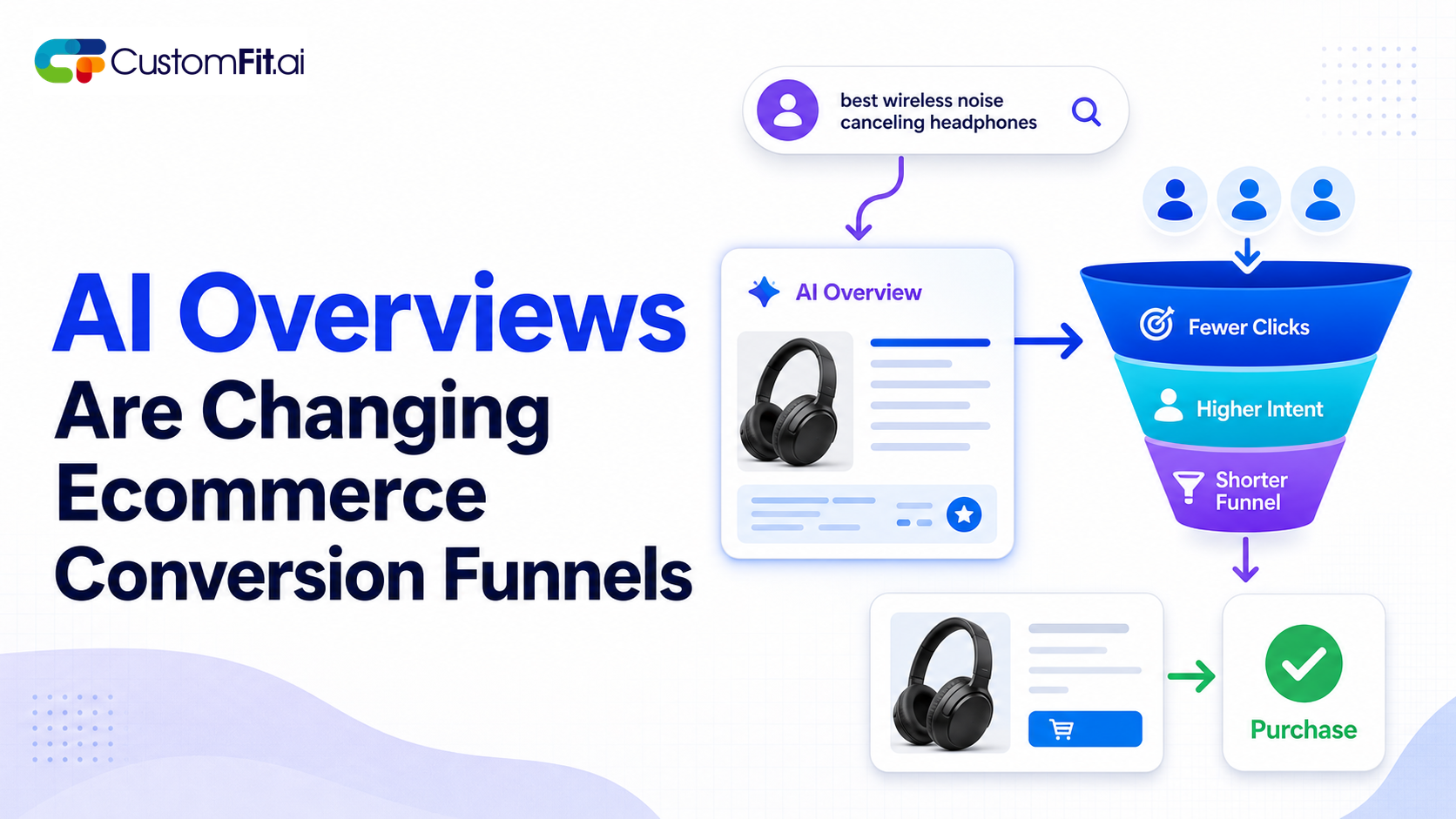
For years, the ecommerce funnel started roughly the same way: someone searches, sees a list of blue links, clicks a few, compares options, and lands on a product page. That first step has quietly changed. A meaningful share of Google searches now surface an AI-generated answer above the results - an AI Overview - and a growing number never produce a click at all.
The AI overviews ecommerce impact is not identical to what is happening in publishing or how-to content, where zero-click traffic has reached severe levels. But it is not negligible either. The shape of the change differs enough from what most CRO advice assumes that ecommerce teams need to understand it on its own terms.
Google's AI Overviews appear across a wide range of searches, but they tend to hit informational queries much harder than transactional ones. "What's the best fabric for hot weather?" is the kind of question Google can answer directly in an overview. "Buy linen shirt men's medium" still needs to send the shopper somewhere to complete a purchase.
That distinction matters enormously for ecommerce brands. If organic traffic depends heavily on top-of-funnel informational content - buying guides, "how to choose" articles, and comparison posts - the brand is more exposed to zero-click search trends than one whose traffic is dominated by shoppers already looking for a specific product.
The instinct is to assume AI Overviews simply mean less traffic. The more accurate picture is that the funnel is getting shorter and more concentrated. Some research has found that AI-referred visitors - the smaller number who click through after reading an AI-generated summary - tend to convert at a noticeably higher rate than average organic traffic. The answer engine has effectively pre-qualified them before they land on the site.
That is the upside inside the AI search conversion-funnel shift: fewer but more intentional visitors at the top. The downside is that if your funnel relies on capturing a large volume of loosely interested browsers and warming them over time, that top-of-funnel volume is shrinking fastest.
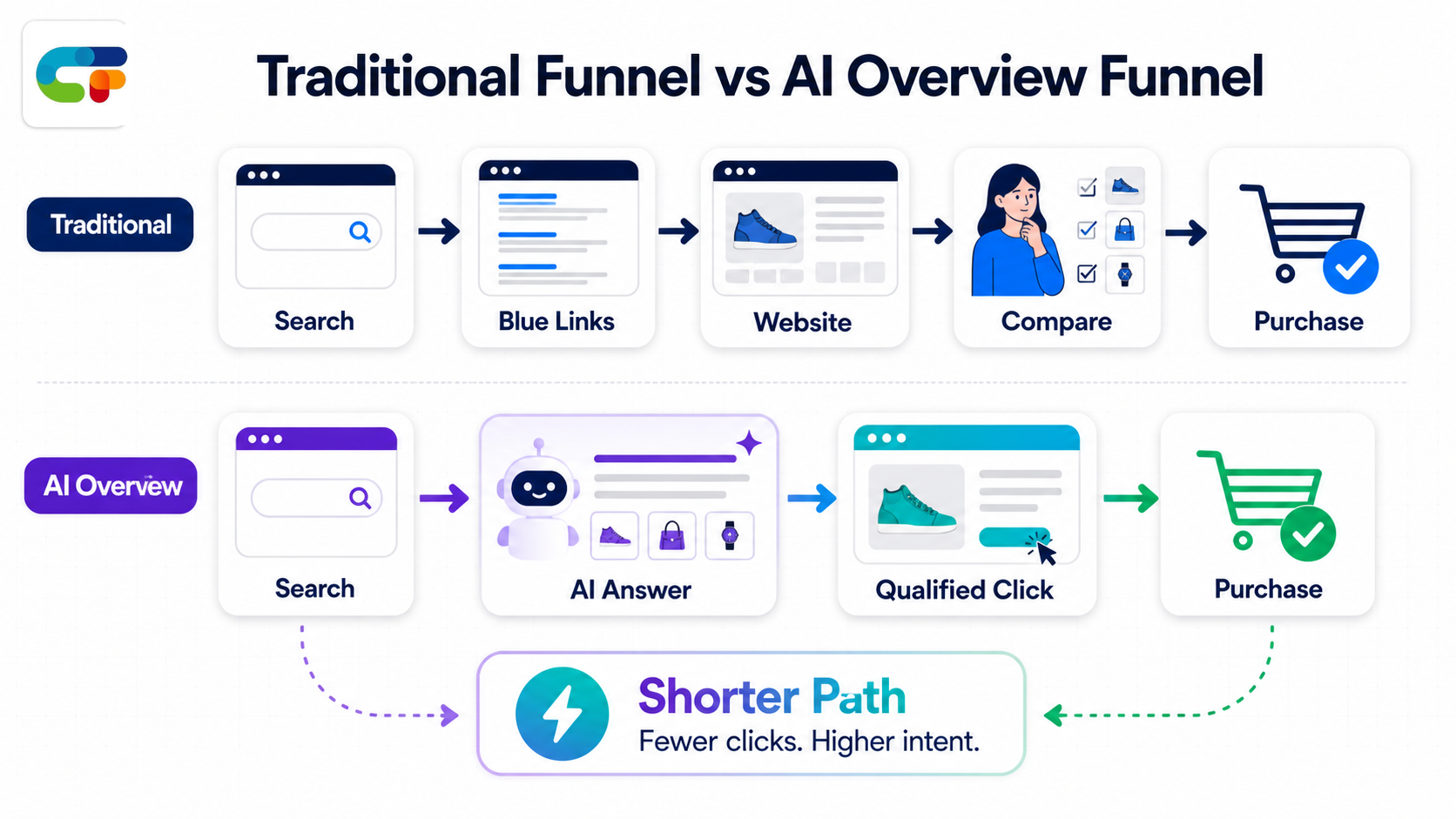
When Google, ChatGPT, or Perplexity answers a shopping-adjacent question directly, it still has to source the answer from somewhere. Being the source - not merely ranking first in the traditional sense - determines whether a brand gets cited, mentioned, or recommended inside that answer.
This is the practical connection between AI Overviews and generative engine optimization. Pages that are likely to be pulled into an AI answer are clear, factual, well-structured, and specific, not necessarily the pages that previously ranked highest for keyword volume alone.
Category pages, honest comparison content, and detailed buying guides tend to get pulled into these answers more often than a typical product-description page. That means the earlier stages of the funnel may need more investment even as raw top-of-funnel traffic declines.
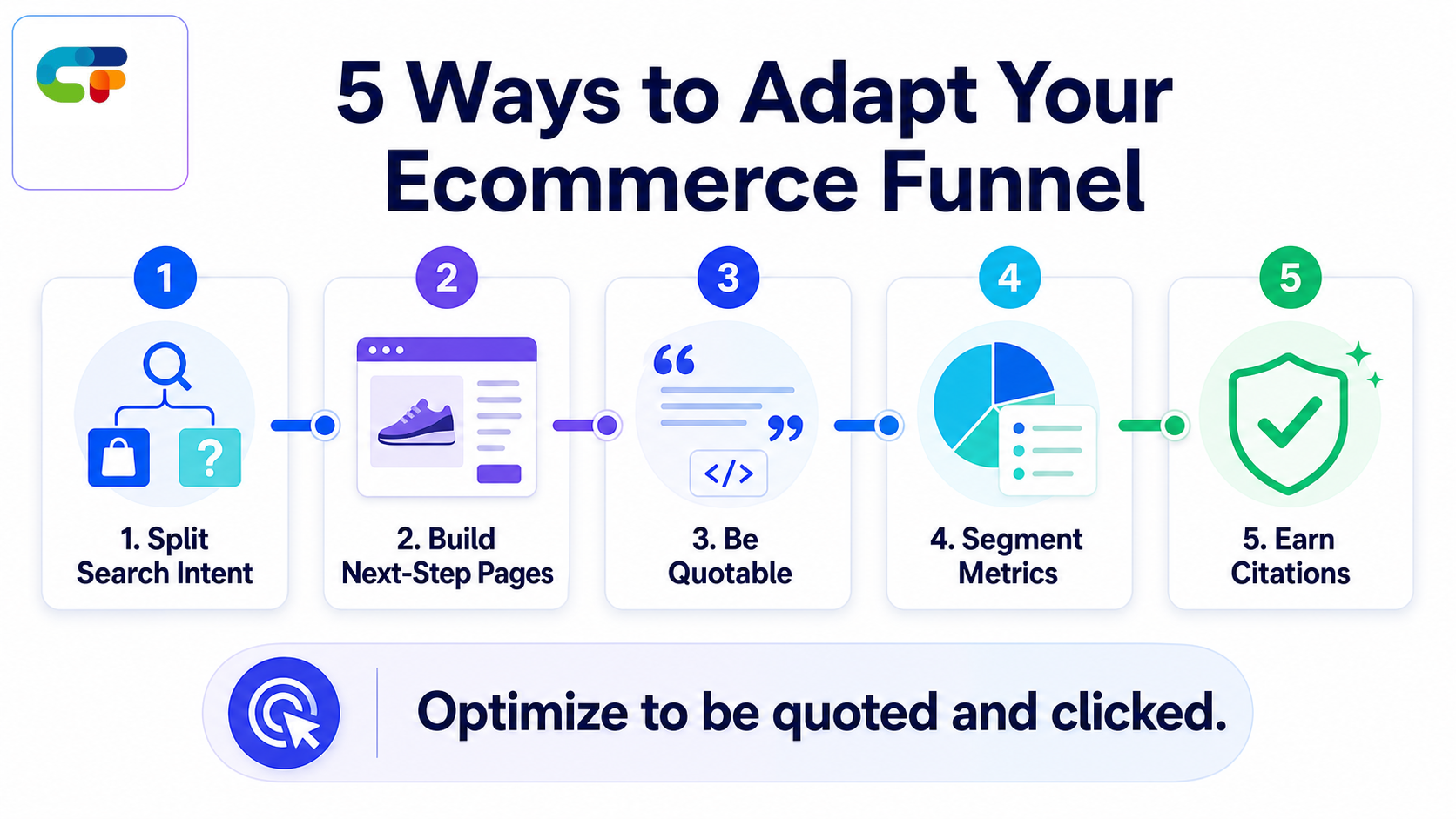
The biggest mistake is treating the AI overviews ecommerce impact as uniform across an entire site. It is almost never evenly distributed: transactional and informational pages are affected very differently.
The second is panicking over a top-line organic traffic drop without stopping to check conversion rate and revenue per visitor for the traffic that remains. The audience may be smaller while the visitors who do arrive are more qualified.
AI Overviews have not eliminated the ecommerce funnel. They have compressed the top of it and made the traffic that survives more valuable. Brands that separate informational and transactional strategies, optimize to be quoted as well as clicked, and measure the right metrics by traffic type will adapt faster than brands still measuring success by raw organic click volume alone.