From the conversion glossary
Concepts referenced in this article, defined.
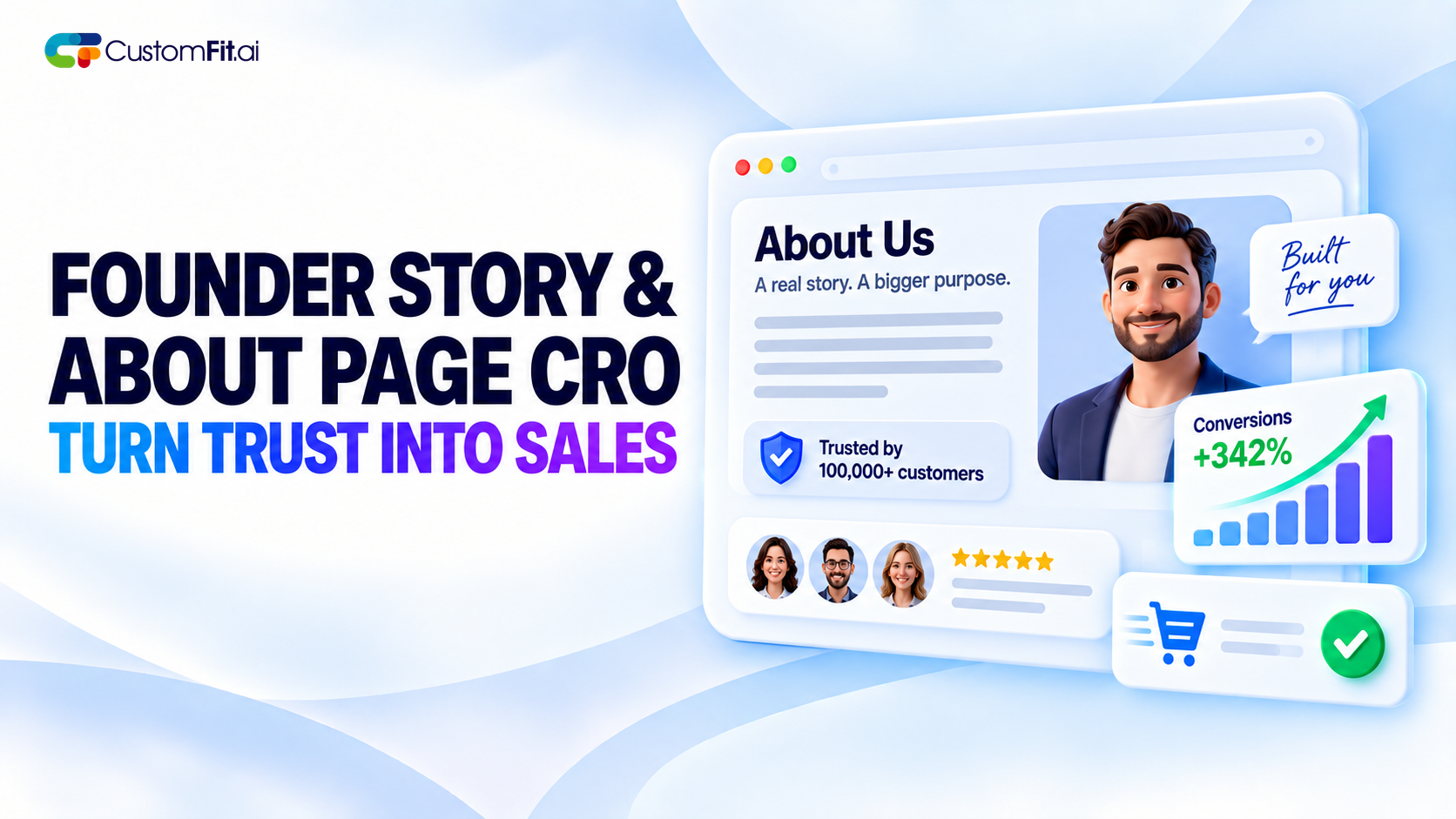
About page CRO strategies — how to turn your founder story and brand narrative into a genuine conversion driver, not just a page nobody visits.
 Yuvraj Singh6 min read
Concepts referenced in this article, defined.
 cro
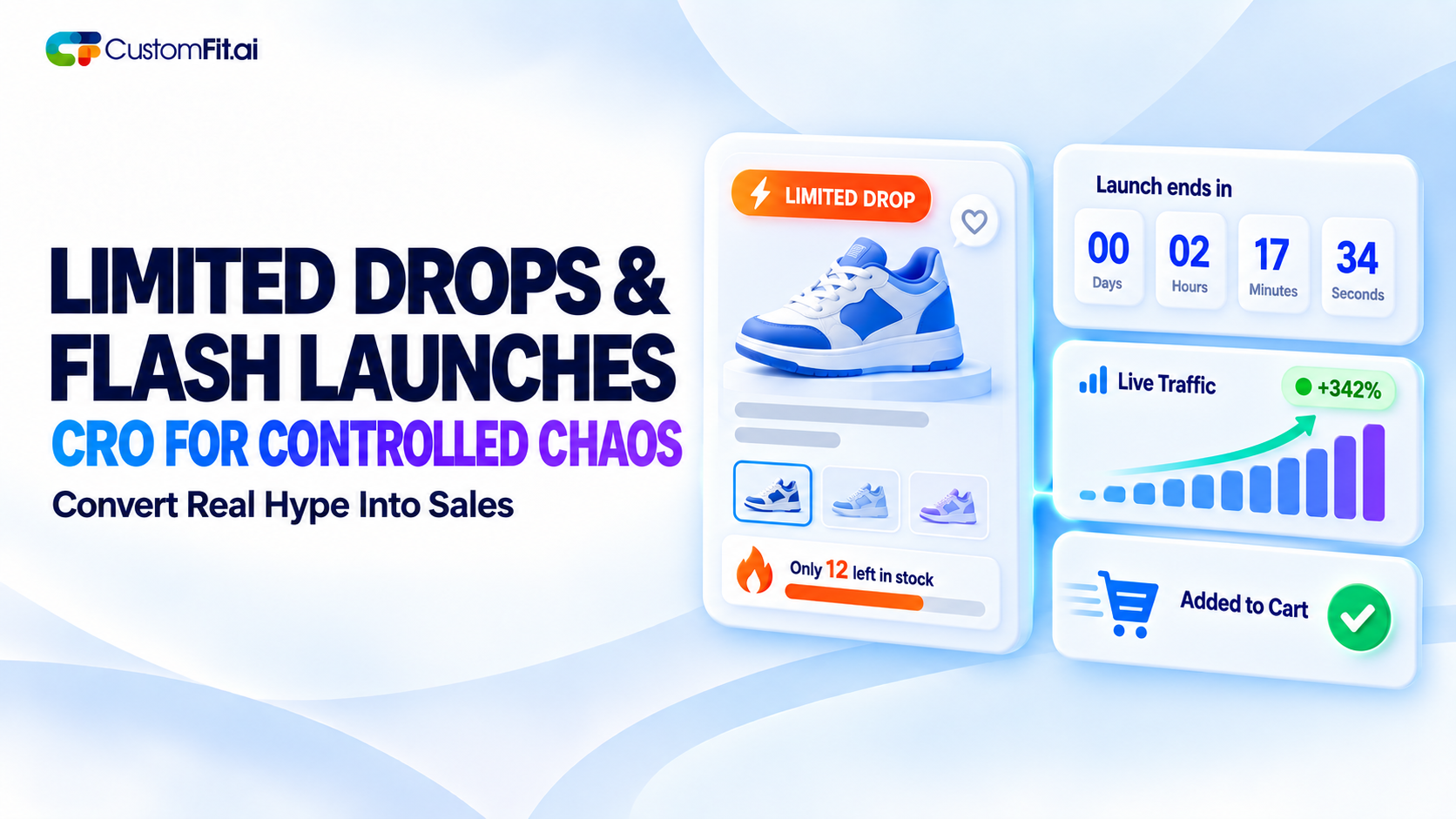
croLimited drop CRO strategies for flash launches — how to design a drop page that converts real hype into sales without the site (or shoppers) melting down.
 cro
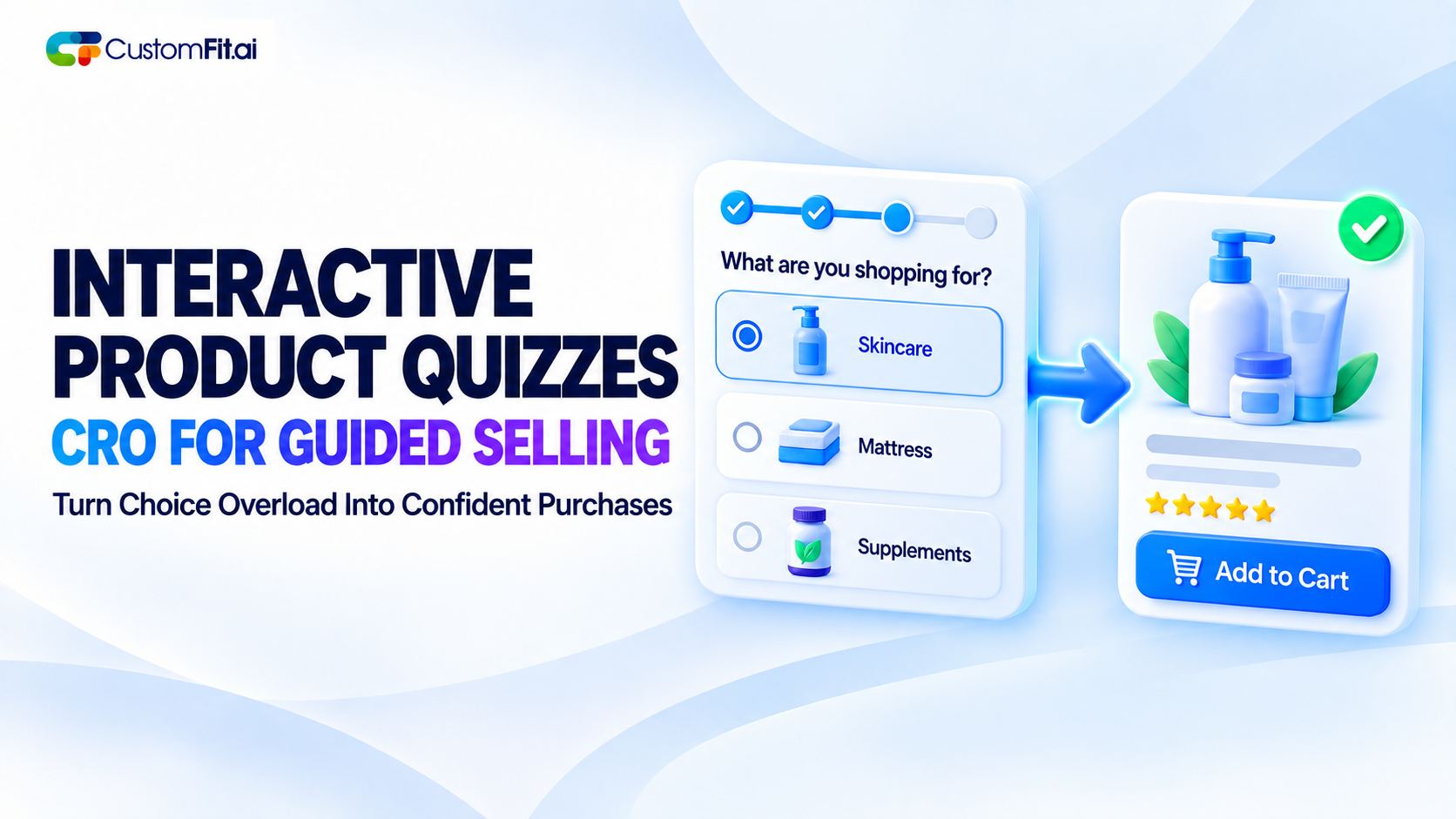
croProduct quiz CRO for ecommerce — how to design a guided selling quiz that actually increases conversion instead of just adding a fun distraction.
 cro
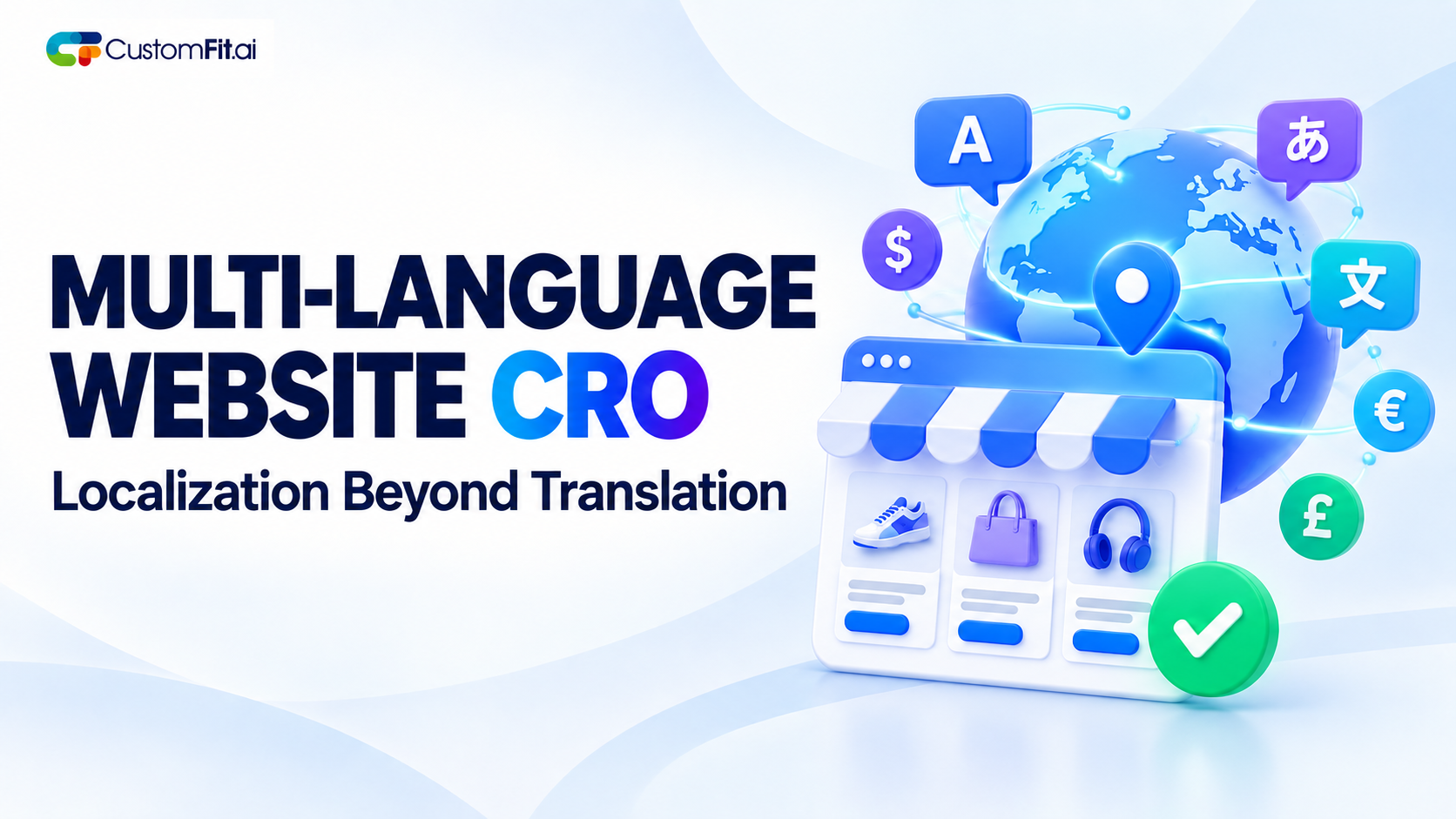
croMulti language website CRO goes beyond translated text - currency, trust signals, and local buying habits. A practical guide to real ecommerce localization.
Run rigorous A/B tests and personalize every visit on Shopify or any storefront — no engineers required.
Most ecommerce teams treat the About page as a formality — something the site needs to have, written once during launch and rarely touched again. That's a missed opportunity. For a meaningful share of shoppers, especially first-time visitors deciding whether to trust an unfamiliar brand, the About page is one of the most-visited pages on the entire site, and it's doing real persuasive work whether or not anyone's optimizing it.
About page CRO treats that page as an actual part of the conversion funnel — not a static brand formality sitting off to the side of it.
A shopper who clicks through to your About page has already shown real interest — they're past the initial browsing stage and are now specifically asking, "Can I trust this brand?" That's a high-intent, high-stakes moment. A vague, generic About page ("we're passionate about quality and customer service") answers nothing and can actively cost you the sale you were close to earning. A specific, genuine one can be the exact thing that tips a hesitant shopper into buying.
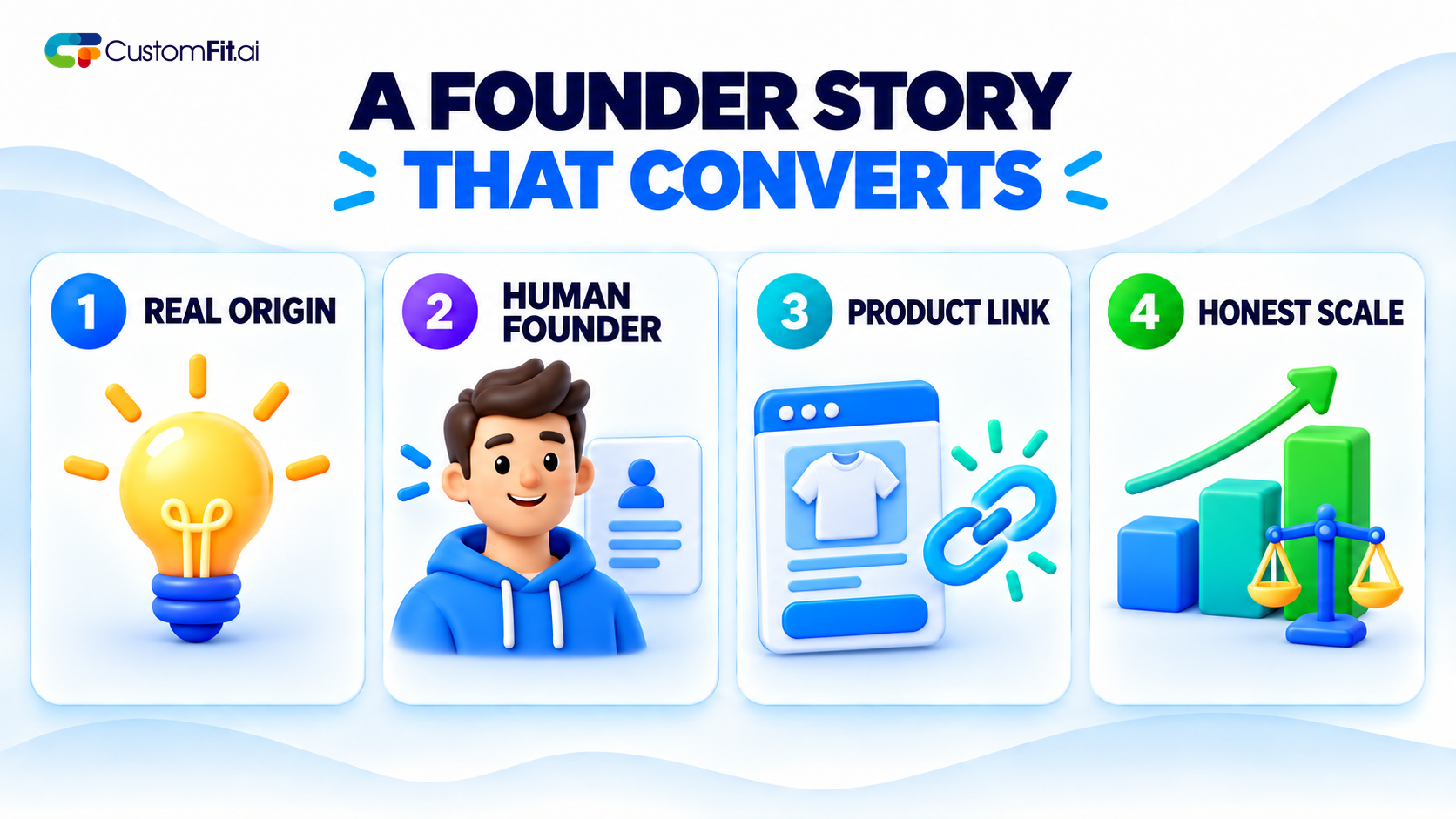
Be specific about the actual origin, not a generic narrative. "We started this company because we couldn't find a product that solved our own problem" is a story a thousand brands tell in nearly identical words. A genuinely specific detail — the actual problem, the actual moment, a real frustration — reads as authentic in a way a templated founder story never does.
Show the founder as a real person, not a brand mascot. A real photo, a specific name, and a genuine voice in the writing do more for trust than a polished, corporate-sounding paragraph with no personal specificity attached to it.
Connect the story directly to the product, not just the brand. A compelling personal story that never actually explains why it led to this specific product, made this specific way, leaves the persuasive work half-finished. The connection between the founder's motivation and the product a shopper is considering needs to be explicit, not implied.
Keep it honest about scale and stage. A founder story that implies "small, scrappy startup" while the brand is actually a large, well-funded operation can backfire badly if a shopper senses the mismatch. Authenticity matters more than a particular narrative archetype — tell the true version of your story, whatever stage that actually is.
Incorporate actual trust signals other than storytelling. Facts, such as certifications, mentions in the press, manufacturing information, or sourcing specifics belong on this page alongside the story. Customers can place confidence in evidence, not only in an appealing narrative.
Answer the question "Why should I trust you?" directly, especially for younger brands. Although an emerging brand may not have many years of experience, it can still build credibility through specific information: who is behind the brand, where the products are manufactured, and which quality standards guide the business.
Make sure the page is easy to find and not hidden in the footer. If your data shows meaningful organic or assisted traffic on this page, relocate it to a more visible spot in navigation. A page that contributes to real results deserves an intentional place in the customer journey.
State the next step clearly instead of creating a dead end. An About page that tells a great story and then offers no path forward — no link back to shopping and no clear call to action — wastes the trust it just built. End the page with a natural bridge back into the shopping experience.

Test story length against a punchier, shorter version. Some brands' stories genuinely benefit from depth; others convert better with a tighter, more scannable version. This is worth testing rather than assuming either format is automatically right for your brand and audience.
Compare video storytelling with text-only storytelling. A short founder video can express authenticity and personality more effectively than text sometimes does, especially for businesses where the founder's credibility is crucial to trust-building.
Test the on-page placement of testimonials. When the founder story is combined with actual consumer validation, it can reinforce the audience's trust in both forms of information at once.
The biggest risk in optimizing this page is over-polishing it into something that no longer feels real. A founder story workshopped by a marketing team until every rough, human edge is smoothed away often converts worse than a slightly imperfect but genuinely honest version. Shoppers are good at detecting manufactured authenticity, and the backlash from a story that feels performative can cost more trust than a plain, unpolished page would have.
The most common mistake is writing — or not writing — a generic About page once and never revisiting it, despite it often being one of the highest-intent pages a first-time visitor reaches.
The second is over-engineering authenticity: polishing a founder's story until it reads like every other brand's version of the same narrative, which undermines the exact thing that was supposed to make it persuasive.
About page CRO isn't about writing better marketing copy. It's about recognizing that this page reaches shoppers at a genuinely high-intent, trust-deciding moment and treating it with the same deliberate attention you'd give a product page or checkout flow.
A specific, honest founder story connected clearly to your product, paired with real trust signals, turns a page most brands ignore into one of the more quietly effective parts of the entire funnel.