From the conversion glossary
Concepts referenced in this article, defined.
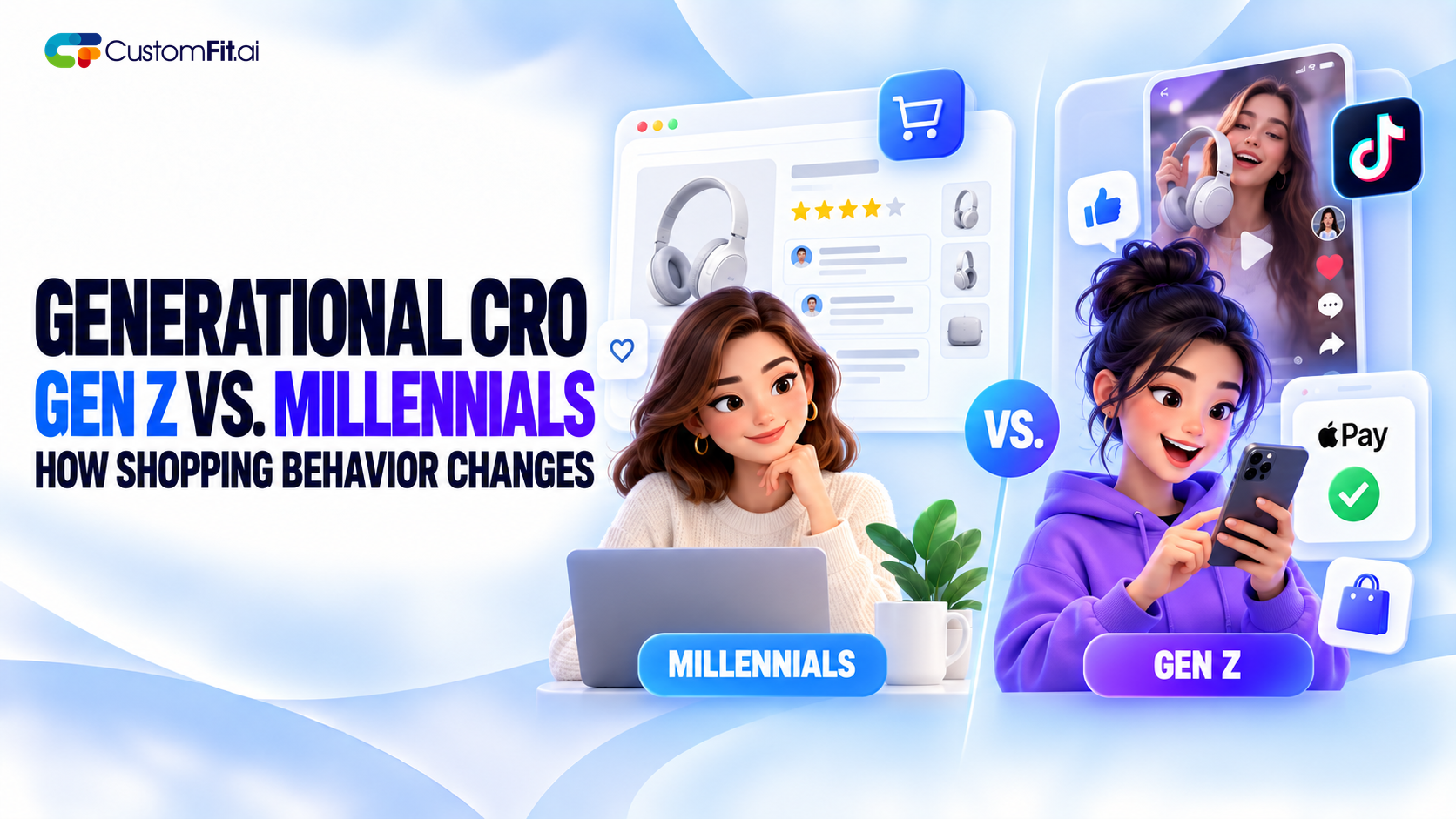
Gen Z shopping behavior CRO — the real differences in how Gen Z and Millennial shoppers browse, decide, and check out, and what to actually test.
 Yuvraj Singh6 min read
Concepts referenced in this article, defined.
 cro
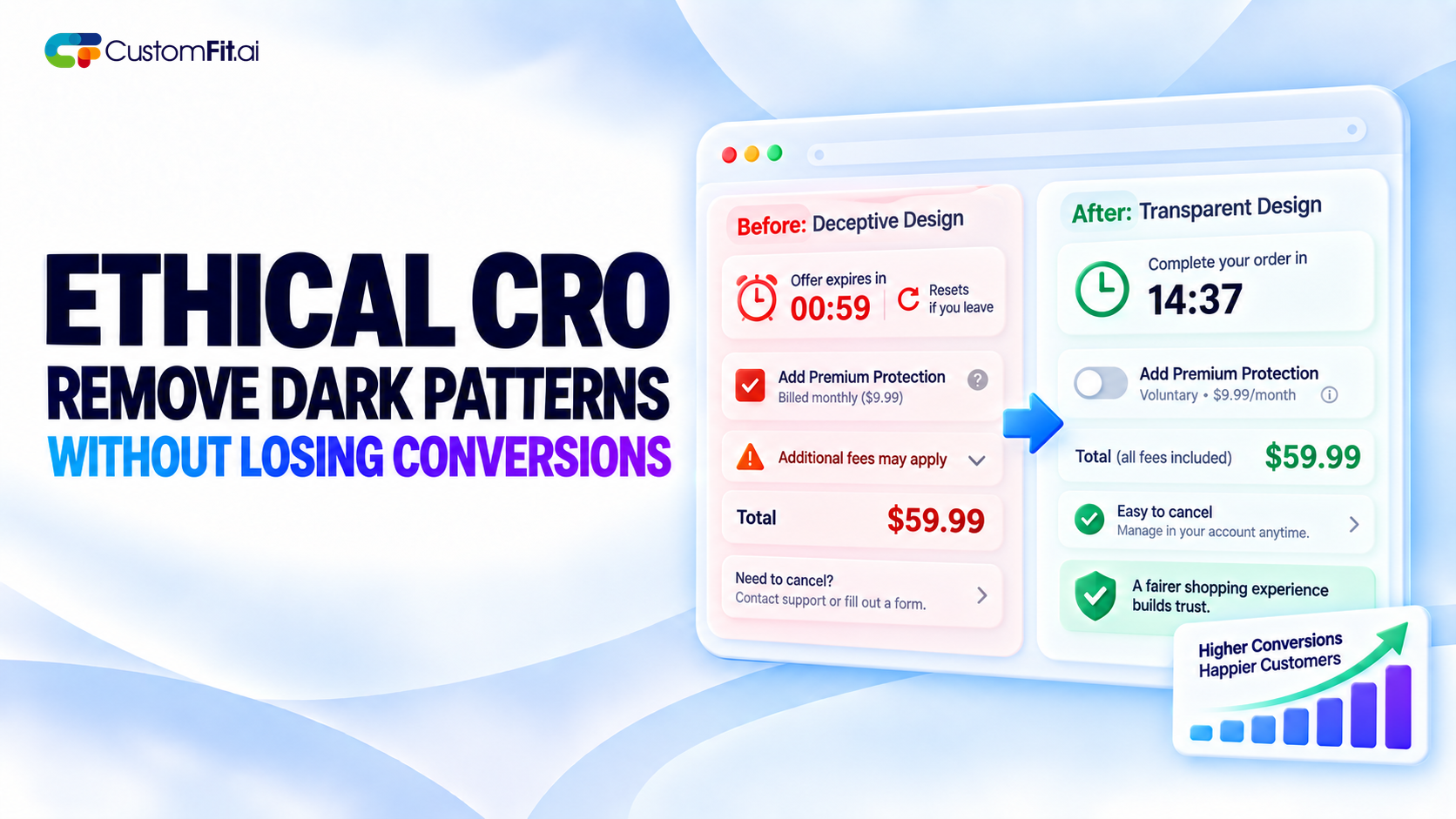
croEthical CRO dark patterns guide — how to remove manipulative checkout tactics from your store without sacrificing the conversion rate they were propping up.
 cro
croAbout page CRO strategies — how to turn your founder story and brand narrative into a genuine conversion driver, not just a page nobody visits.
 cro
croLimited drop CRO strategies for flash launches — how to design a drop page that converts real hype into sales without the site (or shoppers) melting down.
Run rigorous A/B tests and personalize every visit on Shopify or any storefront — no engineers required.
A lot of "Gen Z shops differently" content is really just a list of surface-level trends — they like TikTok, they care about sustainability, and they prefer certain payment apps. Some of that is true, but treating it as the whole story misses the more useful, testable differences underneath: how each generation actually evaluates trust, processes a product page, and moves through checkout.
Gen Z shopping behavior CRO is more useful when it is grounded in those functional differences, not just demographic trend-spotting.
Trust is built differently. Millennials, who came of age alongside the early growth of ecommerce and brand-controlled marketing, still respond meaningfully to traditional trust signals — professional photography, clear brand messaging, and established review platforms. Gen Z, who grew up native to social platforms and influencer culture, tends to place more weight on peer and creator validation. They are often more skeptical of polished, obviously brand-controlled content because it can read as less authentic.
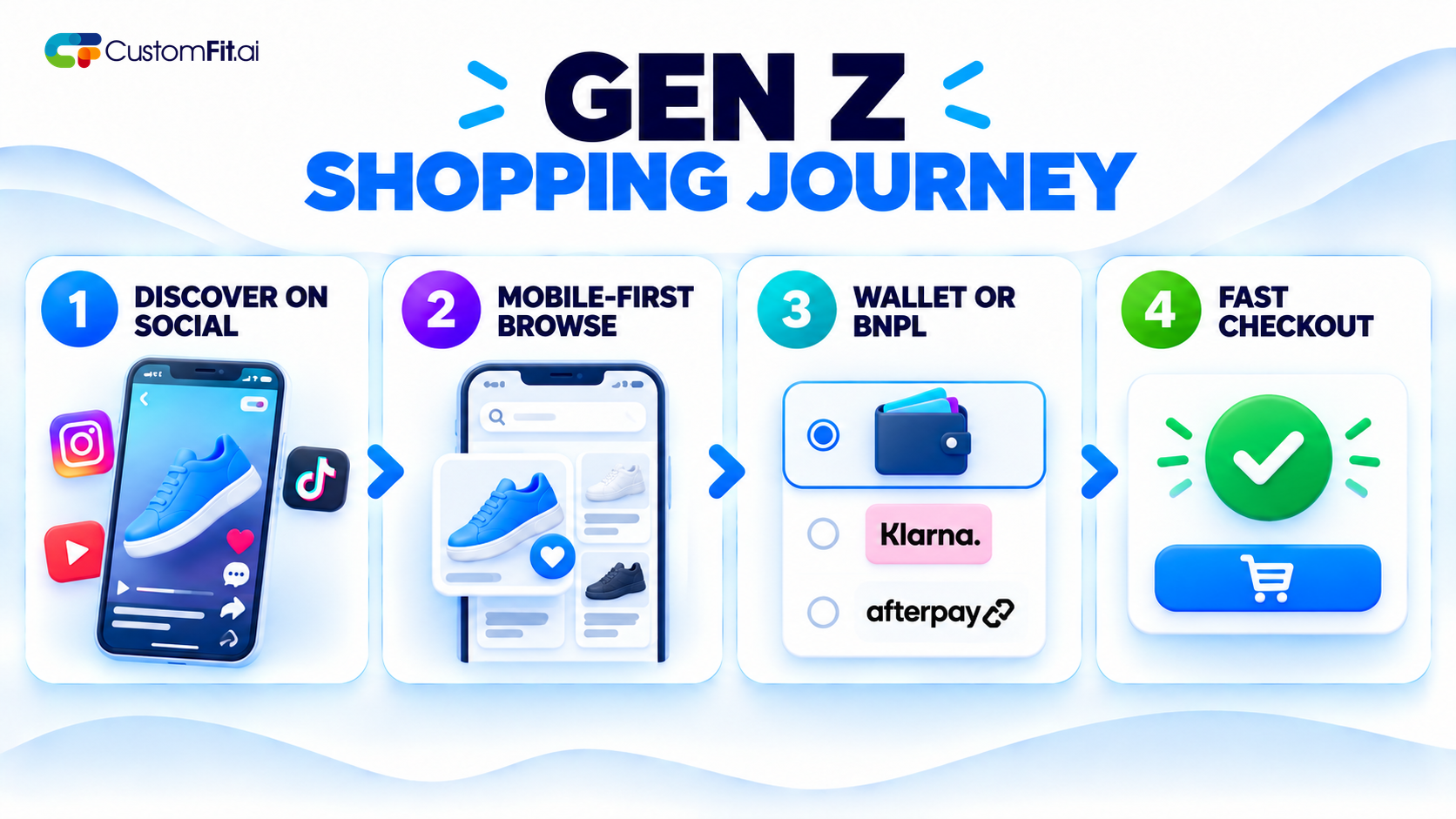
Research happens across more surfaces. Millennial shoppers more often research within a familiar path — search, compare a few sites, and read reviews on the retailer's own page. Generational ecommerce differences show up clearly here: Gen Z shoppers are more likely to research across social platforms such as TikTok and Instagram alongside, or even instead of, traditional search. They check what real people are saying in comments and videos before ever visiting your site directly.
Payment and checkout preferences diverge. Younger shoppers show meaningfully higher comfort with buy-now-pay-later options and digital wallets, and lower tolerance for a checkout flow that feels slow or overly form-heavy. Gen Z checkout preferences skew toward speed and minimal friction even more strongly than the general population already does.
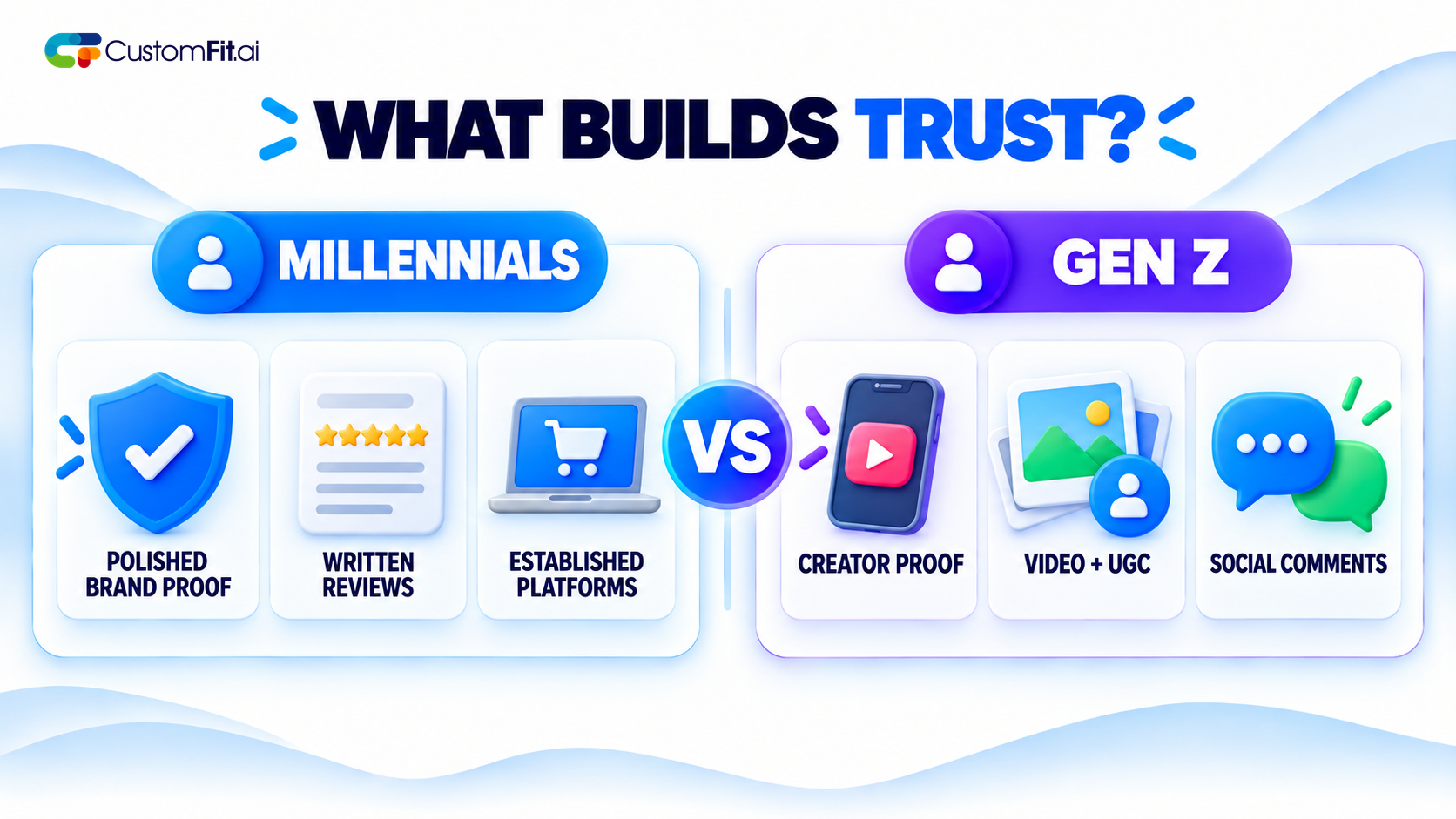
Test social-proof format, not just presence. Millennial audiences tend to engage favorably with traditional rating systems and written reviews. Gen Z audiences often respond better to video reviews, user-generated content (UGC), and real-time interactions from legitimate creators. Testing these formats with your actual audience is more useful than relying on assumptions.
Test payment-method visibility and sequencing. If your analytics show that a meaningful share of younger consumers visit your website, placing BNPL options and digital wallets above credit-card entry may reduce abandonment. The goal is to test the visibility and sequencing of payment methods, not assume one universal order works for everyone.
Test your brand's tone of voice. Language that feels natural and authentic to one audience may come across as corporate or forced to another. Keep the brand recognizable, but test how its tone performs at high-intent entry points.
Analyze traffic sources and destinations. Determine whether a significant portion of traffic from social platforms is likely to be Gen Z traffic. Test a landing experience that matches the social content that generated interest against a conventional product page that does not preserve the campaign's context or intent.
You should focus on the mobile shopping experience even more than before. Mobile commerce matters broadly, but younger shoppers are especially likely to behave in a mobile-first or mobile-only way. Fast browsing and a simplified checkout are critical for this audience.
Reduce the perceived distance between social-media discovery and shopping. Potential customers who encounter your brand through a social advertisement expect a fast route from interest to purchase.
Be genuinely transparent about sourcing, sustainability, and values claims. Younger shoppers are frequently described as values-driven, but the more useful CRO point is that they are also more likely to research and challenge claims that do not hold up. Vague or exaggerated sustainability messaging can backfire.
Do not assume every younger visitor wants the same experience. Generational patterns are trends, not universal rules. Testing on your own traffic and audience segments will always outperform applying a generic "Gen Z playbook" wholesale.
It is worth being cautious about over-indexing on generational labels as a substitute for real segmentation. Age is a rough proxy for a cluster of behaviors — platform habits, trust patterns, and payment preferences — but plenty of individual variation exists within every generation. Some patterns also shift over time as platforms and payment options evolve.
The generational framing is most useful as a hypothesis-generating tool for what to test, not as a conclusion to design around without verifying it against your own data.
The most common mistake is applying generational stereotypes uncritically — assuming all Gen Z visitors want short-form, meme-heavy content regardless of your product category or actual audience behavior.
The second is under-testing payment and checkout preferences by generation. This is often one of the more concrete, measurable, and actionable differences available compared with softer assumptions about tone or values.
Gen Z shopping behavior CRO is most useful when it moves beyond broad stereotypes into specific, testable differences — how trust is built, where research happens, and what checkout friction actually costs conversion for each segment.
The generational lens is a starting hypothesis worth testing against your own traffic, not a finished playbook to implement blindly.